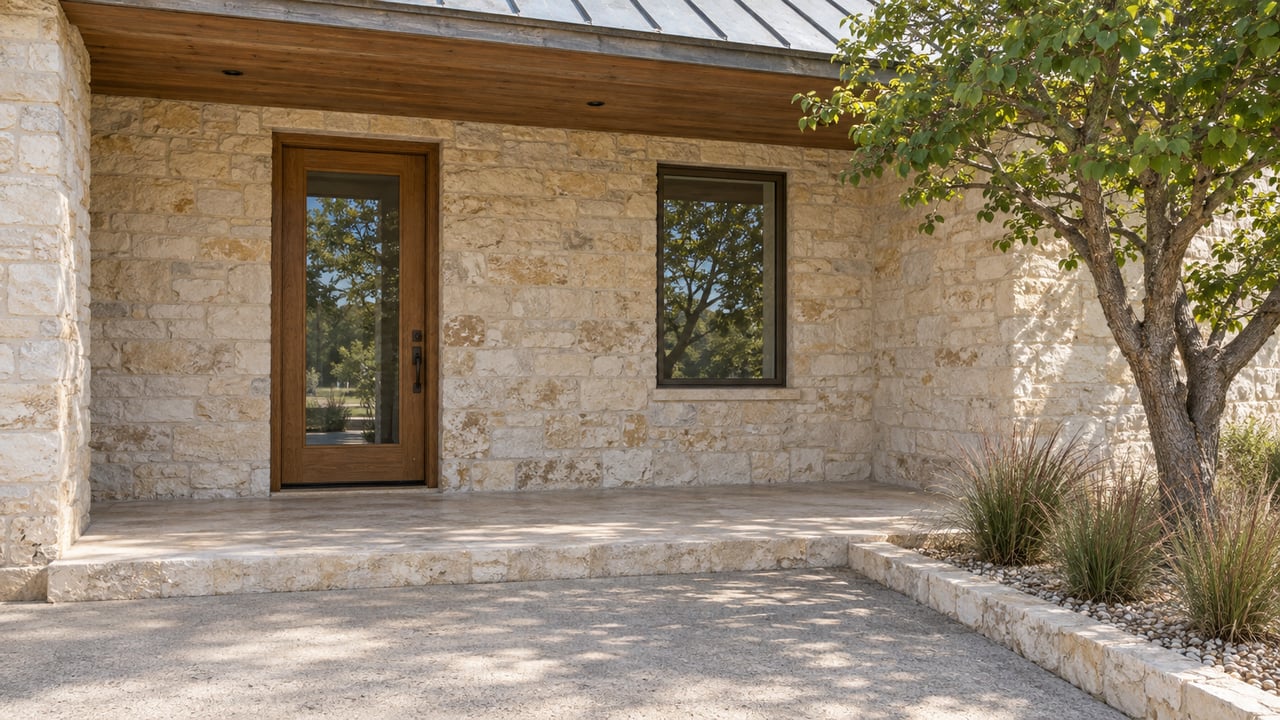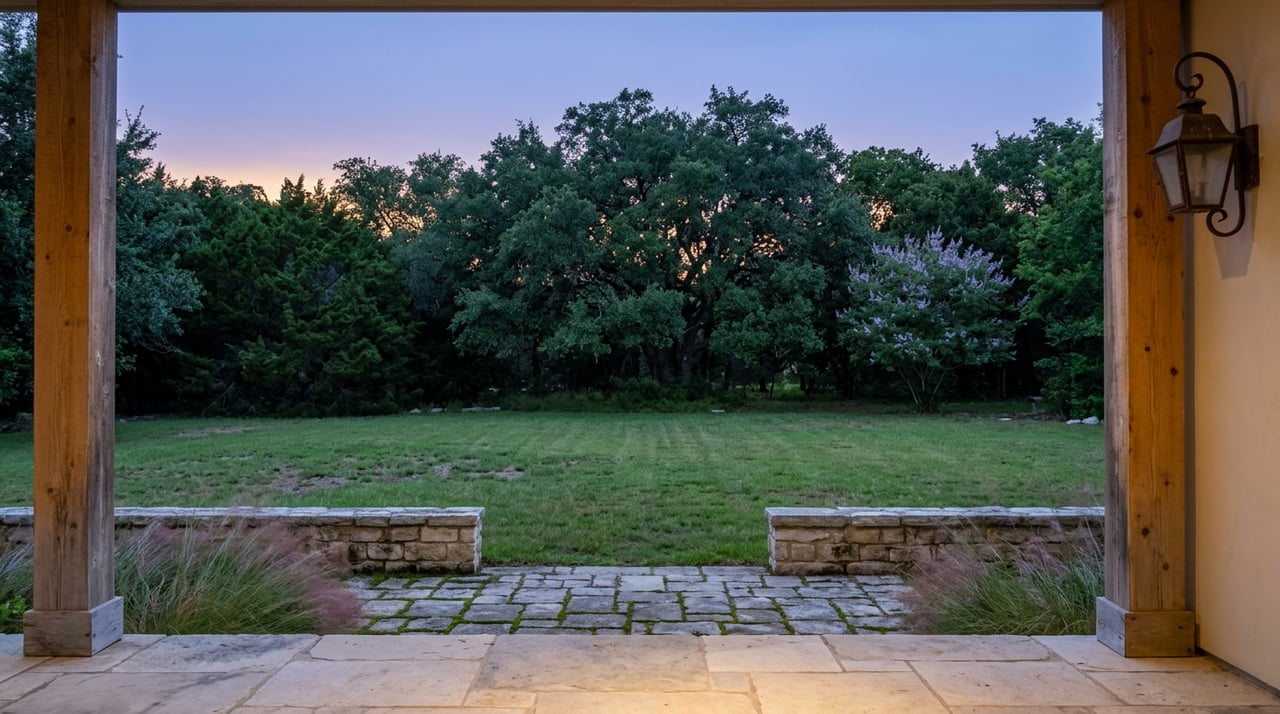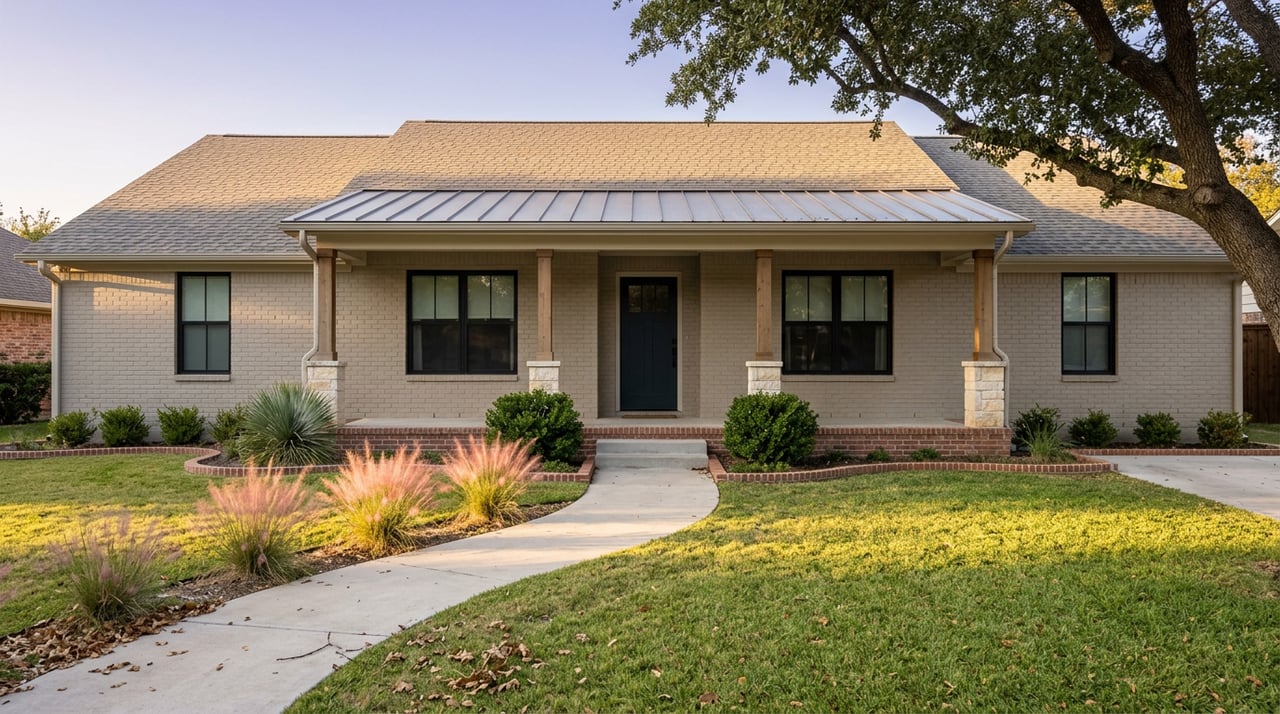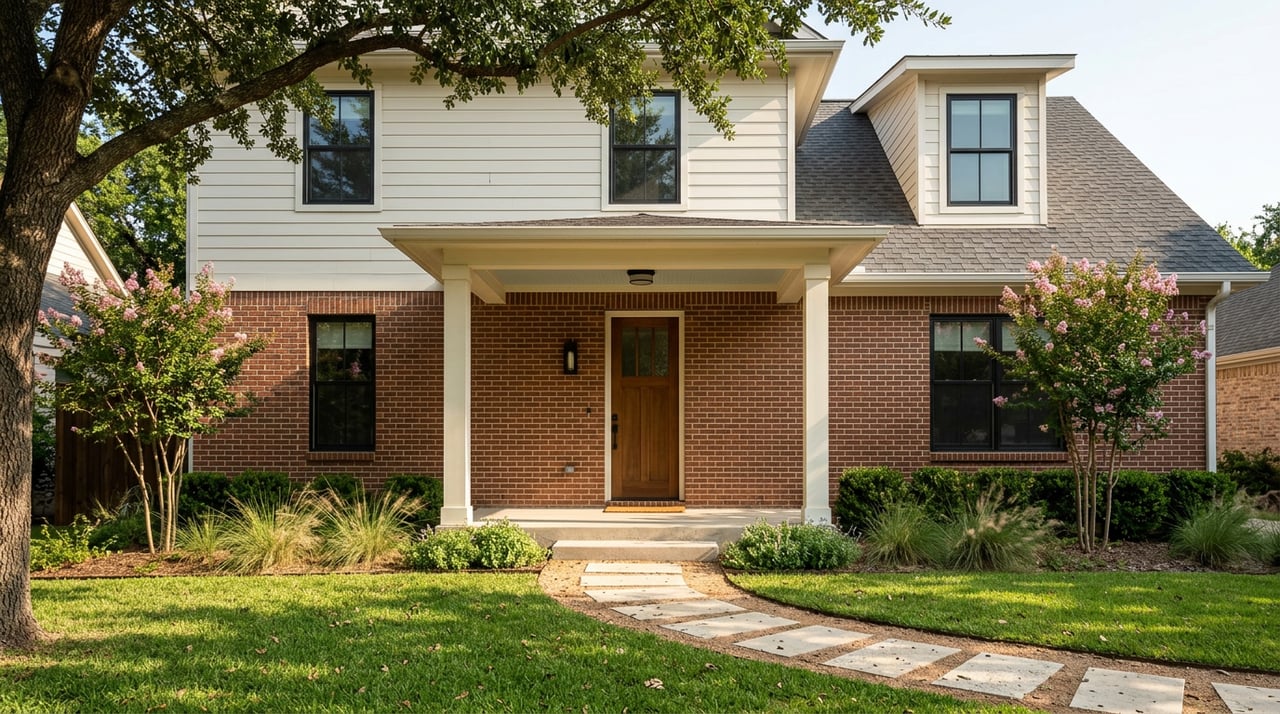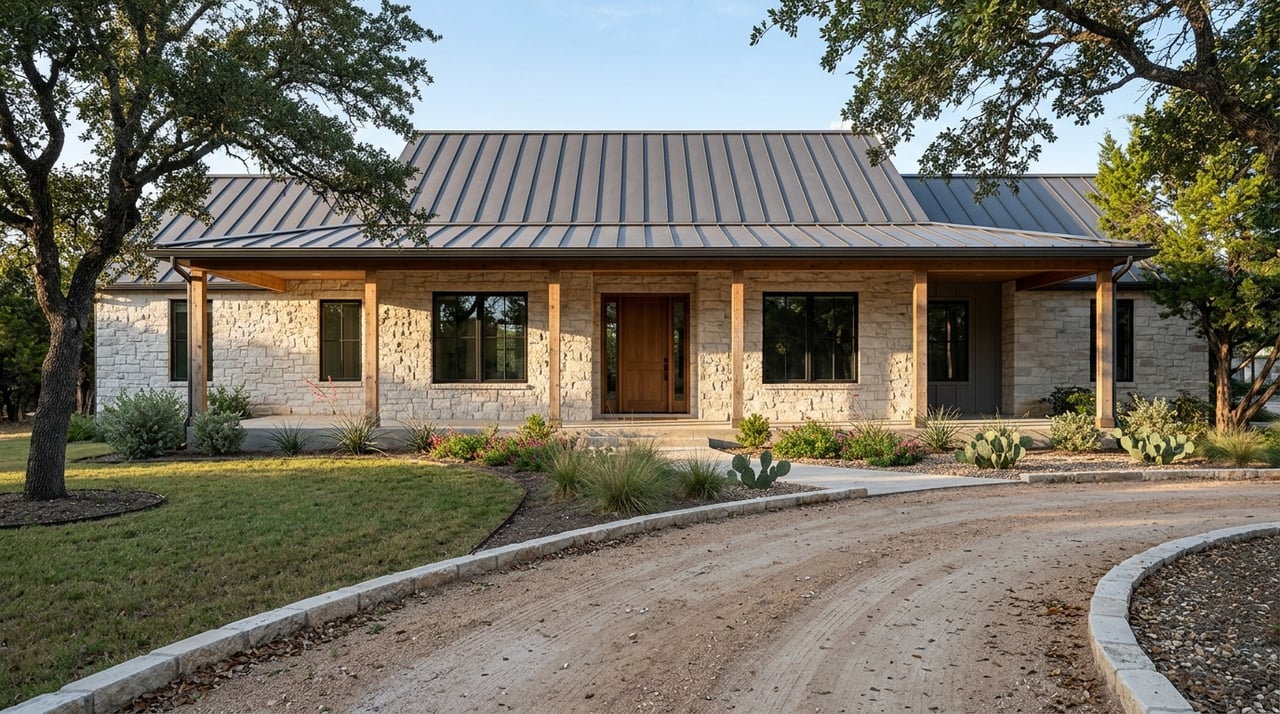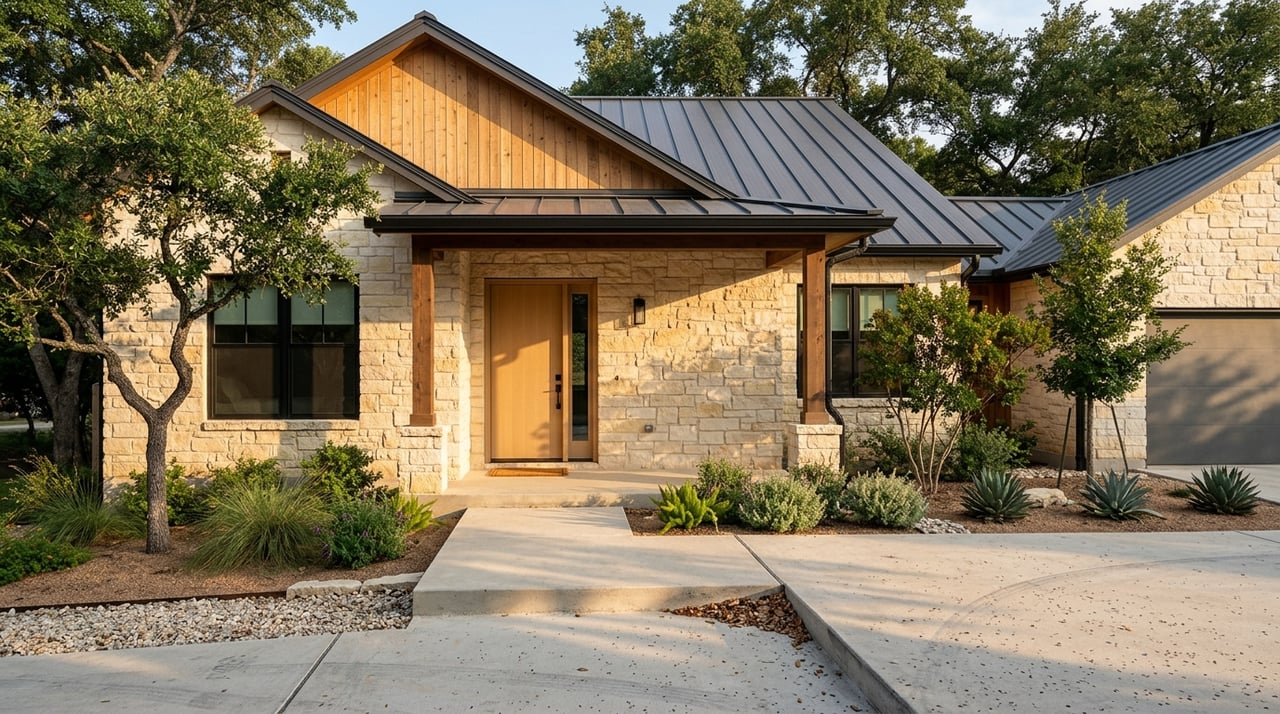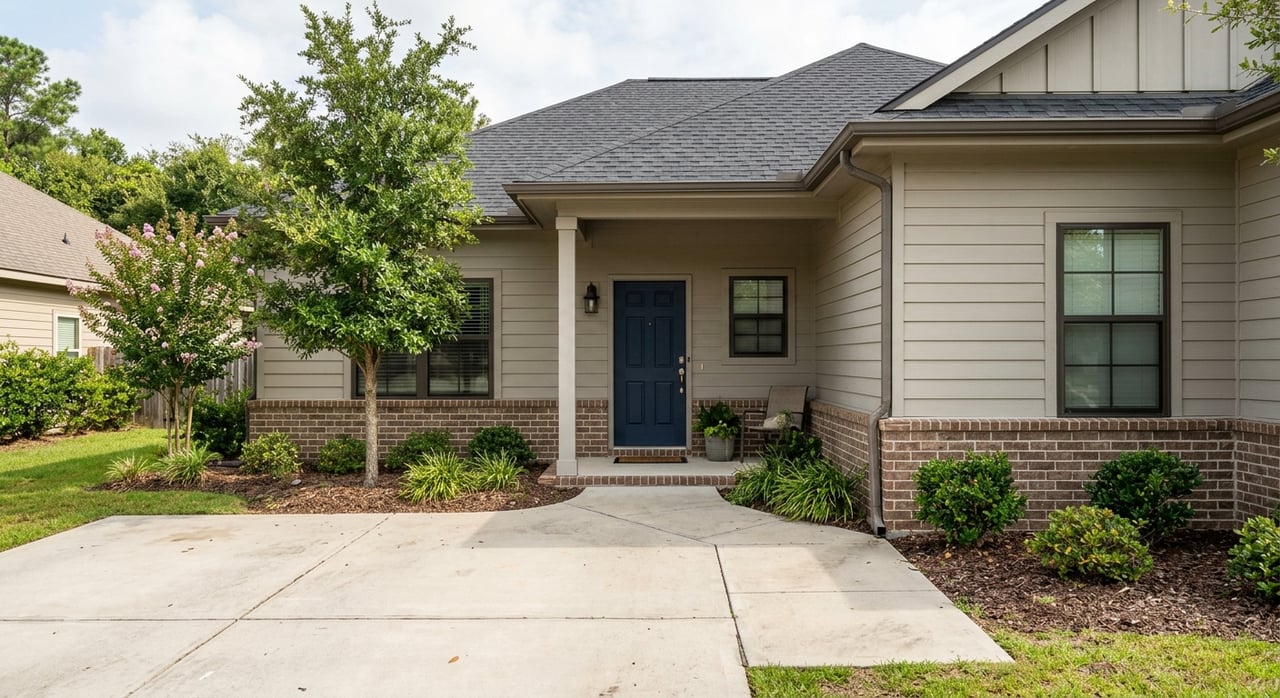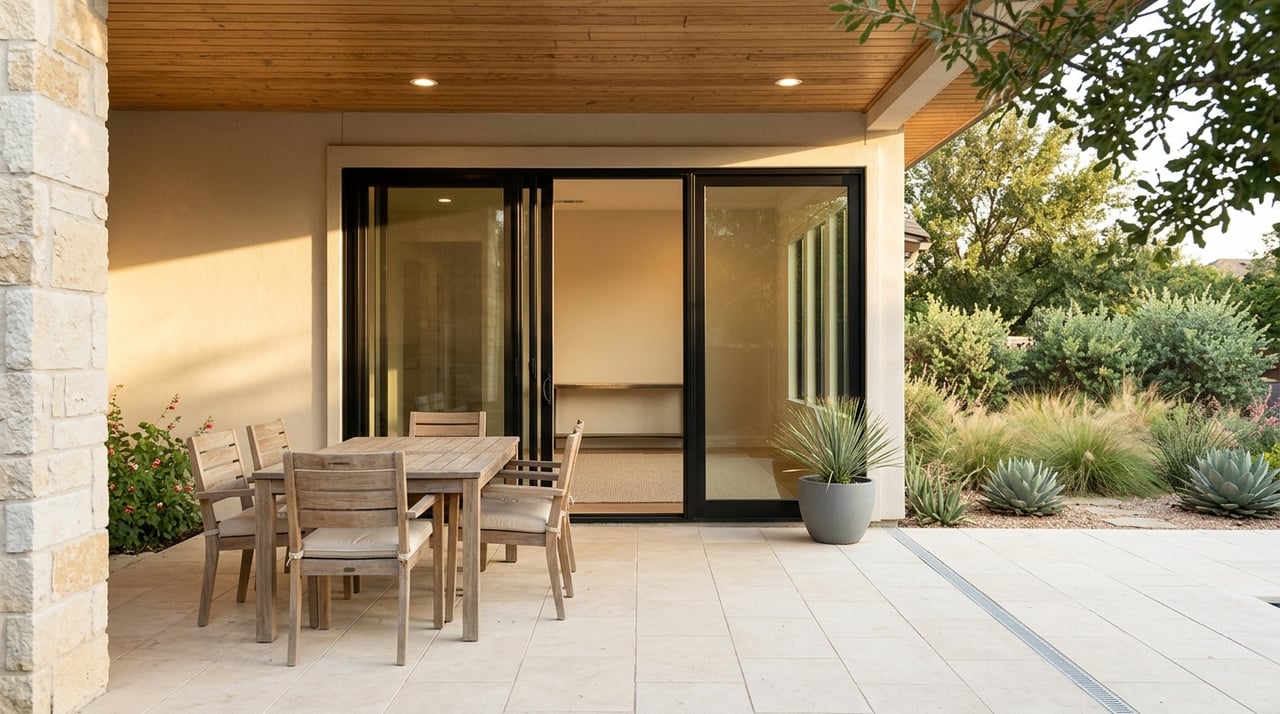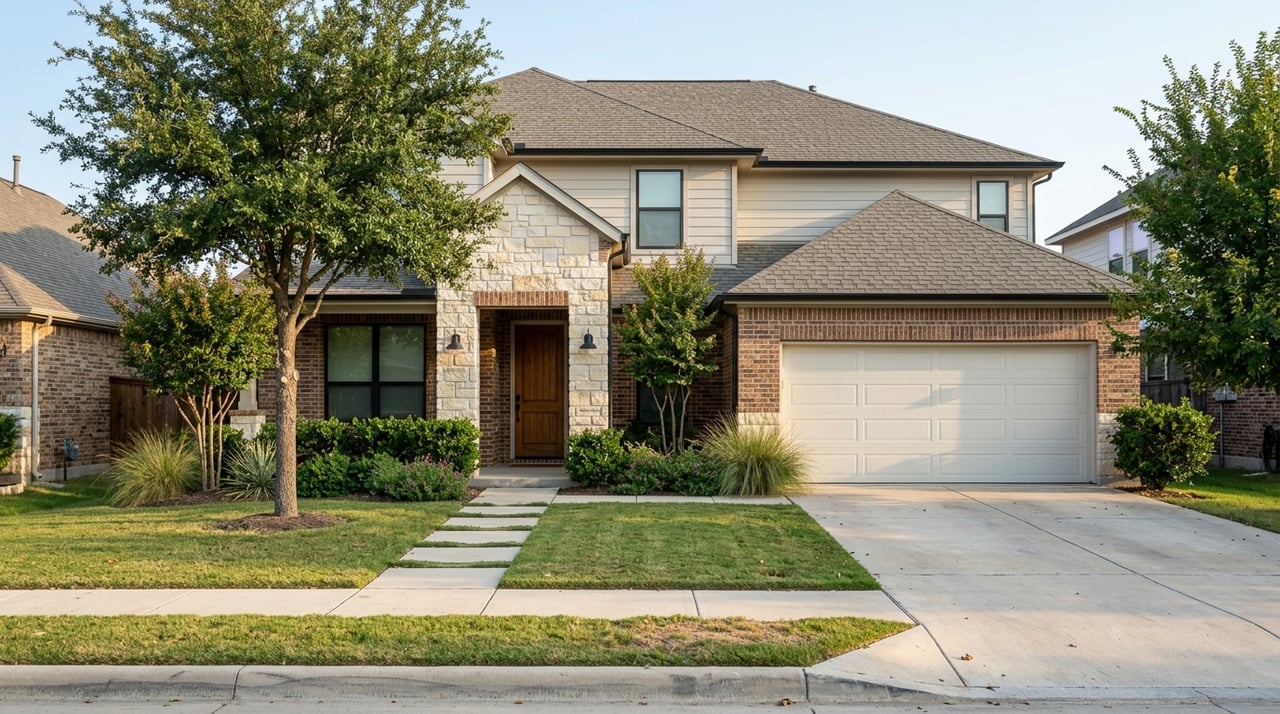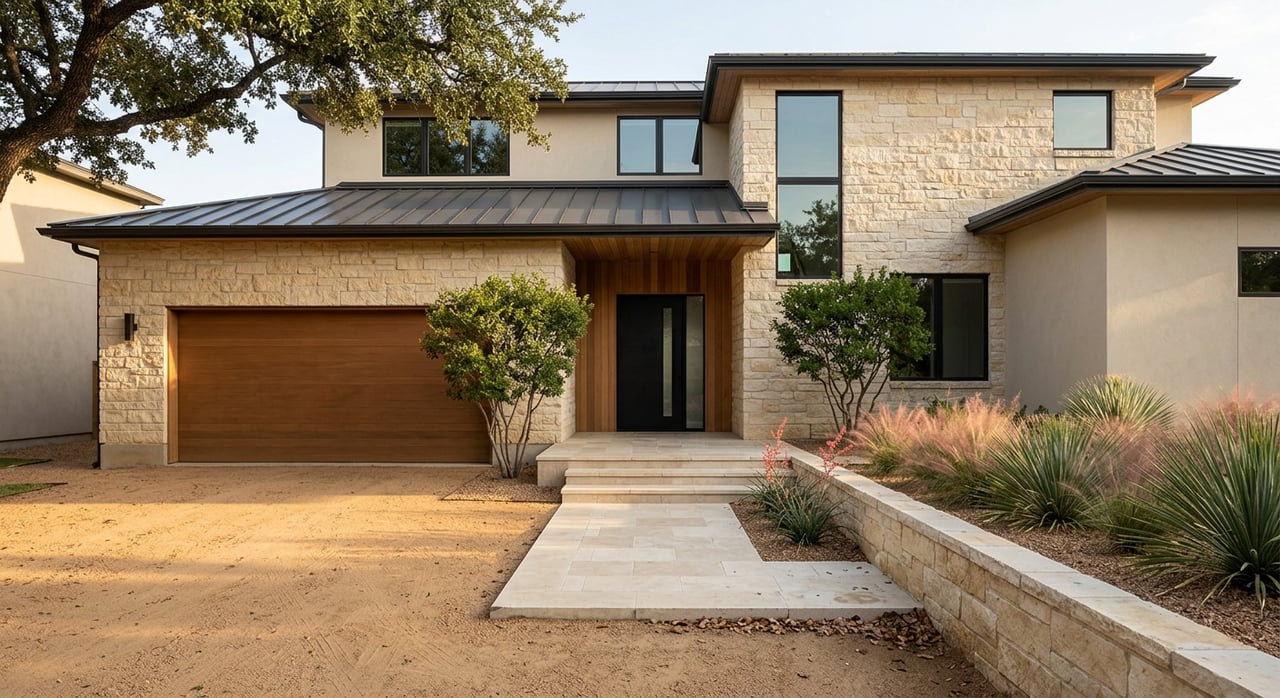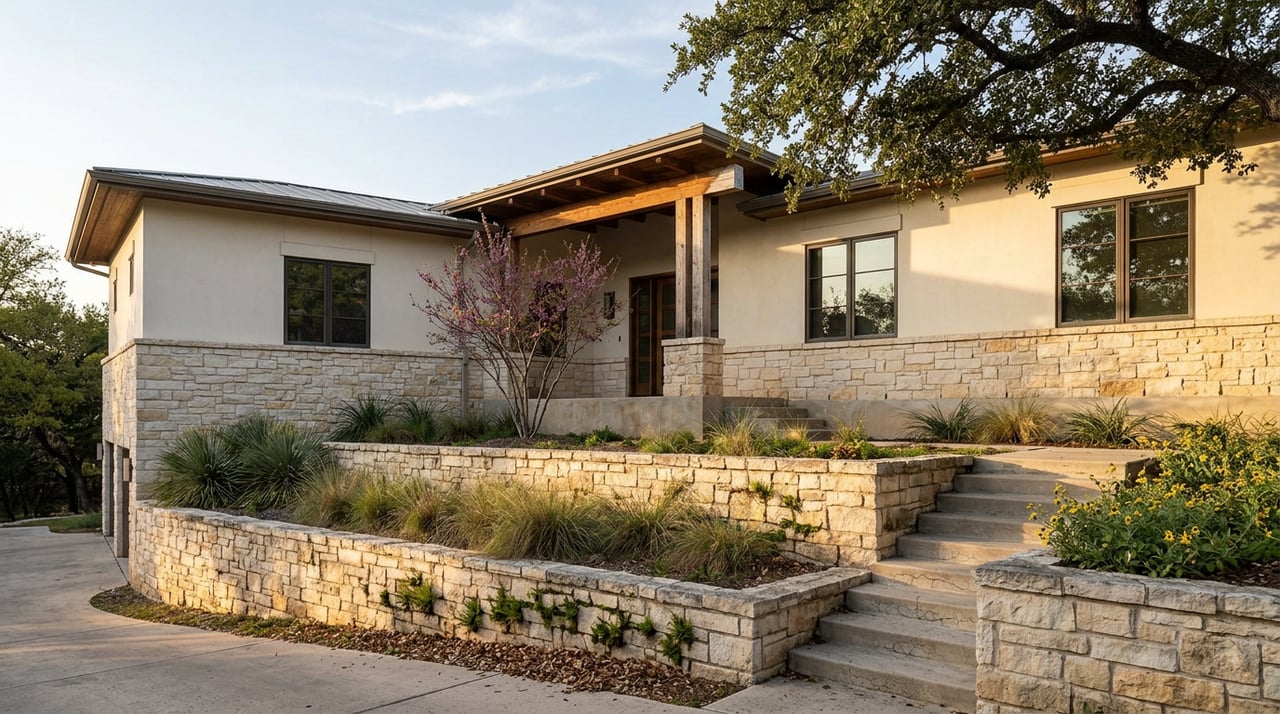
Picture a Saturday of open houses in NW Austin. Morning stop: a three-bedroom ranch in Anderson Mill, built sometime in the late 1970s, mature oaks shading the driveway. Afternoon stop: a two-story custom home in Jester Estates, perched on a cul-de-sac with a view down toward the Balcones Canyonlands. At both houses, the buyer asks the same question: any foundation issues? At both houses, the agent gives some version of the same reassuring answer. And at both houses, that answer is measuring the wrong thing, because the two homes don't share a foundation risk. They share a zip code.
This is the detail that gets flattened every time someone writes a general "Austin foundation problems" guide. Expansive clay soil is real and it does move. But NW Austin isn't one soil condition wearing one house style. It's two distinct construction eras sitting on two distinct terrains, and the inspection question that protects a buyer in one pocket is close to useless in the other.
Same Question, Two Different Neighborhoods
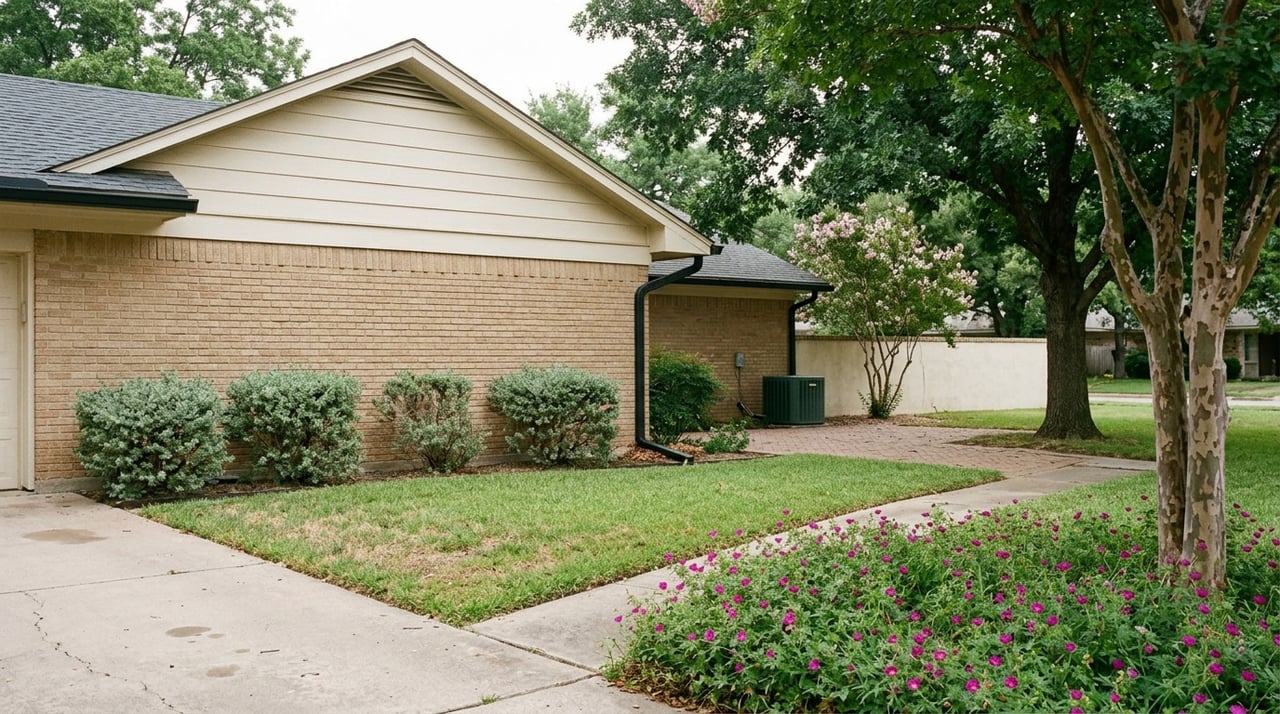
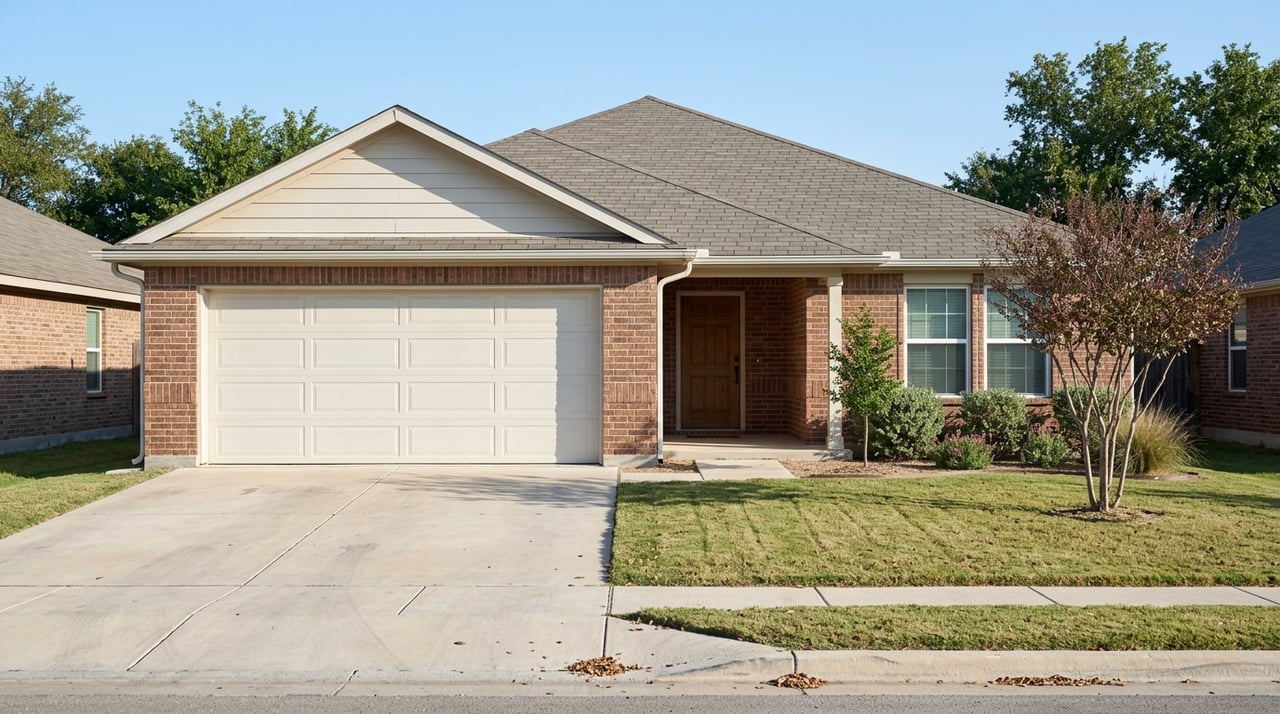
The flatland suburbs, Anderson Mill and Anderson Mill Estates, were built mostly through the 1970s and into the 1990s on graded, level lots. Anderson Mill homes typically run 1,300 to 2,500 square feet on lots built between 1975 and 1985. Anderson Mill Estates, just east of Anderson Mill Road, spread onto larger acreage lots developed from the mid-1970s into the mid-1990s. These are slab-on-grade houses on flat ground. The thing to worry about is what's happening directly under the slab.
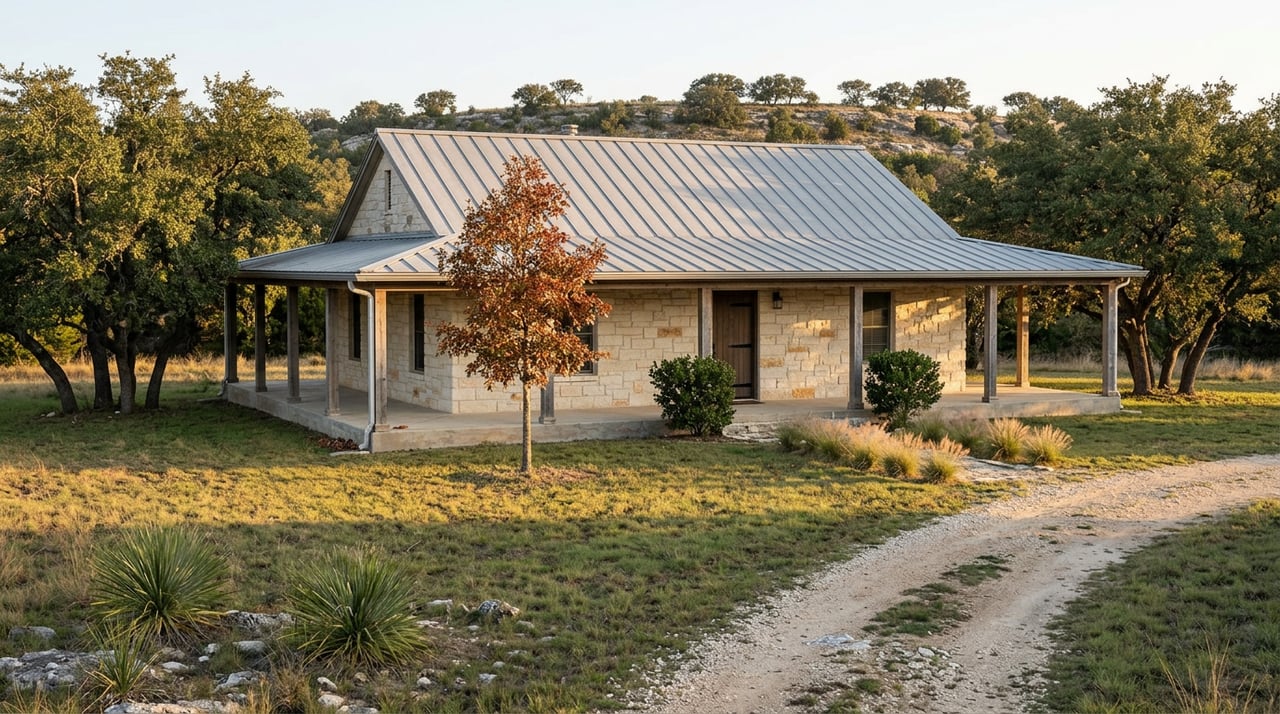
The hillside communities, Jester Estates, River Place, and Long Canyon, sit on a completely different kind of lot. Jester Estates was developed starting in 1982, on a hilltop ridge bordered on three sides by the Balcones Canyonlands Preserve, land that was set aside as habitat for the Golden-Cheeked Warbler around the same time the bird was added to the federal endangered species list, in exchange for the right to develop what became Jester Estates, Canyon Ridge, and Jester Point. Most of its homes went up through the 1980s and 1990s. Roughly 900 homes now sit across that footprint. These lots weren't graded flat. They were cut and filled into a slope, which means the thing to worry about isn't the slab moving up and down uniformly. It's what's holding the dirt around it in place.
Here's the shorthand:
| Flatland Suburbs (Anderson Mill, Anderson Mill Estates) | Hillside Communities (Jester Estates, River Place, Long Canyon) | |
|---|---|---|
| Typical build era | 1970s-1980s | 1980s-1990s |
| Lot condition | Flat, graded | Sloped, cut-and-fill |
| Primary foundation risk | Clay shrink-swell cycling under a slab now 40-50 years old | Differential settlement between cut and fill zones, retaining wall failure |
| What ages alongside the foundation | Original driveway and patio concrete, cast-iron or original plumbing | Retaining walls, terraces, drainage grading |
| What an inspector should prioritize | Elevation survey, crack patterns, plumbing age | Drainage paths, retaining wall condition, engineering records for terraces |
What Forty-Plus Years Under a Slab Looks Like
The soil under Anderson Mill and its neighbors is part of what makes central and west Austin geologically complicated. Austin Clay, the type found under much of central and western Austin, swells 6 to 8 percent when saturated and sits over limestone bedrock at varying depths. That's a smaller swing than the Houston Black Clay found further east, but it's still enough movement to matter over four or five decades, especially given the wet-dry cycles Central Texas has run through in recent years.
Concrete work from this era compounds the issue. Original driveways and patios in neighborhoods built during the 1970s and 80s used wire mesh reinforcement, which controls surface cracking less effectively than the rebar used in modern construction, and control joints were often spaced farther apart than current practice recommends. None of that is a defect the original builders got wrong for the standards of the time. It's just a house hitting the age where original materials show it.
Mature trees add another layer. A live oak or cedar elm can pull 80 to 150 gallons of water from the soil in a single day, and when one of those trees sits within 15 to 30 feet of the house, it can dry the soil unevenly on that side of the foundation while the rest of the slab stays wetter. Anderson Mill and Anderson Mill Estates are both known for exactly this kind of mature tree canopy, which is part of what makes them appealing and part of what an inspector should be looking at specifically on the tree-facing side of the house.
The number that actually matters here isn't a national average. It's what a real pier project runs in 2026: piers installed at roughly $1,000 to $2,000 each, with a typical Austin home needing 8 to 15 of them, putting a full perimeter repair in the $8,000 to $30,000 range depending on severity and access. That's the number to have in mind before an inspection, not after one, because it changes what a buyer is willing to negotiate over a cracked driveway versus a stair-step crack in brick.
What Changes When the Lot Tilts
None of that clay-cycling logic disappears in Jester Estates or River Place, but it stops being the main story. On a cut-and-fill lot, part of the foundation can sit on undisturbed rock while another part sits on compacted fill that settles at a different rate, which is a structural risk that has nothing to do with seasonal drought and everything to do with how the site was graded before the house went up. Retaining walls carry real engineering weight on these lots, and an older or unengineered wall can become a safety and drainage concern if it hasn't been maintained.
Drainage works differently on a slope too. Done right, a hillside moves water away from the foundation efficiently. Done wrong, or simply neglected over 30 to 40 years, it concentrates water against one section of the house during a storm instead of spreading it evenly. That's why a due diligence checklist for a hillside NW Austin home looks different from a flatland one: a recent survey to confirm lot lines and any retaining wall easements, permits and engineering records for terraces and retaining structures, and for steep lots, a geotechnical report and engineered foundation plan as part of the offer contingency, not an afterthought.
There's also a practical number worth knowing before falling for a listing photo: deeded lot size on a hillside property can be misleading. The usable flat yard is often created entirely through terracing, so a half-acre lot with a generous number on paper might have a small fraction of that as actual usable ground. Worth confirming before assuming a big backyard comes with the address.
What a Seller Is Legally Required to Tell You
This is where the two halves of NW Austin come back together, because Texas law treats foundation history the same way no matter which side of the ridge the house sits on. Texas Property Code Section 5.008 requires the seller of a previously occupied single-family home to deliver a written disclosure notice before the buyer signs a binding contract, and that notice specifically asks whether the seller is aware of previous foundation repairs. Marking "no" when the seller actually knows about prior work isn't a paperwork technicality. Courts have held that sellers have an ongoing duty to update that disclosure if new information comes to light before it's delivered, a principle that traces back to a 2014 Eastland Court of Appeals case, Domel v. Birdwell, involving undisclosed storm damage.
The financial exposure for getting this wrong is real. Texas real estate attorneys point to scenarios like this one to illustrate the risk: a seller who had $30,000 in foundation work done five years before listing marks "no" to previous foundation repairs, the buyer later finds the concrete pilings during a remodel, and a lawsuit follows. In that scenario, the judgment, covering a new engineering assessment, diminished property value, and attorney's fees, totals $62,000. Concealing a known repair under the Texas Deceptive Trade Practices Act can expose a seller to treble damages, three times the actual loss, on top of what the repair itself would have cost to disclose honestly.
For a buyer, the practical takeaway is to read the disclosure form as a checklist against the inspection report line by line, not as background reading. If the seller checked "no" on foundation repairs and the inspector photographs active cracking or an engineer's elevation survey shows recent leveling work, that mismatch is negotiating leverage during the option period, whether that means a price reduction, a seller-funded structural evaluation, or walking away from the contract entirely.
Before You Write the Offer
- In Anderson Mill or Anderson Mill Estates: ask for the age of the original concrete driveway and patio, note the distance from mature trees to the foundation line, and request an elevation survey if the home hasn't had one recently.
- In Jester Estates, River Place, or Long Canyon: ask for permits and engineering records on any retaining walls or terraces, confirm usable flat yard versus deeded lot size, and consider a geotechnical report as a contract contingency on steep lots.
- Anywhere in NW Austin: compare the seller's disclosure form against the inspection report line by line before the option period expires, and follow up in writing on anything marked "unknown."
FAQ
Does a documented foundation repair automatically kill a deal in NW Austin? No. A well-documented repair with a transferable warranty and an elevation survey can actually be reassuring, since it shows the movement was addressed and monitored rather than ignored.
Do I need a structural engineer, or is a standard home inspection enough? A standard inspection is a reasonable first step and will usually flag whether something looks off. If it does, or if the property sits on a steep Jester Estates or River Place lot, a licensed structural engineer's evaluation is the next step, separate from the general inspection.
How is the risk different if I'm buying new construction instead of a resale in these neighborhoods? New construction still requires a third-party engineer to certify the foundation during the build under Austin's building code, but Texas doesn't require developers to submit soil test results to the city, so requesting that documentation directly from the builder before closing is worth doing regardless of the neighborhood's age.
Whichever pocket of NW Austin you're looking at, the question that protects you is specific to the lot, not the zip code. Better Broker, Texas Realty can walk you through what to ask, and who to ask it to, before you're past the option period.