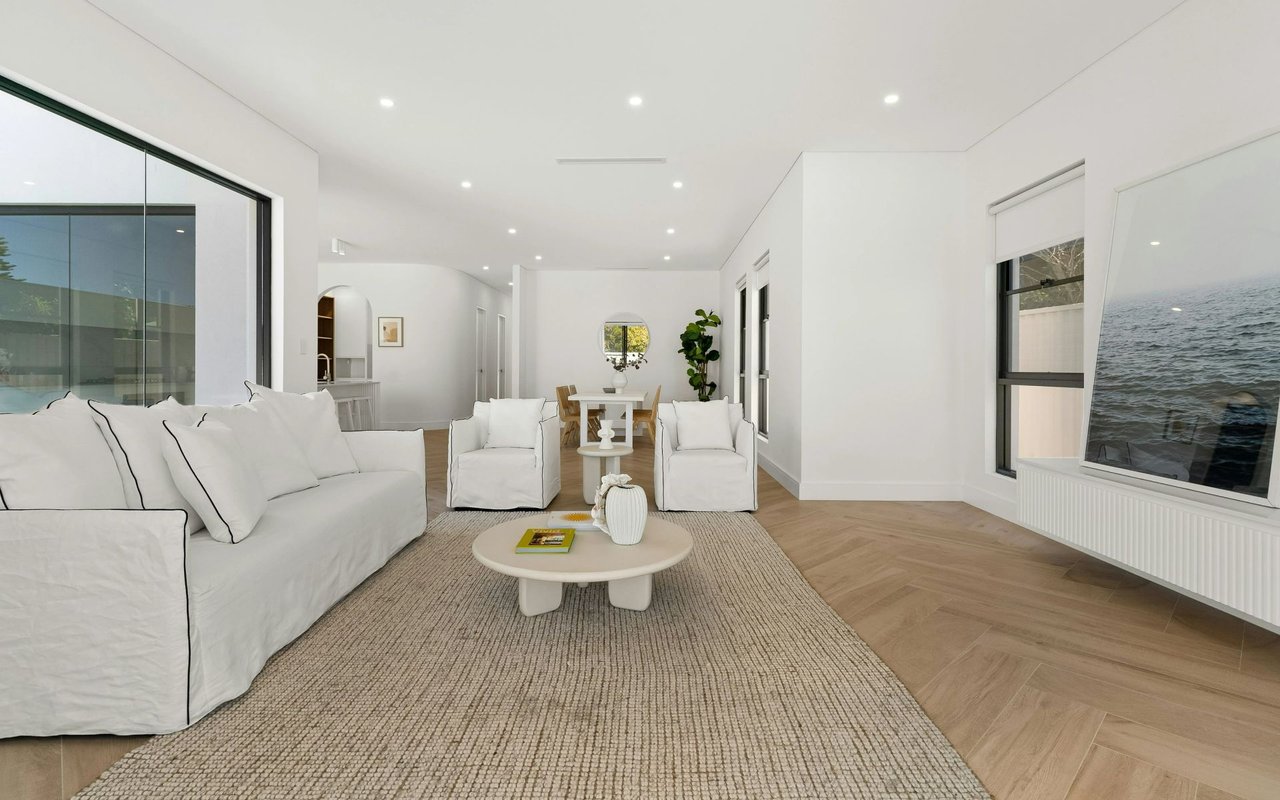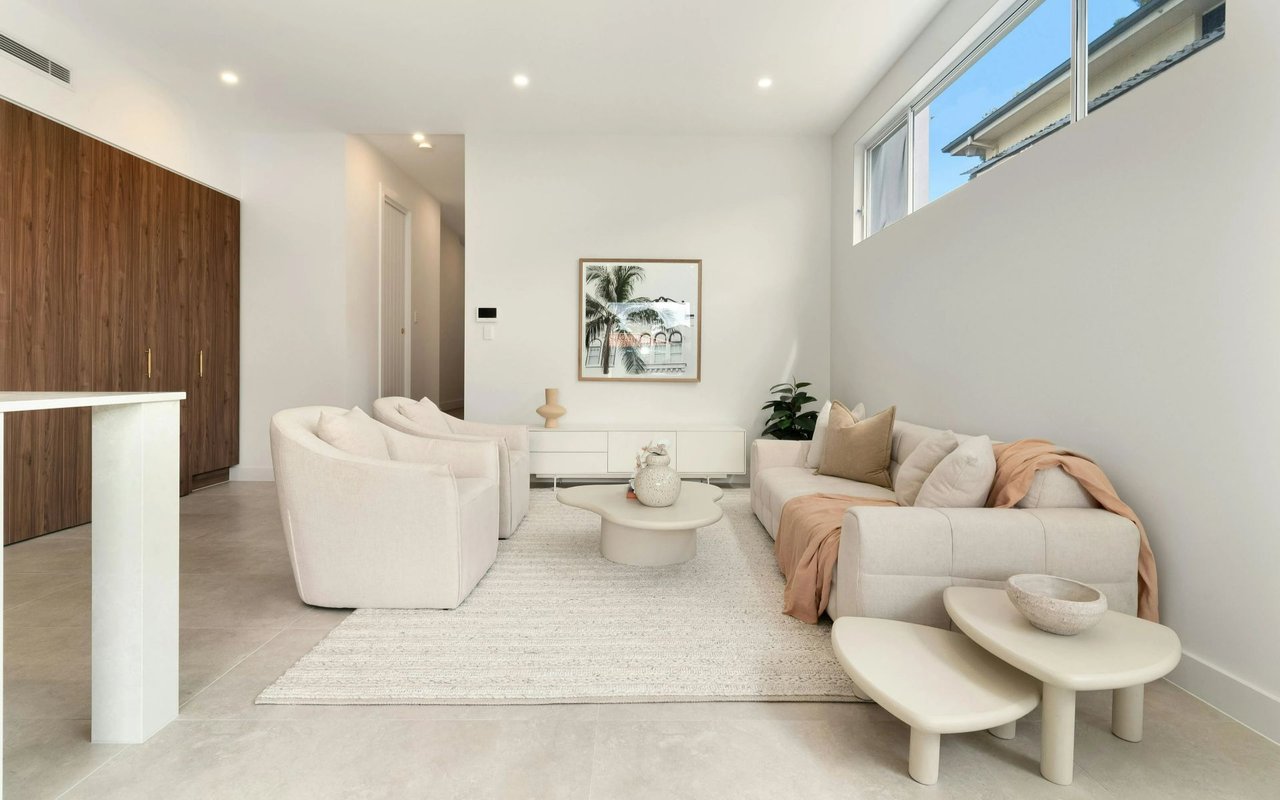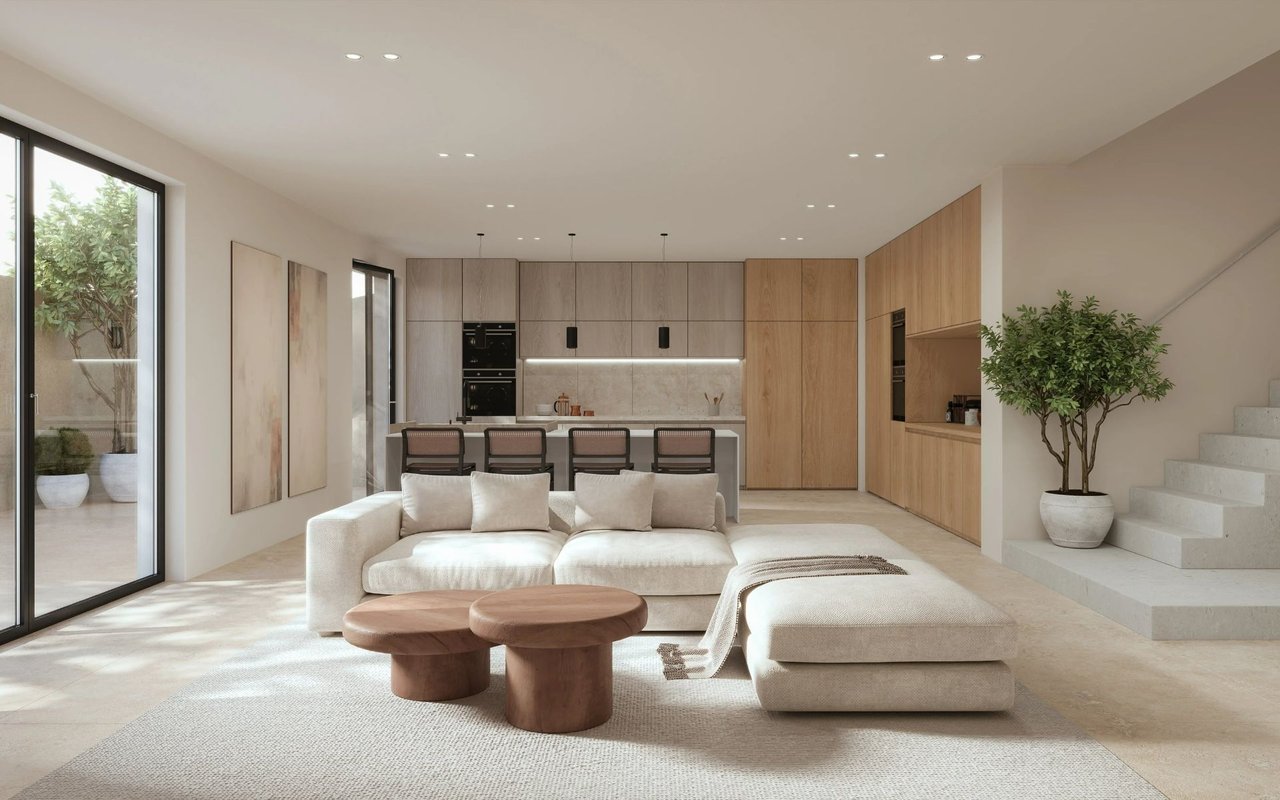
If you are planning to sell in Central Austin, you already know this is not a market where you can guess at price, upload a few phone photos, and expect the best outcome. Buyers are active, but they also have choices. The good news is that with the right prep, pricing, and plan, you can put your home in a strong position from day one. Let’s walk through it step by step.
Understand the Central Austin market
Before you make a to-do list, it helps to understand the market you are stepping into. In April 2026, the city of Austin recorded 980 residential sales, a median price of $573,750, 3,987 active listings, 4.5 months of inventory, and a 94.9% average close-to-list price. In Travis County, there were 1,249 sales, a $505,000 median price, 5,615 active listings, 4.8 months of inventory, and a 94.6% average close-to-list price.
Those numbers point to an active market, but not an automatic one. Buyers are still buying, and pending sales were up 20.0% in the city and 20.4% in the county compared with April 2025. At the same time, inventory levels and average close-to-list ratios under 95% show that pricing and presentation matter.
If you own a home in Central Austin, that citywide median is useful context, but it is not your list price. Your pricing strategy still needs neighborhood-level comparable sales and adjustments for condition, updates, lot, layout, and overall appeal.
Start 4 to 6 weeks before listing
A smooth sale usually starts well before your home hits the market. Giving yourself a month or a little more helps you handle the work in stages instead of rushing through it all at once.
This is the time to focus on the basics that most directly affect first impressions. In practical terms, that means repairs, cleaning, decluttering, and deciding which updates are worth finishing before photos.
Tackle obvious repairs first
Buyers notice the small stuff because small issues can signal bigger maintenance concerns. If you have loose hardware, chipped paint, sticking doors, burned-out bulbs, or obvious cosmetic wear, now is the time to address it.
You do not need to over-improve every part of the house. The goal is to remove distractions so buyers can focus on the home itself, not on a mental list of fixes.
Declutter with photos in mind
Decluttering is about more than making the house look tidy. It helps rooms read clearly in photos and in person, which matters because many buyers begin online.
A good rule is to edit each room until its purpose feels obvious. If a dining room also looks like storage, or a spare bedroom is packed with overflow items, buyers may have a harder time seeing the layout.
Deep clean every visible surface
A clean home feels better maintained. Before listing, deep clean floors, counters, windows, bathrooms, kitchen surfaces, baseboards, and any high-touch or highly visible areas.
This step matters in person, but it also matters in listing photos. Dust, streaks, clutter, and buildup can make an otherwise attractive home feel tired online.
Improve curb appeal early
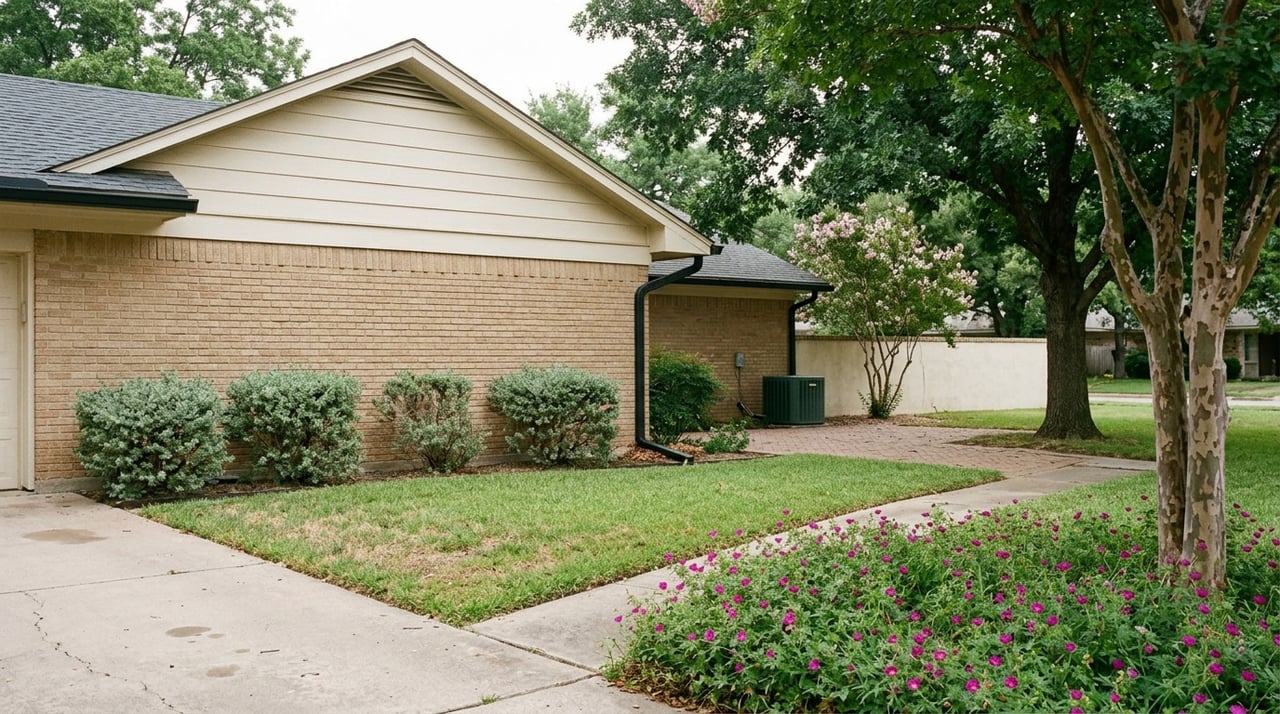
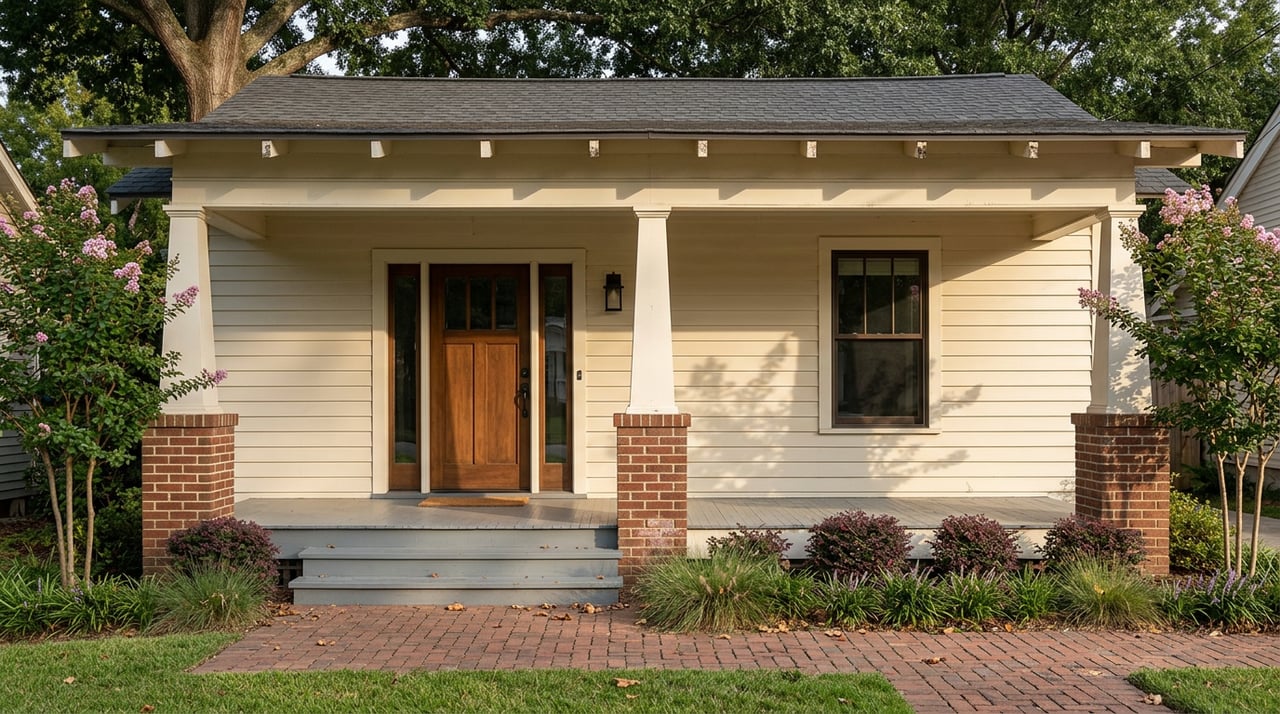
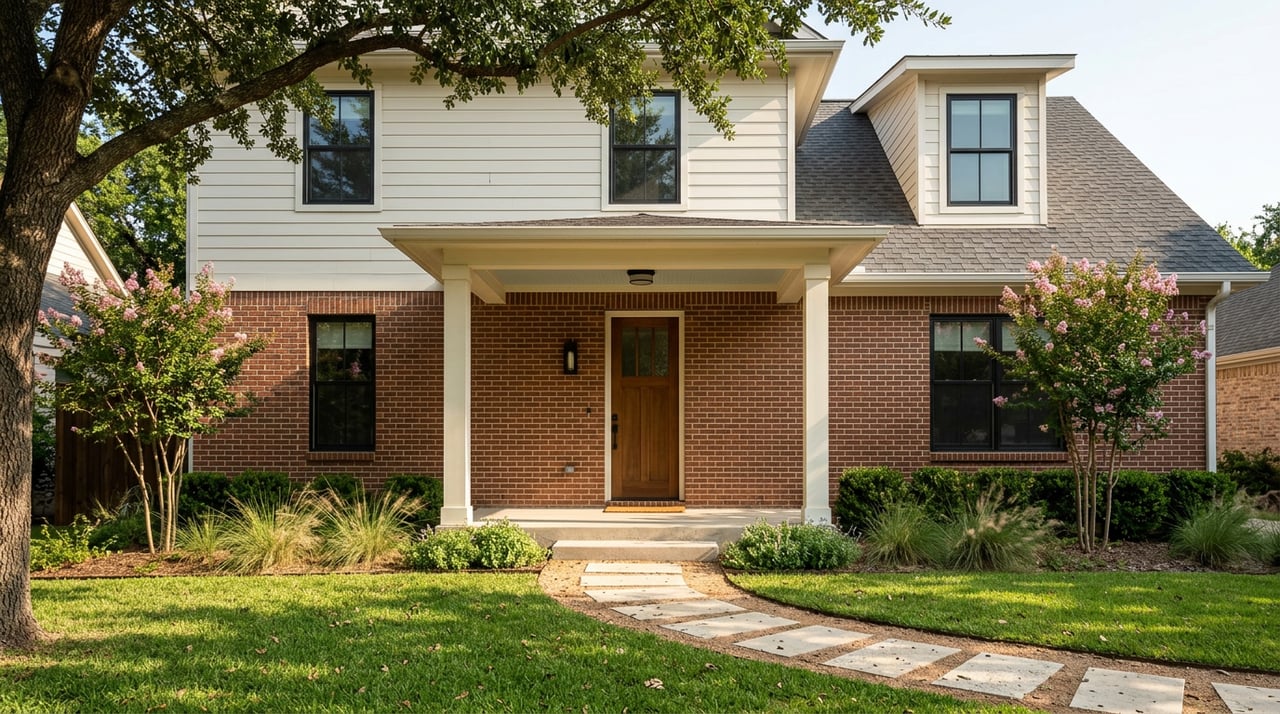
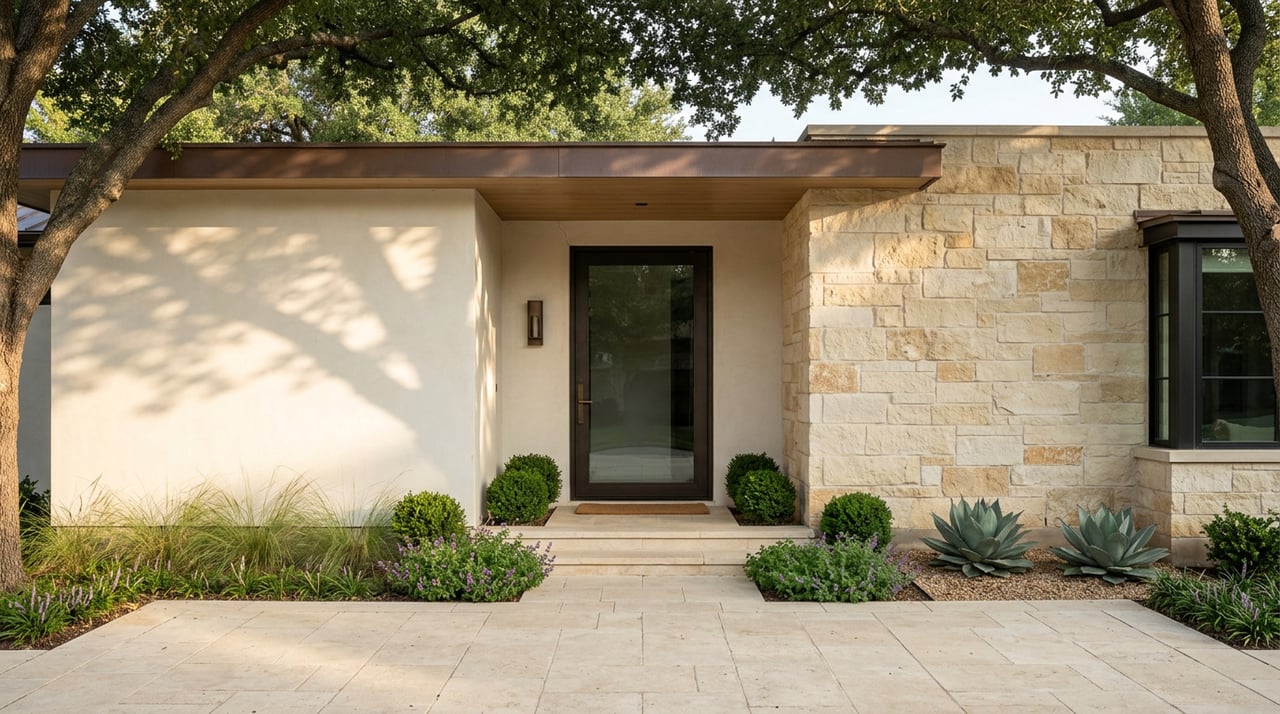
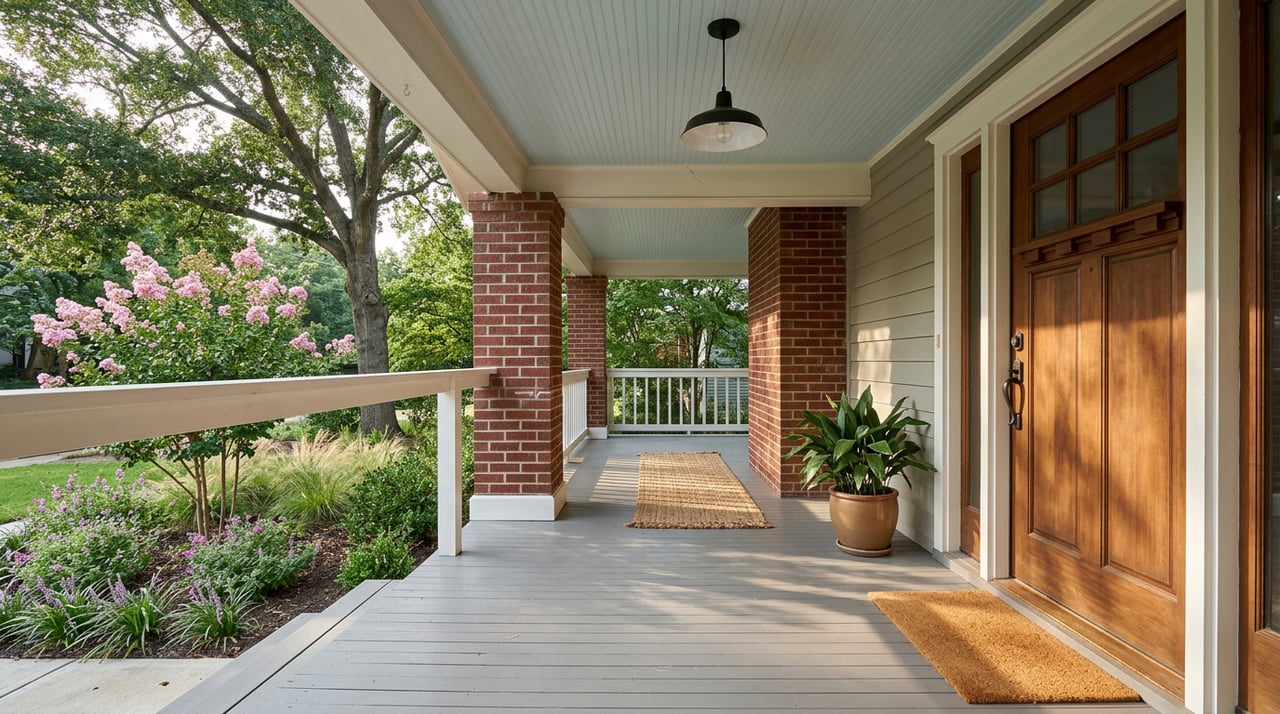
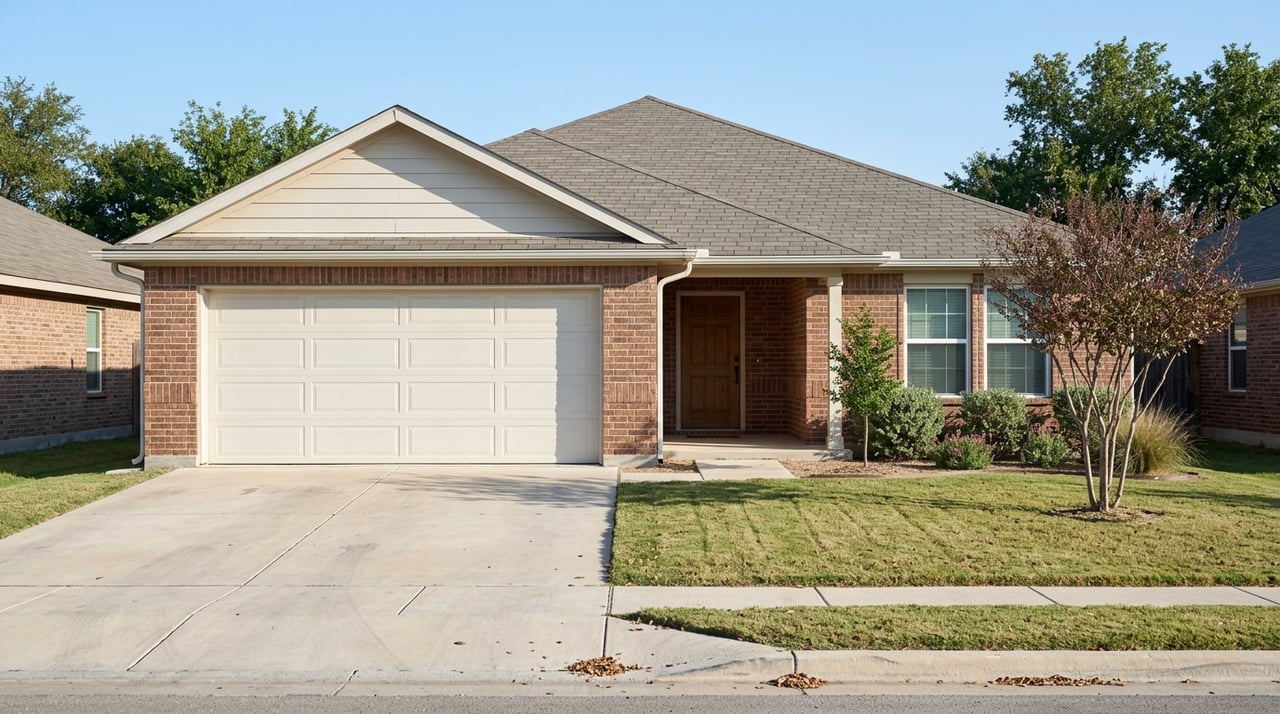
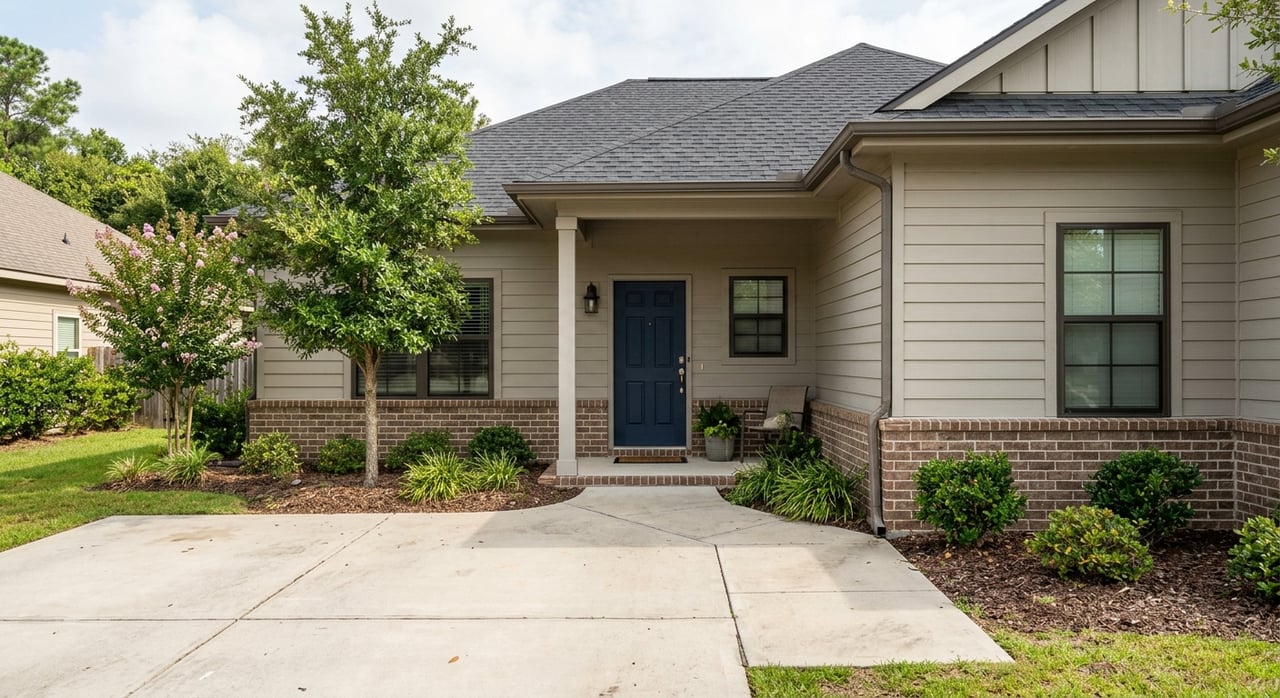
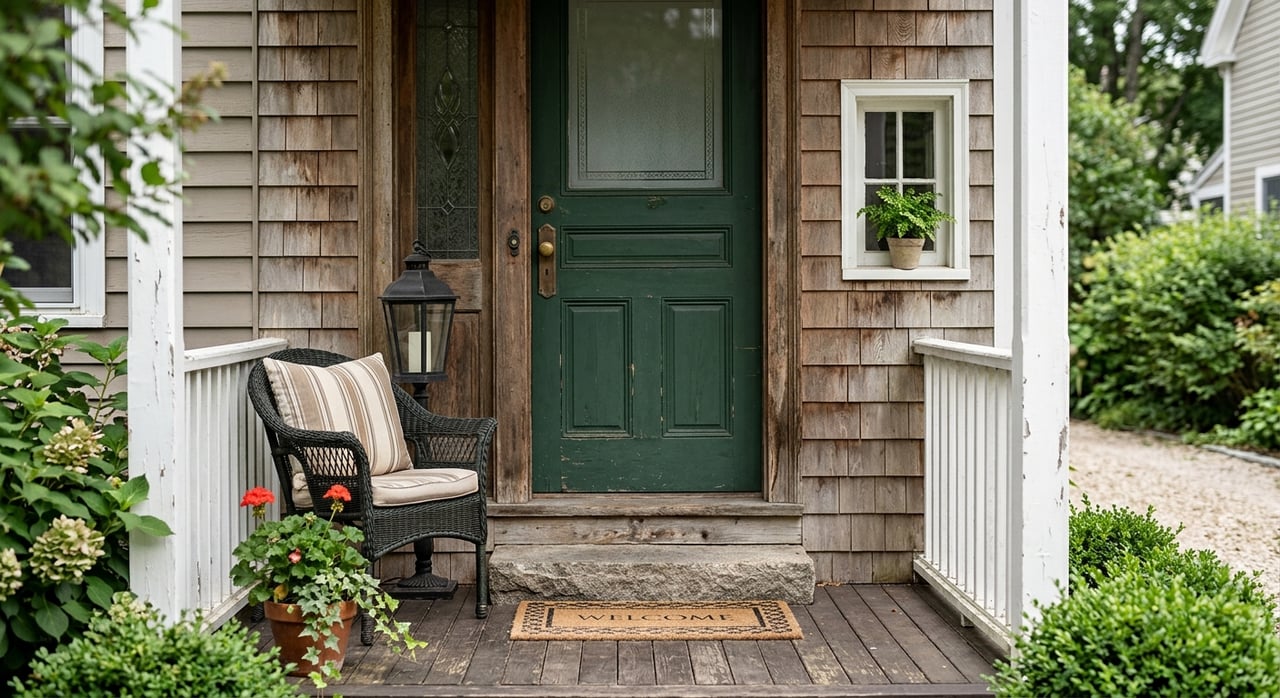
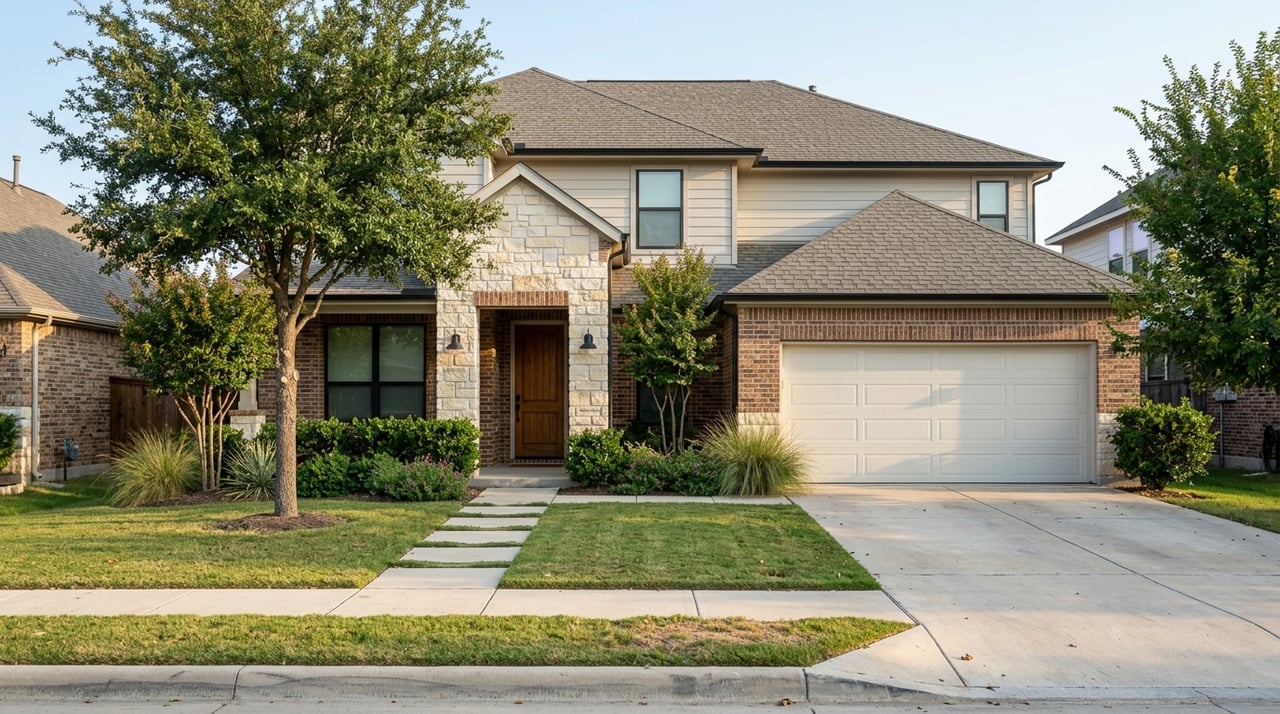
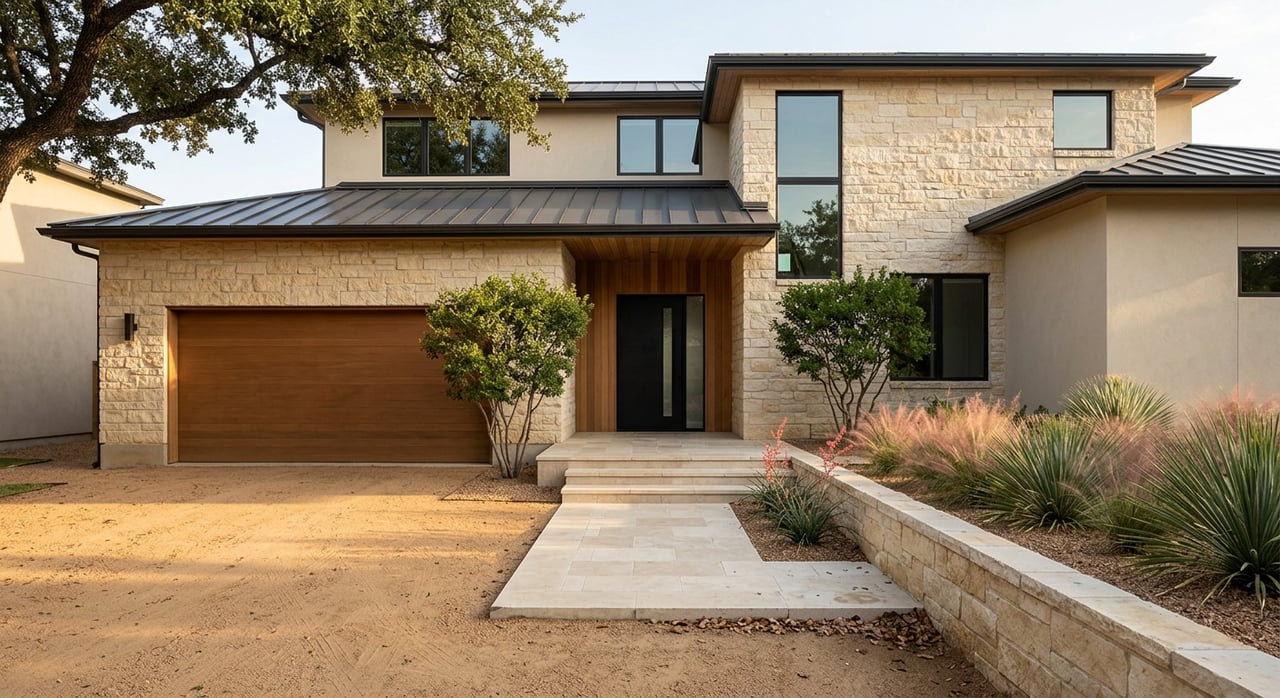
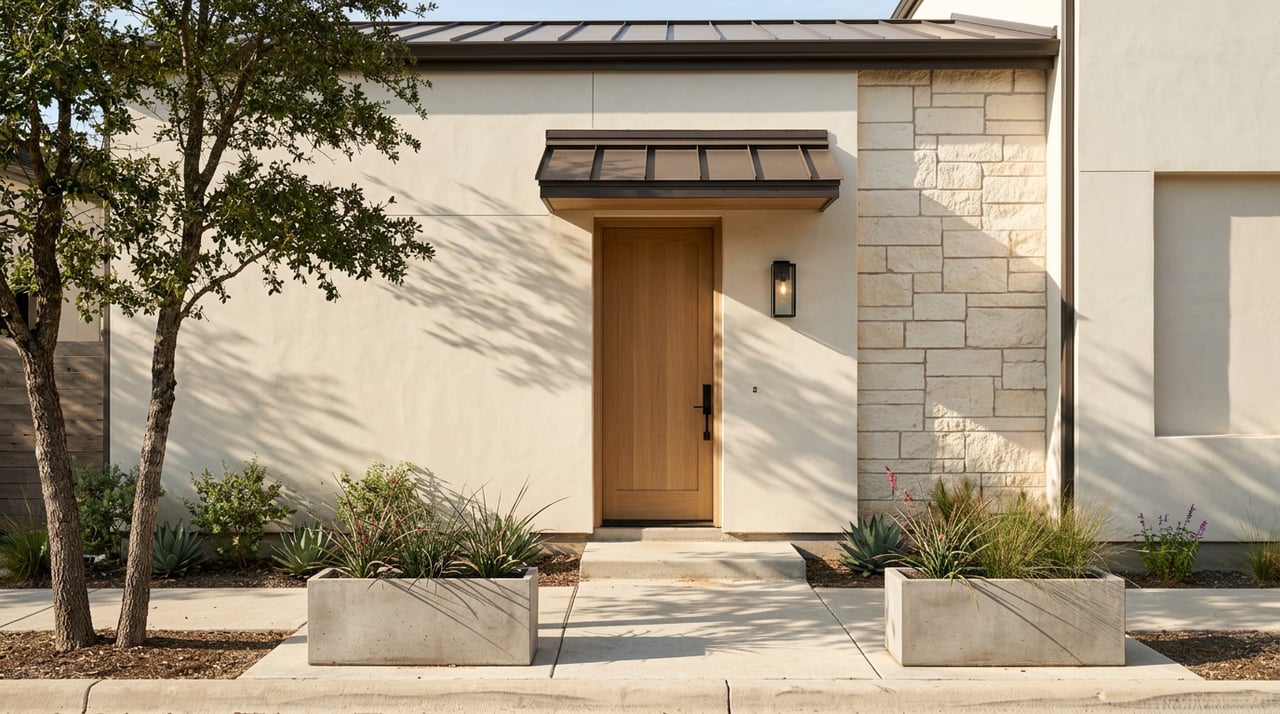
Your exterior is often the first thing buyers see, and it may be the first image in your listing. Simple steps like fresh mulch, trimmed landscaping, swept walkways, and a clean front entry can help your home make a stronger first impression.
For Central Austin sellers, this is especially important because buyers often compare several homes quickly. A polished exterior can help your home stand out before they even walk inside.
Focus on the features buyers notice most
Not every room carries the same weight. If you are deciding where to spend your time and budget, prioritize the spaces buyers and agents tend to care about most.
According to the research provided, the living room, primary bedroom, and kitchen are the rooms to stage first. These spaces do a lot of work in both photos and showings, so they deserve extra attention.
Simplify the living room
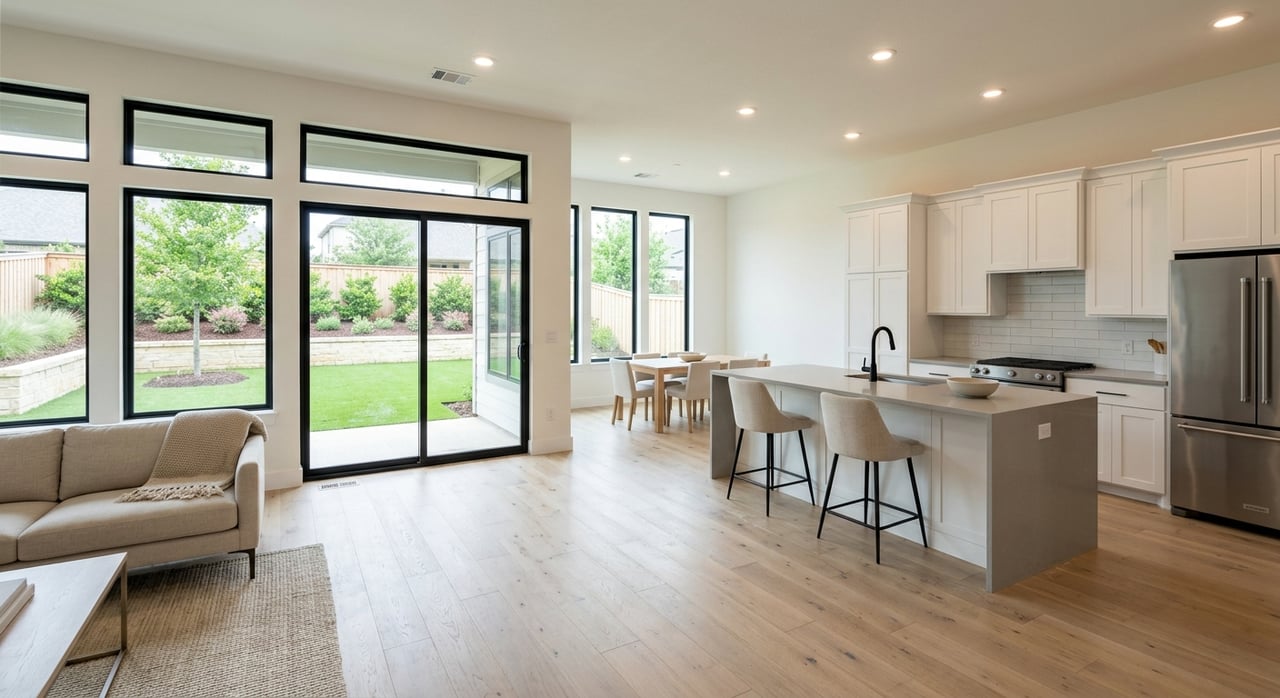
Your living room should feel open, comfortable, and easy to understand. Remove extra furniture if the room feels crowded, and keep surfaces simple and clean.
The goal is not to make it look empty. The goal is to help buyers see scale, flow, and function.
Freshen the primary bedroom
A calm, uncluttered primary bedroom can make the whole home feel more settled. Clear nightstands, reduce extra decor, and keep bedding simple and clean.
If the room is used for multiple purposes now, try to minimize that before photos. Buyers respond better when a room reads clearly.
Make the kitchen feel crisp
In the kitchen, less is usually more. Clear countertops as much as possible, clean appliances thoroughly, and remove personal papers, magnets, and visual clutter.
Even if your kitchen is not newly updated, it can still show well if it feels bright, orderly, and well cared for.
Plan your staging and photography 1 to 2 weeks before listing
As your listing date gets closer, your focus shifts from home prep to presentation. This is when staging, final touch-ups, and photography prep become the priority.
This matters because buyers are heavily influenced by what they see online first. In the 2024 Home Buyers and Sellers report, 43% of buyers started their search online, 41% said photos were very useful, 39% valued detailed property information, and 31% appreciated floor plans.
Why staging matters
Staging is not just decoration. It helps buyers understand how the home lives, which can affect both interest and speed.
NAR's 2025 Profile of Home Staging found that 29% of agents saw staged homes receive a 1% to 10% increase in the dollar value offered, and 49% saw reduced time on market. The same report found that buyers' agents considered photos, traditional staging, videos, and virtual tours highly important.
What staging may cost
If you are weighing the cost, the research gives a useful benchmark. When sellers used a professional staging service, the median reported cost was $1,500. When the listing agent handled staging, the median cost was $500.
That does not mean every home needs the same level of staging. It does mean presentation is worth treating as part of your pricing and marketing strategy, not as an afterthought.
Prepare for listing photos
Before photo day, remove personal photos, visible paperwork, and anything that feels overly specific to your daily routine. Buyers need room to picture themselves in the home, and clean visuals help that happen.
Also make sure blinds, lights, bedding, and surfaces are camera-ready. Since buyers may eliminate or shortlist homes based on photos alone, this step carries real weight.
Set a smart price from the start
Pricing is one of the biggest decisions you will make, and in Central Austin, it needs to be grounded in current reality. The broader Austin and Travis County numbers are a starting point, but they are not precise enough to price an individual home.
Your list price should reflect recent comparable sales, current competition, and your home's condition and presentation. In a market where average close-to-list ratios are under 95%, overpricing can make it harder to attract strong early interest.
A solid pricing strategy aims to meet the market where buyers are today. That usually gives you a better shot at quality showings, cleaner feedback, and a stronger negotiating position.
Launch with a clear listing-week plan
When listing week arrives, the goal is to turn online attention into actual showings. That takes more than just posting the home for sale.
A strong launch includes professional photos, clear listing copy, and a practical access plan. The research also notes that the MLS reaches the largest pool of serious buyers, which is why your initial rollout matters.
Be ready for the first wave
The first few days on market often bring the most attention. If your home is clean, easy to show, and presented well from the start, you are more likely to capture that momentum.
This is not the time to still be finishing repairs, cleaning out closets, or sorting through paperwork. The smoother your launch, the better your home can compete.
Make showings easy and secure
Once your home is active, convenience and privacy both matter. Showings are part of the process, and your plan should make access workable while also protecting your personal information and belongings.
The research notes that agents typically manage access through the MLS and coordinate showings, photography, appraisals, inspections, and repair visits. Electronic lockboxes are recommended because they record who entered and when.
Put away personal and sensitive items
Before showings begin, remove or secure family photos, mail, calendars, passwords, firearms, jewelry, and prescription medications. This is one of the simplest ways to protect your privacy during the sale.
You should also minimize visible paperwork throughout the home. Buyers need to focus on the property, not on your personal information.
Set expectations for photography
If privacy is a concern, ask about adding a no-photography note in the MLS when appropriate. That can help limit unapproved photography during showings.
This is especially helpful if your home contains personal items, sensitive spaces, or details you do not want casually shared.
Stay flexible on timing
In a busy in-town market, some showing requests may come on short notice. If your schedule allows, flexibility can help you capture more serious buyer traffic.
That does not mean saying yes to everything without a plan. It means setting a showing strategy that works for your household while still keeping the home accessible.
Know where open houses fit
Open houses can be part of the marketing plan, but they are only one tool. In NAR's 2024 survey, 23% of buyers said open houses were very useful.
That makes them helpful for some listings, but not the main driver in most cases. Online search and agent-guided search remain more central, which is another reason your photos, listing details, and showing access matter so much.
Gather disclosures and records early
Paperwork is easier to manage when you do not leave it until the last minute. In Texas, this is an important part of pre-listing prep.
As of May 22, 2026, TREC's updated Seller's Disclosure Notice, Form 55-1, is in effect. TREC says this form is required for previously occupied single-family residences and is used to satisfy the disclosure requirements of Texas Property Code Section 5.008.
Check if lead-paint disclosure applies
If your home was built before 1978, federal law requires a lead-based paint disclosure addendum. TREC's lead-paint form applies to pre-1978 residential dwellings.
If that applies to your home, it is best to prepare it early so it does not slow things down later.
Organize repair invoices and warranties
Gather repair invoices, warranties, and service records before listing. Buyers, appraisers, inspectors, and repair professionals may all need information or access during the transaction.
Organized documentation can reduce delays and make it easier to answer questions with confidence.
Think of selling as a sequence
The easiest Central Austin sales usually do not happen by accident. They follow a clear sequence: prepare the home, price it carefully, present it well, launch cleanly, and stay organized once showings begin.
That approach fits the current market. Buyers are active, but they are selective, and your home has to compete on both value and presentation.
If you want a calm, practical plan for your Central Austin sale, Matt Prewett can help you map out the timeline, prep priorities, pricing strategy, and next steps without pressure.
FAQs
What is the Central Austin housing market like for sellers in 2026?
- In April 2026, the city of Austin had 980 residential sales, a $573,750 median price, 3,987 active listings, 4.5 months of inventory, and a 94.9% average close-to-list price, which points to an active but more selective market.
How far in advance should you prepare a Central Austin home for sale?
- A practical timeline is about 4 to 6 weeks before listing for repairs, decluttering, cleaning, and curb appeal work, then 1 to 2 weeks before listing for staging, photography prep, and gathering disclosures and records.
What rooms matter most when staging a Central Austin home?
- The living room, primary bedroom, and kitchen are the top spaces to prioritize because buyers and agents often focus on those rooms first in both photos and showings.
How important are listing photos when selling a home in Central Austin?
- Listing photos are very important because many buyers begin their search online, and the research shows photos are one of the most useful tools buyers rely on when deciding which homes to see.
What seller disclosure form is used in Texas for a previously occupied single-family home?
- As of May 22, 2026, TREC's updated Seller's Disclosure Notice, Form 55-1, is the form used for previously occupied single-family residences to satisfy Texas Property Code Section 5.008 requirements.
When does lead-based paint disclosure apply to a Texas home sale?
- If the home was built before 1978, a lead-based paint disclosure addendum is required for that residential sale.
Are open houses the main way buyers find homes in Central Austin?
- No. Open houses can help, but the research shows online search and agent-driven search play a bigger role for most buyers.