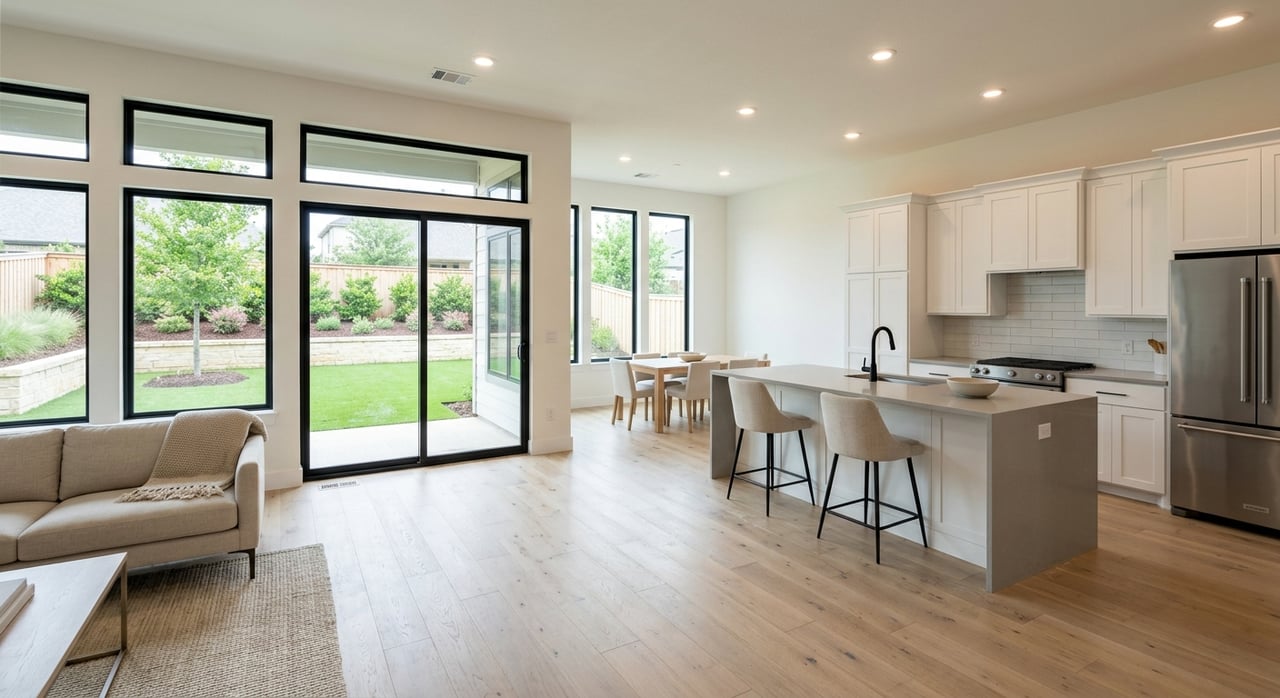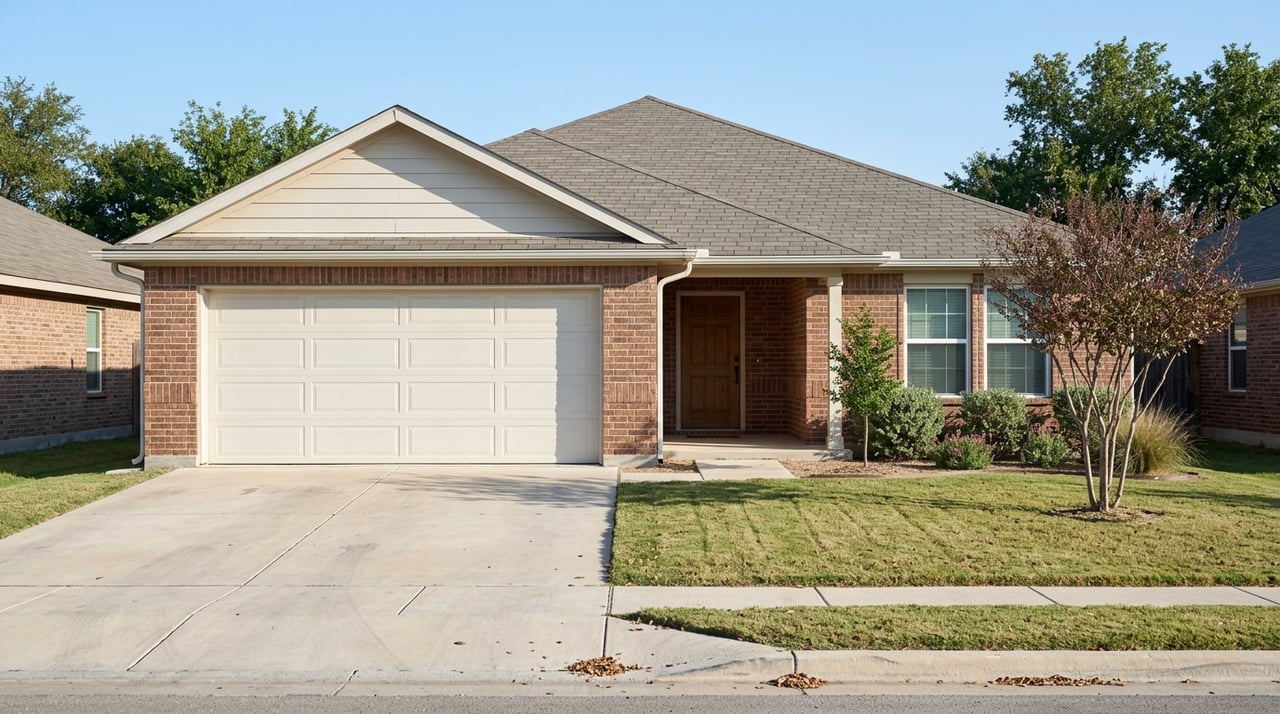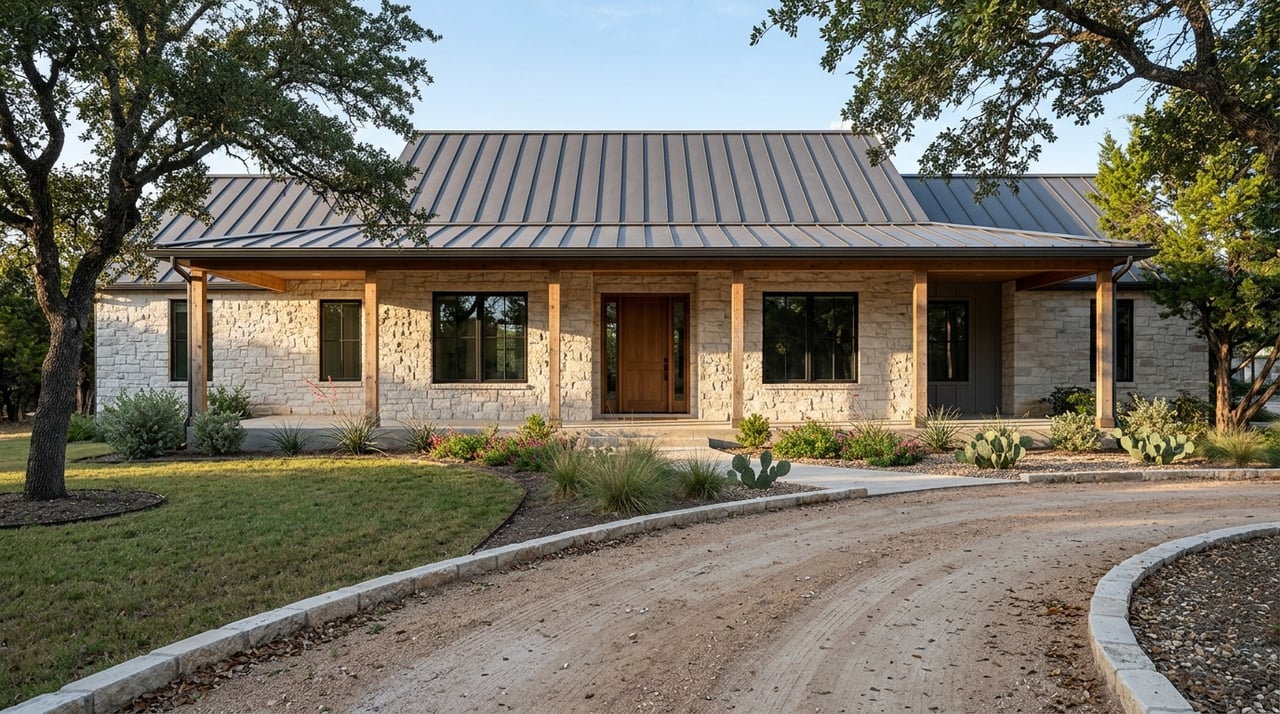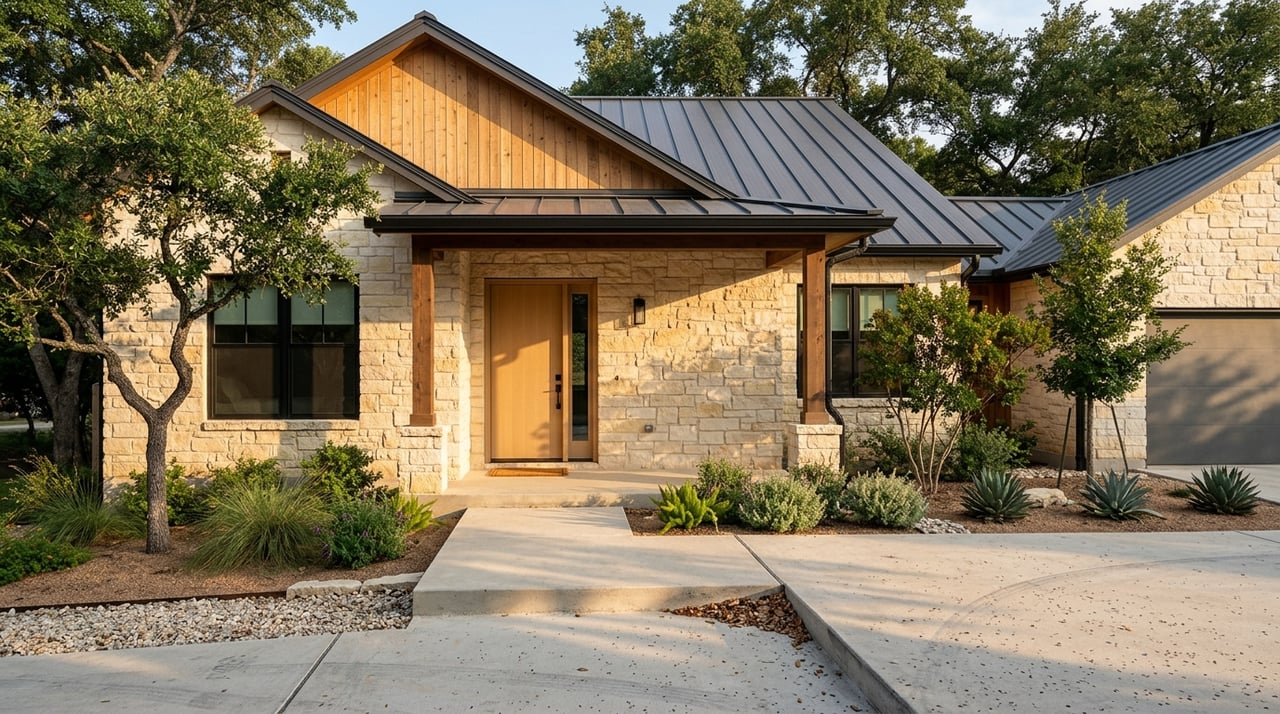
Wondering whether a rental home in Round Rock actually works on paper, or just looks good in a listing? You are not alone. Many buyers make the mistake of focusing on the mortgage payment first, when the better approach is to start with demand, then measure the full monthly cost stack, and only then estimate cash flow. This simple framework can help you evaluate Round Rock rental homes more clearly and make more confident decisions. Let’s dive in.
Why Round Rock Draws Rental Demand
Round Rock has several fundamentals that support a broad renter base. The city’s estimated population reached 141,282 in 2025, with 48,647 households and an average household size of 2.61 people. The owner-occupied rate is 55.5%, which also points to a meaningful share of renter households in the local housing mix.
Income and commuting patterns also matter when you are evaluating rental demand. Census data shows a median household income of $99,287 and a mean travel time to work of 24.9 minutes. That combination can support demand from people looking for a practical commute and a range of housing options.
Round Rock also has a diverse employment base. The city lists major employers including Dell, Kalahari Resorts and Conventions, Ascension Seton Williamson, Baylor Scott & White Healthcare, St. David's Round Rock Medical Center, Amazon, UPS, Emerson Process Management, and Round Rock Premium Outlets. Industry clusters include manufacturing, healthcare, professional and financial services, and technology and computing.
Family demand is another part of the picture. Round Rock ISD reports 46,150 students across 56 schools and a 96.6% graduation rate in 2024. If you are comparing homes, access to schools can be a practical factor for many households searching for a rental.
Start With Rent, Not Hope
Before you run any numbers, begin with a realistic rent estimate. In Round Rock, the Census reports a median gross rent of $1,763, while Zillow’s current average asking rent is $1,621. These figures measure different things, so it is better to use them as complementary reference points rather than treat them as identical.
That matters because one listing can give you a distorted view of the market. A smarter approach is to compare current rent snapshots for similar homes by type, size, condition, and location. Your goal is not to find the highest possible number. Your goal is to find a realistic number you would feel comfortable underwriting.
A second helpful check is affordability. Based on the Census median gross rent and median household income, rent is about 21.3% of median household income. That suggests Round Rock has a broad renter market at the median, rather than one that appears deeply rent-stressed on those figures.
Use a Simple Underwriting Formula
Once you have a realistic rent estimate, compare that income against the true monthly carry. A simple formula looks like this:
Expected rent - vacancy - property tax - insurance - utilities - HOA - repairs and capital reserves - management = cash flow
This step is where many rental analyses break down. A property can look fine if you only compare rent to principal and interest. It can look very different once you account for the real costs of owning and operating it in Round Rock.
Property Taxes Matter More Than You Think
In Texas, property taxes can change the deal quickly, so they need to be verified early. For Round Rock’s FY 2025-2026, the city property tax rate is 37.2 cents per $100 of assessed value. The city also reports a median taxable home value of $395,240 on the 2025 rolls.
Using those city figures, the city portion alone works out to about $1,470 per year, or roughly $122.52 per month. That is only the city portion of the bill. The total property tax bill also includes other taxing entities, so parcel-level verification is essential before you buy.
This is especially important because Round Rock spans both Williamson and Travis counties. The exact tax bill will depend on the property’s specific taxing jurisdictions. If you skip that step, you can end up underwriting a deal with the wrong monthly carry.
Utility Costs Can Quietly Add Up
Utilities are easy to underestimate, especially if you are carrying the home during vacancy or considering a furnished rental setup. Round Rock’s current residential fixed monthly utility charges include:
- $24.69 for garbage and recycling
- $6.75 for stormwater drainage
- $14.91 wastewater base fee
- $18.21 water base fee
That totals $64.56 per month in fixed charges before water usage. Even if a tenant will ultimately cover some utilities, you should still understand what those costs look like during turnover or vacancy.
Check the Price-to-Rent Relationship
A quick sanity check can help you decide whether a property deserves deeper analysis. Zillow’s current Round Rock median sale price is $396,000, and its average asking rent is $1,621. That implies a gross rent-to-price ratio of about 4.9% before taxes, insurance, vacancy, repairs, management, and capital costs.
That number does not automatically make a property good or bad. It simply shows why expense modeling matters so much in this market. If the gross income starts modestly relative to the purchase price, small cost surprises can have a big impact on your returns.
Compare Homes by Demand Profile
Not every Round Rock rental should be judged the same way. A more useful comparison is to ask what kind of tenant demand the property is most likely to attract. In Round Rock, that often falls into three practical buckets.
Commuter-Oriented Rentals
Commute convenience can shape rental value in a big way. Round Rock is 15 miles north of Austin, and downtown Round Rock is 19 miles north of Austin and less than half a mile from IH-35. The city’s transportation planning also focuses heavily on regional connectivity and long-range corridor improvements.
Public transportation is broader than some buyers expect. Round Rock Rides offers on-demand service within city limits, and CapMetro routes 50, 152, and 980 connect Round Rock to Austin. The city also offers a commuter express between the Round Rock Transit Center and downtown Austin, while CARTS’ Interurban Coach connects to Austin International Airport, San Marcos, Taylor, and other regional destinations.
If a home sits near the Round Rock Transit Center, Sunrise corridor, University and Lois Henna area, downtown, or the Outlet Mall, it may fit a commute-oriented rental profile. That does not guarantee demand, but it gives you a clear way to think about comparable properties.
Family-Oriented Rentals
Some homes appeal more to households that prioritize space, layout, and access to daily routines. In those cases, location factors like commute routes, neighborhood layout, and proximity to schools may carry more weight in your comparison process.
Round Rock ISD’s scale also makes school access a relevant practical consideration for many renters. When you review a property, think in terms of use case. Does the home function well for everyday living, or does it ask the tenant to compromise too much on convenience?
Downtown and Walkability Rentals
Downtown Round Rock is its own submarket. The city describes it as a walkable, mixed-use area and has treated downtown revitalization as a long-term priority. It also adopted major downtown zoning updates on October 23, 2025, affecting more than 100 parcels.
That makes downtown different from a more traditional single-family rental area. If you are evaluating a property there, compare it against homes and units that compete on walkability, mixed-use access, and a more urban-style setting rather than against suburban rentals farther out.
Watch the Local Due Diligence Items
A property can look fine in photos and still create headaches after closing. That is why local due diligence should be part of your first-pass screen, not an afterthought.
Round Rock’s code enforcement page makes clear that ordinance enforcement is intended to preserve neighborhood integrity and property values. The city identifies common issues such as brush and rubbish accumulation, tall grass and weeds, fence maintenance, and other nuisance conditions. It also notes that zoning violations can be fined up to $2,000 per day.
For an investor, that means deferred maintenance is not just a cosmetic issue. It can affect carrying costs, turn times, and compliance risk. If a home already shows signs of neglect, budget for more than the obvious repair list.
Review HOA Rules Early
If a property is in an HOA, read the documents carefully before you move too far forward. The city notes that deed restrictions are private contracts, are not enforced by the city, and may be stricter than city ordinances.
That matters because a property can seem rentable from a city standpoint but still face private restrictions that affect leasing, occupancy, exterior maintenance, or permitted use. HOA review should be part of the early screening process, not something left for the very end.
A Clear Framework to Use on Every Deal
If you want a practical way to compare rental homes in Round Rock, keep your framework simple and repeatable:
- Estimate realistic rent using current local snapshots.
- Identify the likely demand profile for the home.
- Calculate all-in monthly carry, not just the mortgage.
- Verify property taxes at the parcel level.
- Add utility, HOA, repair, reserve, and management costs.
- Check for code issues, maintenance concerns, and deed restrictions.
- Compare the final cash flow, not the marketing story.
This approach will not remove every risk, but it will help you make cleaner side-by-side comparisons. It also helps you avoid overvaluing a property based on surface-level appeal.
A good rental decision usually comes down to discipline more than excitement. In a market like Round Rock, where demand drivers are real but expenses matter, the better question is not whether a home could rent. It is whether the numbers still make sense after you account for how the property will actually operate.
If you want help evaluating rental homes in Round Rock with a steady, no-pressure approach, Matt Prewett can help you sort through the tradeoffs, compare options, and move forward with clarity.
FAQs
What rent should you use when evaluating a Round Rock rental home?
- Use current rent snapshots for similar homes by size, condition, and location, then compare those with broader reference points like Round Rock’s Census median gross rent of $1,763 and Zillow’s average asking rent of $1,621.
Why are property taxes so important for Round Rock rental analysis?
- Property taxes are a major part of monthly carry in Texas, and Round Rock’s city tax is only one part of the total bill, so you should verify the full parcel-level tax burden before purchase.
What utility costs should you include for a Round Rock rental property?
- At a minimum, account for Round Rock’s fixed monthly residential charges of $64.56 before water usage, especially during vacancy, turnover, or any setup where the owner may cover utilities.
How should you compare different Round Rock rental locations?
- Compare by demand profile first, such as commuter-oriented, family-oriented, or downtown walkability, because each type of rental competes on different strengths.
What local risks should you check before buying a Round Rock rental home?
- Review code enforcement issues, maintenance condition, zoning concerns, and any HOA or deed restrictions that could affect leasing, occupancy, upkeep, or overall cash flow.
What professionals should you talk to before buying a Round Rock investment property?
- Because financing, taxes, depreciation, and legal treatment are deal-specific, it is smart to review the property with your lender, CPA, and a local real estate advisor before you buy.