Buying your first home in Round Rock can feel like aiming at a moving target. You want a home that fits your budget today, works for your daily life, and still makes sense long term. The good news is that Round Rock offers several realistic starter-home paths if you know what tradeoffs to watch for. Let’s break down what starter-home options in Round Rock usually look like and how to compare them with confidence.
What a starter home means in Round Rock
In Round Rock, a starter home usually means a smaller single-family home rather than a condo in a dense urban setting. City planning data shows that 65% of the city’s residential units are 1-unit detached homes, so most entry-level buyers are shopping in a market shaped by subdivisions and neighborhood streets instead of condo towers.
That same local data shows a housing mix with many 2- and 3-bedroom homes. About 58% of owner-occupied homes have 2 or 3 bedrooms, which helps explain why many starter-home searches center on practical layouts with enough space for everyday living, guests, or a home office.
Round Rock is also a newer housing market than many buyers expect. Most owner-occupied homes were built in 1980 or later, and more than half were built in 2000 or later. That often means more standardized floor plans, suburban lot patterns, and fewer very old homes with historic-era layouts.
Where Round Rock sits on price
Round Rock sits in the middle of the local price ladder, which is a big reason first-time and budget-conscious buyers keep it on their list. Recent market data put the median sale price in Round Rock at $370,273 in May 2026.
That places Round Rock below Austin at $542,460 and Cedar Park at $519,689. It also comes in below Georgetown at $414,752, while sitting above Hutto at $344,784 and slightly above Pflugerville at $360,284.
Price per square foot tells a similar story. Round Rock sits at $196 per square foot, which is well below Austin’s $320 and lower than Cedar Park’s $217 and Georgetown’s $209. At the same time, it is higher than Hutto’s $171 and Pflugerville’s $182.
For you as a buyer, that means Round Rock may offer a middle-ground option. You may pay more than you would in some nearby suburbs, but often less than you would in Austin or Cedar Park while still staying close to major job centers and regional routes.
Common starter-home types in Round Rock
Smaller detached homes
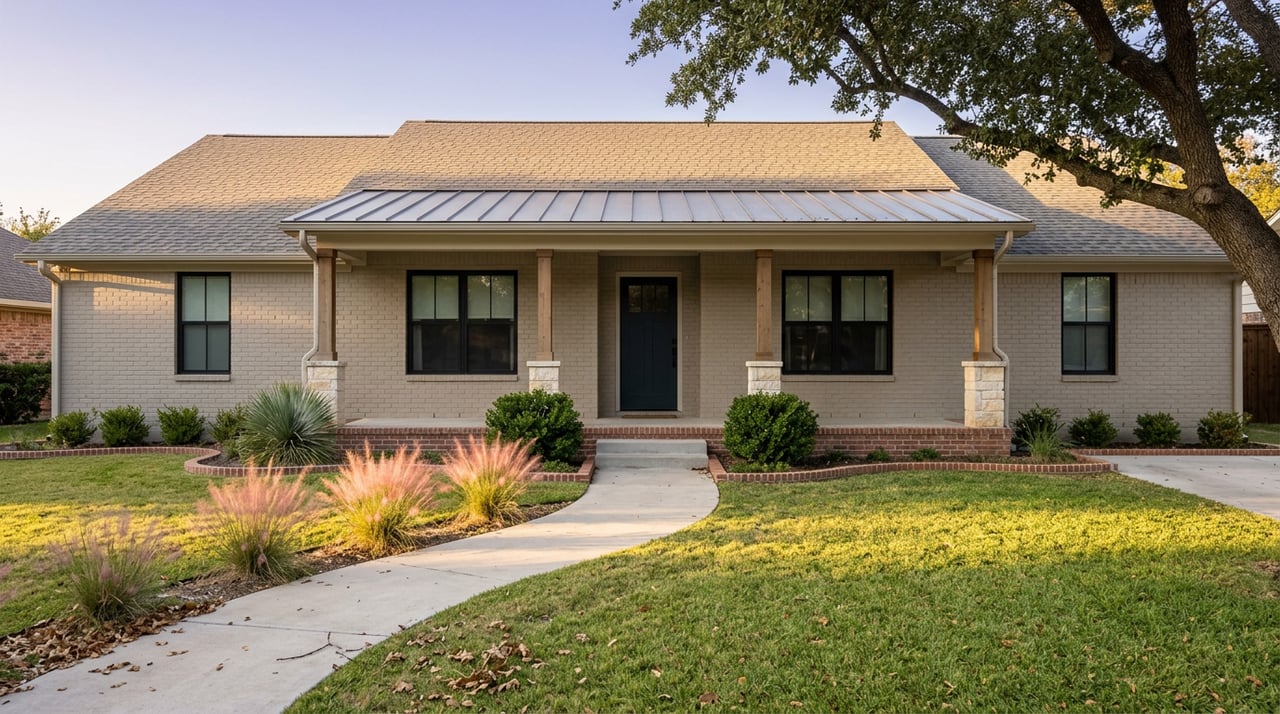
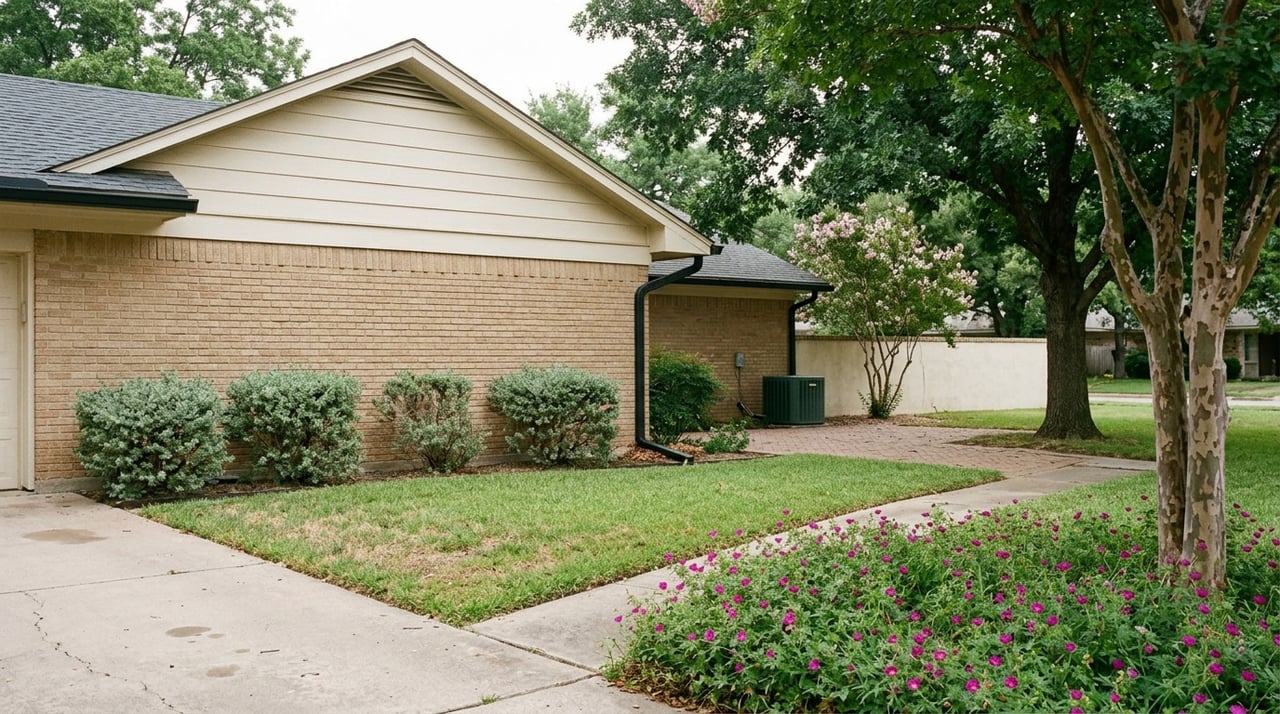
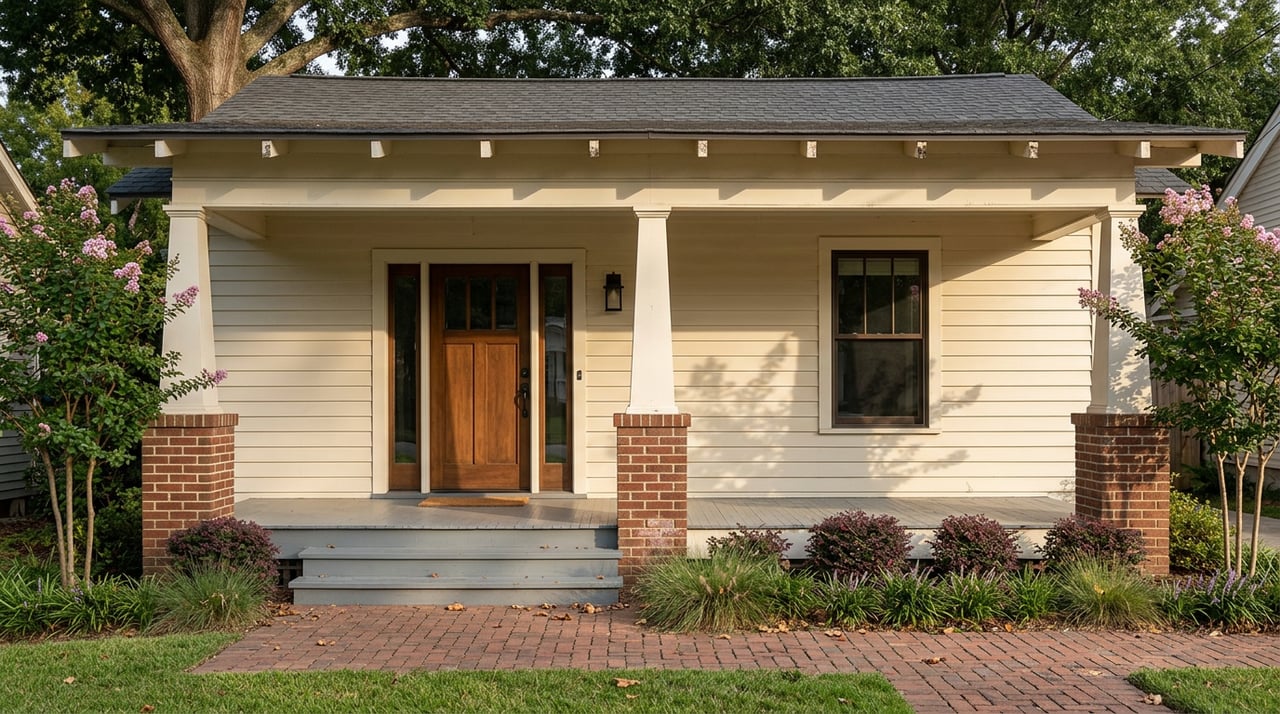
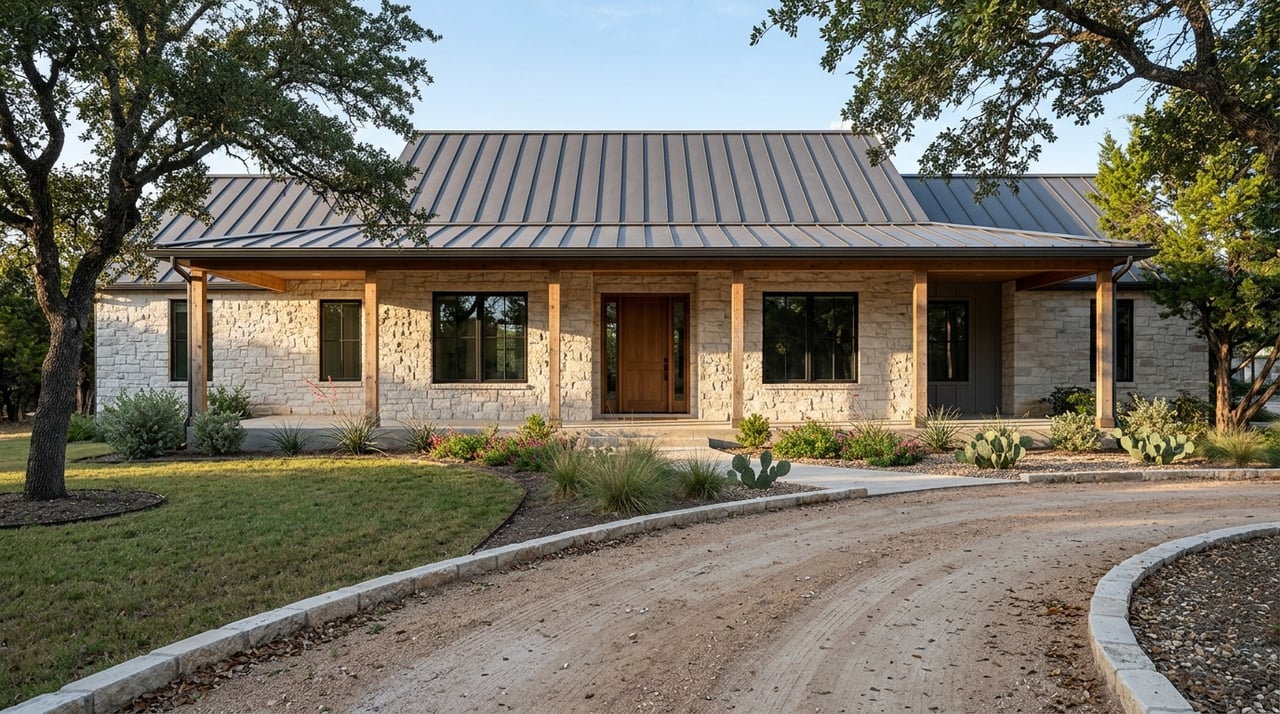
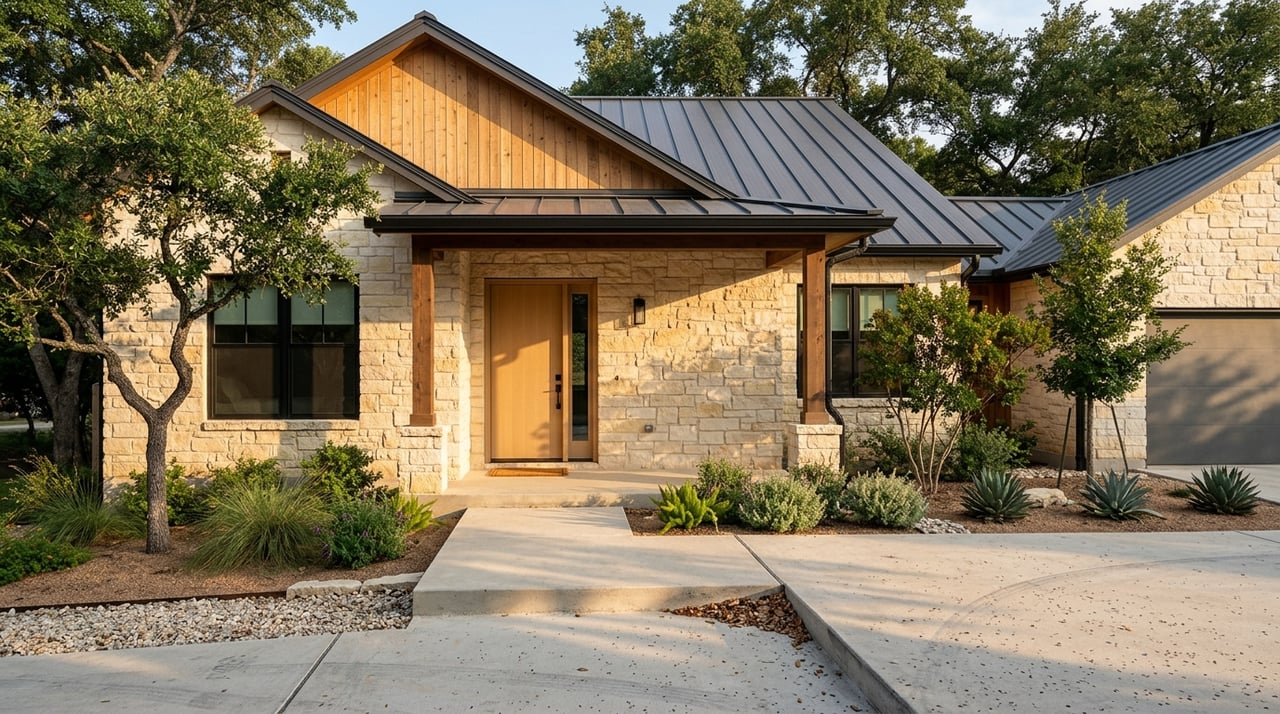
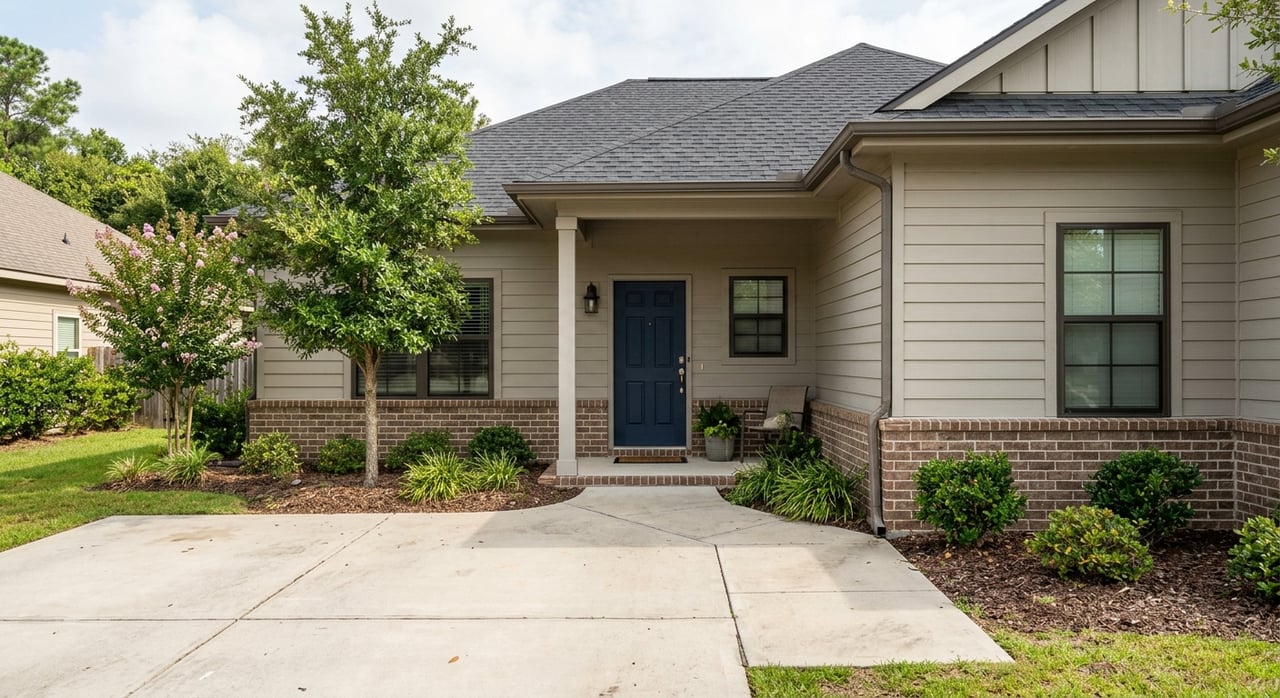
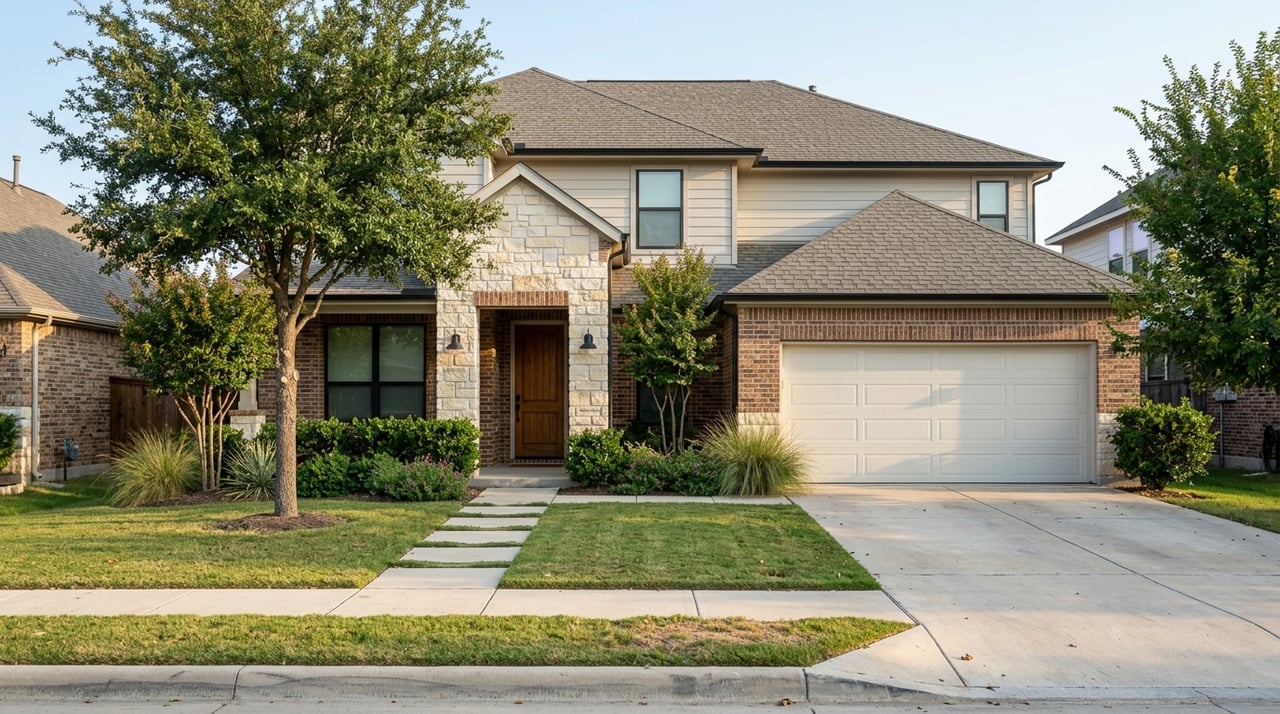
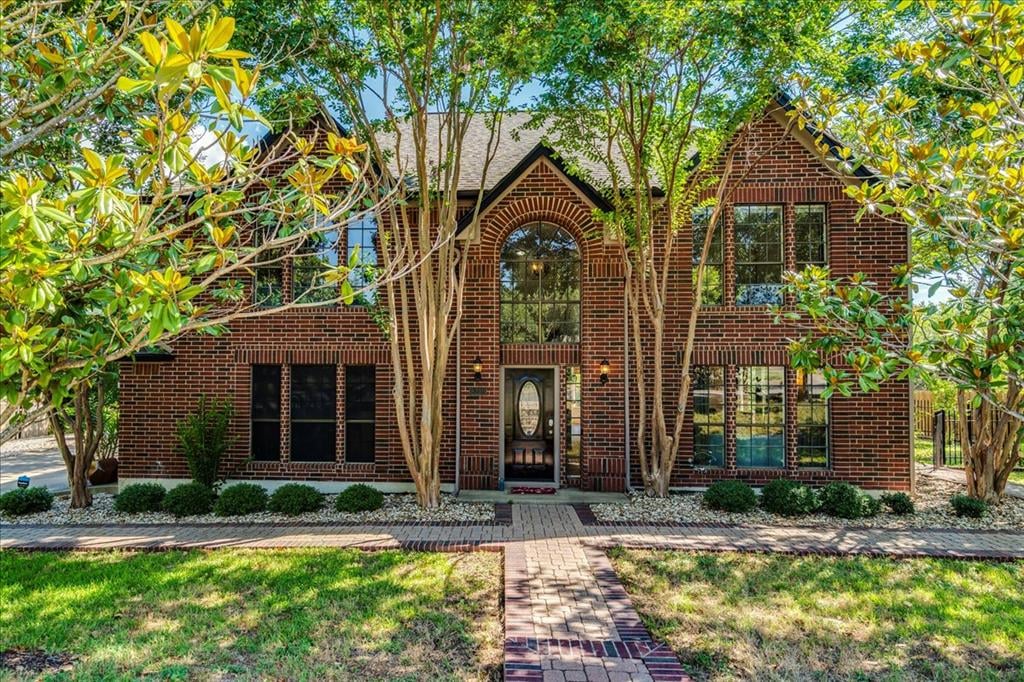
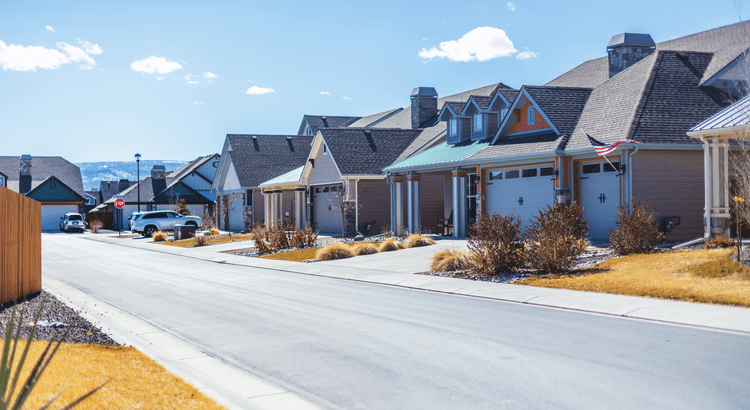
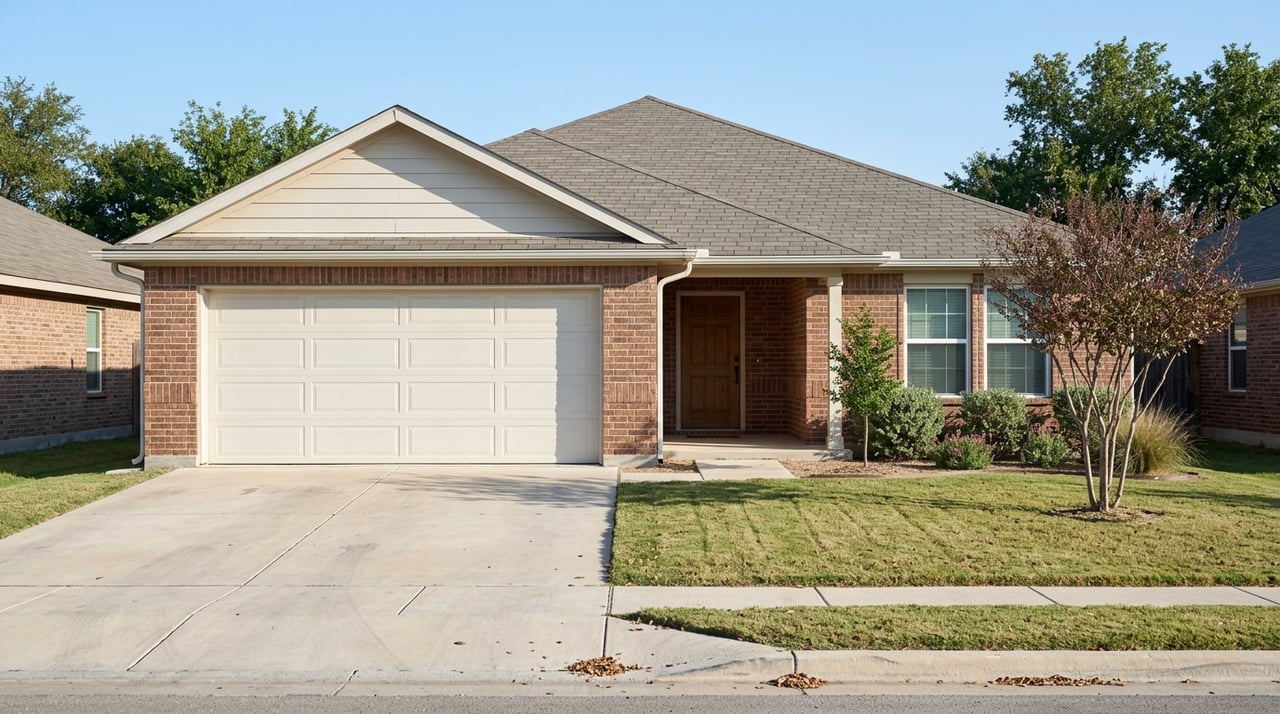
The most common starter-home option in Round Rock is the smaller detached house in an established or newer subdivision. These homes often have 2 or 3 bedrooms, straightforward layouts, and a more traditional suburban setup.
A recent local sale example showed a 3-bedroom, 2-bath home with 1,353 square feet selling for $310,000. That does not define the whole market, but it does show that entry-level detached homes can still exist below the citywide median depending on size, condition, and location.
Higher-density single-family homes
Round Rock’s housing reports also point to higher-density single-family options on smaller lots. These may sit on fee simple or common lots in the 5,000 to 6,500 square foot range, and some areas include zero-lot-line or village-style forms.
These homes can be appealing if your top goal is lowering the entry price. In many cases, the tradeoff is less private yard space and sometimes a more compact feel between homes.
Newer suburban homes with standardized layouts
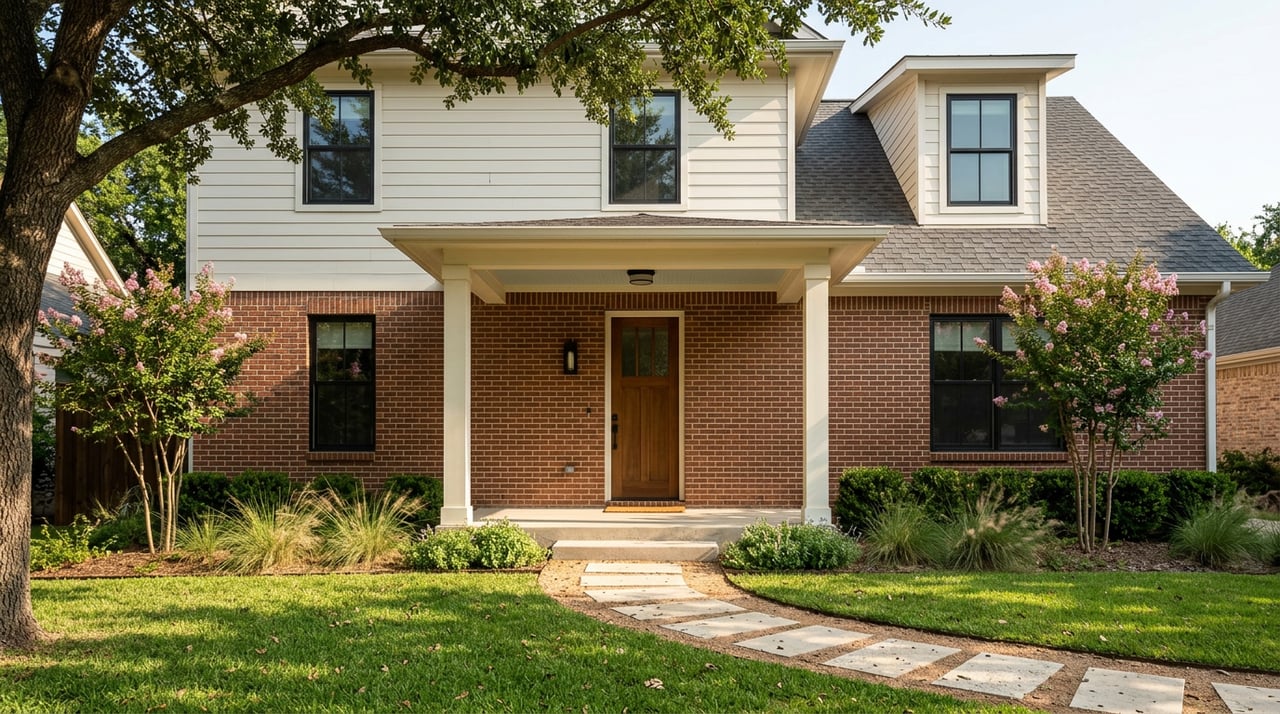
Because so much of Round Rock’s housing stock was built after 1980, many starter homes here feel relatively modern in layout. You may see open living areas, attached garages, and practical bedroom counts instead of highly customized floor plans.
That can be a plus if you want predictability. It can also make it easier to compare homes side by side because many of them were built in similar eras with similar subdivision patterns.
The biggest tradeoffs to compare
Price versus yard size
One of the clearest Round Rock tradeoffs is yard space versus purchase price. Higher-density single-family homes, zero-lot-line homes, and village-style layouts can help bring costs down, but they often do that by shrinking the lot or shifting some outdoor space into shared areas.
If you want more private yard space, you may need to stretch your budget or expand your search criteria. If your priority is getting into the market sooner, a smaller lot may be a reasonable compromise.
Commute versus home cost
Round Rock is about 15 miles north of Austin, which makes it attractive for buyers who want suburban housing while staying connected to the larger metro. Local transit options include CapMetro Route 980 from the Round Rock Transit Center toward downtown Austin, Routes 50 and 152, and Round Rock Rides for on-demand service within city limits.
Even with those options, many buyers still plan around driving or park-and-ride routines. Census Reporter lists the mean travel time to work at 24.9 minutes, so commute planning should be part of your home search from the start.
HOA dues versus monthly flexibility
Some Round Rock starter-home options come with mandatory property owners association membership. When that applies, buyers in Texas can receive association details before closing through the required addendum process.
The practical point is simple: HOA dues and rules are part of affordability, not an afterthought. A home with a lower list price may not feel meaningfully cheaper if the monthly dues change your overall payment comfort level.
Newer construction versus potential repairs
Because many Round Rock homes were built in the late 20th or early 21st century, you may find fewer very old homes than in some other markets. That can reduce some age-related unknowns, but it does not remove the need to compare condition carefully.
The year built still matters. Two starter homes at similar prices can lead to very different near-term costs depending on maintenance history, updates, and overall wear.
How to compare starter homes wisely
When you tour homes in Round Rock, it helps to look past the headline price and compare the full picture. The most useful questions are often the simple ones.
Ask yourself:
- Is the home subject to a mandatory HOA?
- What are the dues, and how do they affect your monthly budget?
- Is the lot standard, small-lot, common-lot, or zero-lot-line?
- How much private outdoor space do you actually want?
- What year was the home built?
- How much money do you want to reserve for repairs or updates?
- What will your commute look like on a normal weekday?
These questions matter because two homes with similar bedroom counts can live very differently day to day. One may offer a lower purchase price but less yard, more rules, or a tougher commute pattern. Another may cost more upfront but fit your routine better.
Why Round Rock works for many first-time buyers
Round Rock continues to attract attention because it offers a practical middle option in the north Austin area. The city’s median sale price is lower than Austin, Cedar Park, and Georgetown, yet the housing stock still includes many detached homes rather than forcing buyers into a condo-heavy search.
That does not make Round Rock cheap, and local officials have identified affordability as a major housing issue as costs have risen faster than wages. Still, for many buyers, Round Rock offers a workable balance of home type, location, and relative value.
The key is going in with clear priorities. If you know your comfort level on budget, lot size, HOA costs, and commute time, you can sort through options much faster and avoid falling for a home that only looks affordable on the surface.
If you want help weighing specific Round Rock starter-home options, Matt Prewett offers clear, low-pressure guidance to help you compare homes, spot tradeoffs, and move forward with confidence.
FAQs
What counts as a starter home in Round Rock, Texas?
- In Round Rock, a starter home usually means a smaller single-family home, often with 2 or 3 bedrooms, rather than a condo-focused option.
How expensive is the Round Rock housing market compared with nearby suburbs?
- Recent data puts Round Rock’s median sale price at $370,273, which is below Austin, Cedar Park, and Georgetown, but above Hutto and slightly above Pflugerville.
Are most Round Rock starter homes older houses?
- Not usually. Most owner-occupied homes in Round Rock were built in 1980 or later, and more than half were built in 2000 or later.
What lot sizes should Round Rock buyers expect for entry-level homes?
- Some more affordable single-family options are on smaller lots, often around 5,000 to 6,500 square feet, and may include zero-lot-line or village-style layouts.
Why should HOA dues matter for a Round Rock starter home?
- HOA dues and rules affect your real monthly cost and daily use of the property, so they should be reviewed as part of your affordability check before closing.
Is Round Rock a good option for Austin-area commuters?
- Round Rock is about 15 miles north of Austin and offers some transit support, but many buyers still plan around driving or park-and-ride commuting.