Choosing between a condo and a house in Northwest Austin can feel like two good options competing for your budget. You want the right space, at the right monthly cost, without surprises. This guide breaks down the real tradeoffs, current local price bands, and a step-by-step checklist so you can decide with confidence. Let’s dive in.
Condos vs houses: quick compare
Condos: highlights and tradeoffs
- Lower day-to-day maintenance since the HOA usually covers exterior, grounds, and common areas. See how most condos work in Bankrate’s overview of condos.
- Often closer to major corridors and retail nodes, which can cut your commute and errands time.
- Predictable monthly HOA dues in exchange for reduced variable upkeep.
- Smaller private outdoor space, if any, which can simplify your weekends.
- Project-level rules may limit short-term rentals or set lease terms. Review HOA documents and confirm City of Austin STR rules if renting is part of your plan.
- Financing can be more complex. Some loans require the condo project to meet FHA, VA, or conventional criteria. Lenders also look at HOA reserves and delinquencies. See project-approval basics in the HUD Single-Family Handbook excerpt and Fannie Mae condo project review guidance.
Houses: highlights and tradeoffs
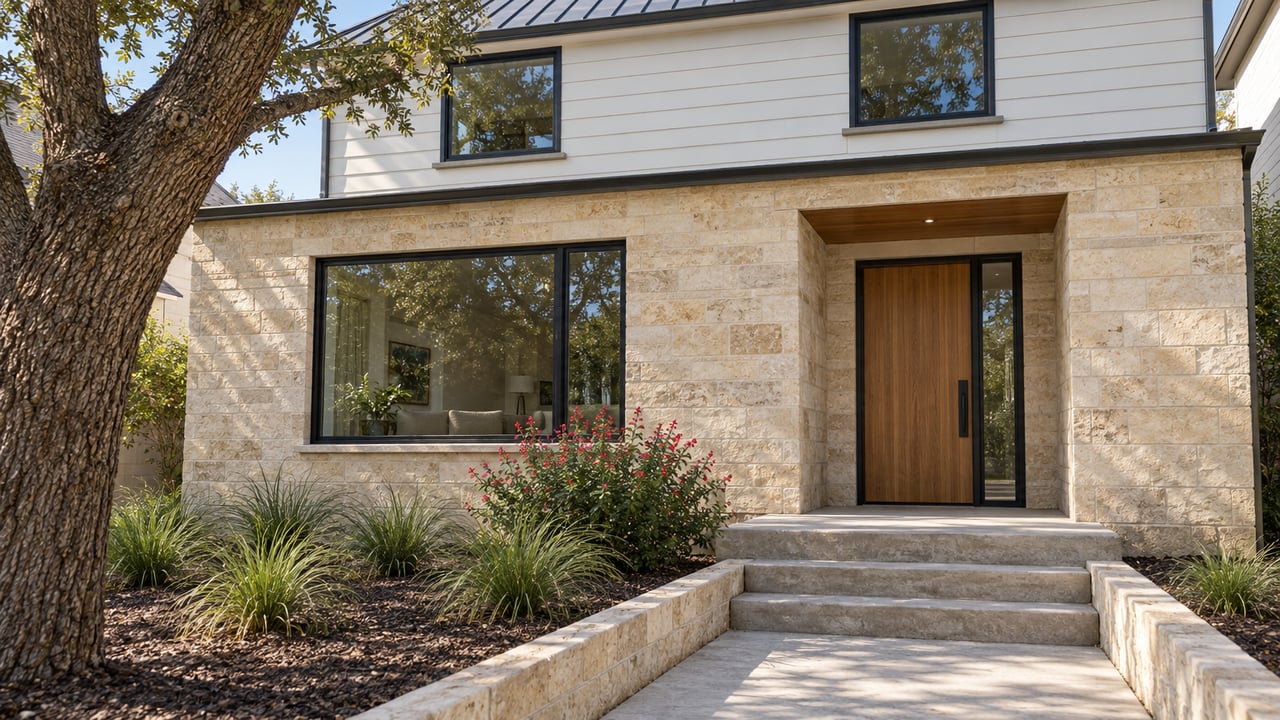
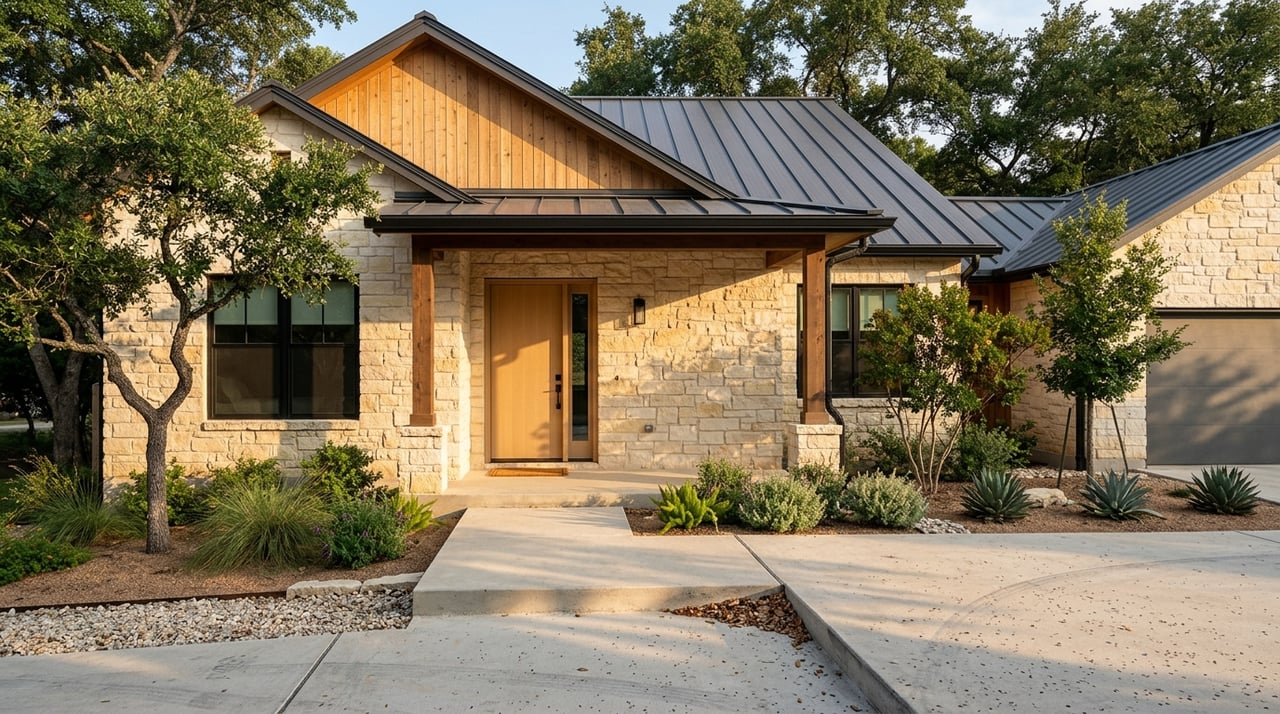
- More privacy and control over your property, including yard use and future expansions or ADUs where allowed.
- No shared walls, which can reduce noise and increase layout flexibility.
- Typically easier financing since there is no condo project review, though the home itself may cost more to buy and maintain.
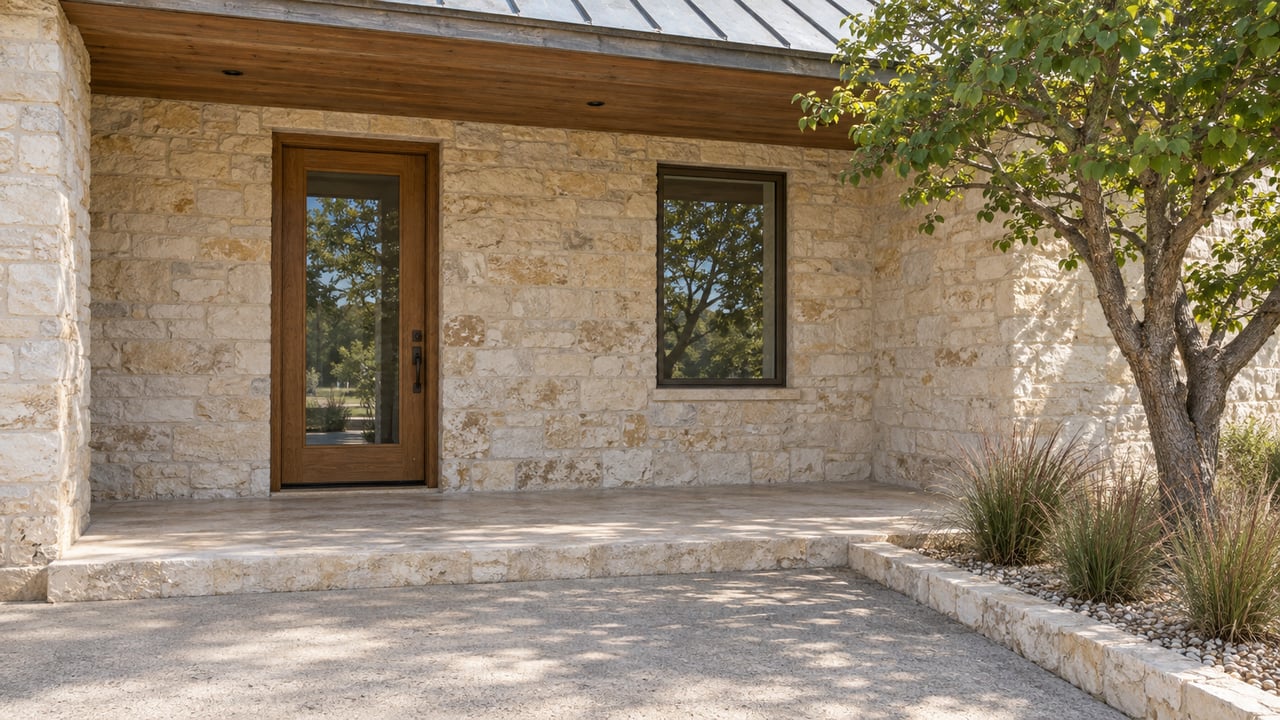
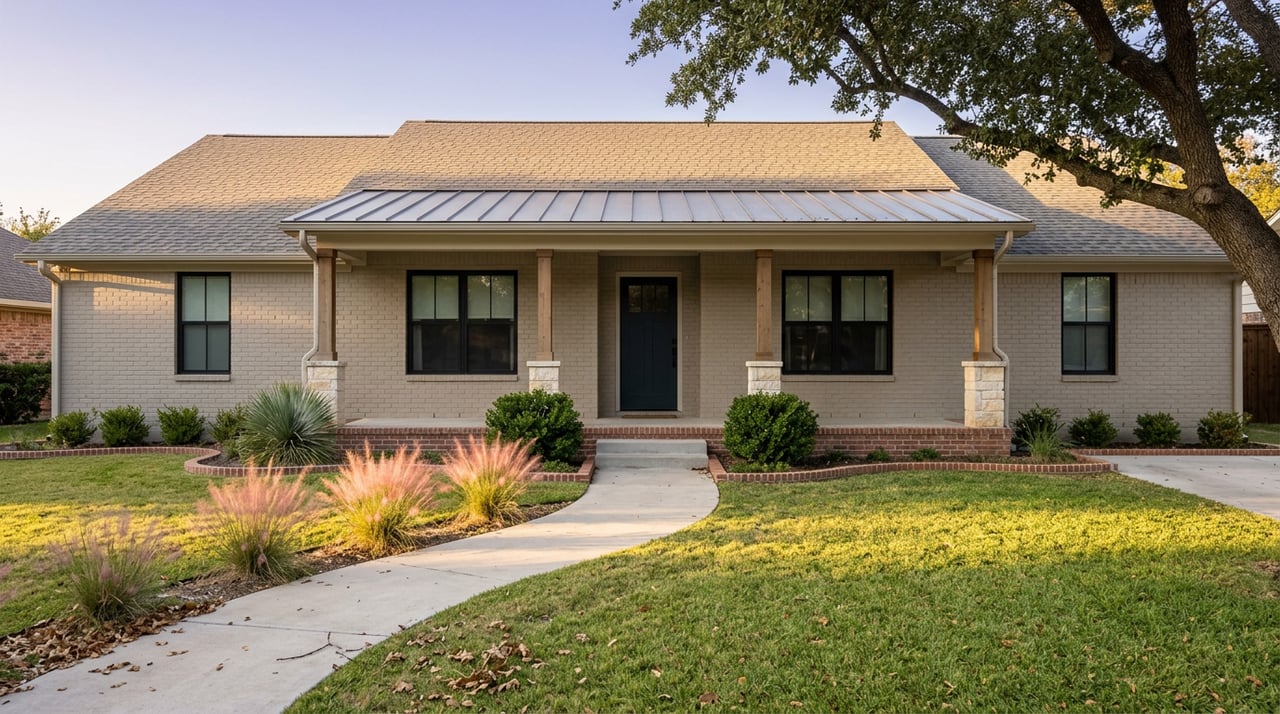
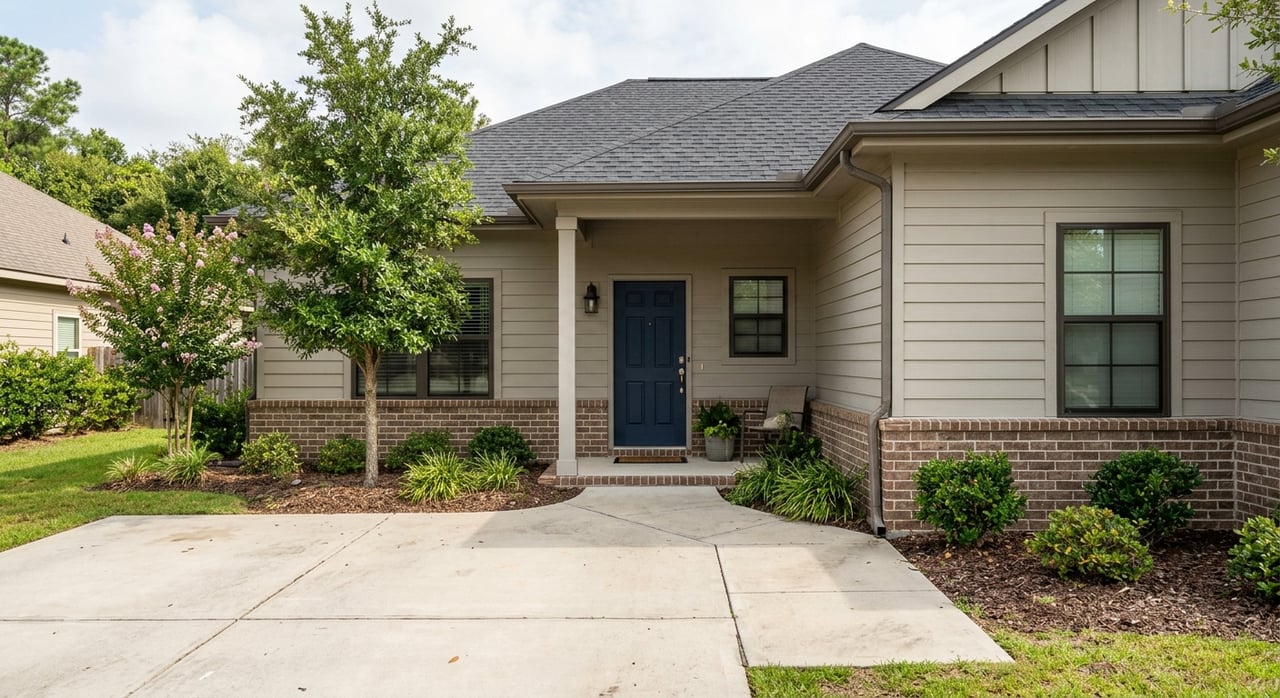
- You handle all exterior upkeep. That includes the roof, yard, fence, and driveway.
- Some neighborhoods have HOAs, but rules are usually narrower than a condo association.
NW Austin price bands at a glance
Northwest Austin spans a wide range of neighborhoods and prices. A recent market snapshot shows a median listing price around $499,900 for the broader area, while select pockets run much higher. For example, Northwest Hills and Far West have shown median sale prices near $1.045 million. Use these tiers to frame your search:
- Entry tier — condos and older townhomes: about $250,000 to $450,000. Common for first-time buyers or low-maintenance priorities.
- Mid tier — townhomes and many detached houses: about $400,000 to $750,000. Anchors near the broader NW Austin median.
- Premium tier — single-family in Great Hills, Northwest Hills/Far West, and select Steiner Ranch pockets: about $800,000 to $1 million and above, especially for larger homes or hilltop views.
Prices shift by building condition, lot size, view, and exact location. Treat “NW Austin” as several micro-markets rather than a single number.
Monthly costs to compare
- HOA dues: In local condo and townhome communities, dues can range from the low $200s to $800-plus per month, based on amenities, building age, and what is covered.
- Property taxes: Travis County rates vary by taxing entities and exemptions. Use the Travis Central Appraisal District parcel search to review a property’s tax history and entities.
- Insurance: Condo owners usually carry an HO-6 policy for interiors and contents while the HOA holds the master policy. Single-family owners carry HO-3 or HO-5 for the full structure. This guide to home insurance types and costs explains the basics. Flood coverage is separate.
- Utilities and maintenance: Condos may include some utilities or trash in the HOA. Houses place most utility and yard costs on you.
Your NW Austin buyer checklist
Use this list to avoid surprises and match your lifestyle to the right property.
Confirm your submarket and price tier. NW Austin is diverse. Study recent comparable sales for your target neighborhoods to set a realistic budget and expectations.
If buying a condo or townhome, request full HOA documents early. Ask for CC&Rs, bylaws, budget, reserve study, insurance declarations, meeting minutes, and an owner-delinquency report. Lender approval and future resale can hinge on HOA financials. Review the project-approval focus in the HUD Single-Family Handbook excerpt and Fannie Mae’s project review guidance.
Ask what the HOA fee covers. Water, exterior insurance, reserves, trash, and amenities vary by community. Build a sample monthly total so you can compare apples to apples with a house.
Check rental rules at both levels. HOAs can limit short-term rentals or set lease terms, and the City of Austin licenses STRs. Read how HOAs commonly handle STRs in Texas, then confirm City of Austin short-term rental rules for your plan. Helpful overview: how HOAs manage STRs in Texas.
Verify loan fit before you write an offer. Some condos are not eligible for FHA, VA, or certain conventional loans. Your lender should confirm project eligibility up front. VA buyers can also review this overview of buying a condo with a VA loan.
Run property-specific cost checks.
- Taxes: Use TCAD’s parcel search to see taxing entities, prior bills, and to factor exemptions.
- Flood risk: Check the FEMA Flood Map Service Center. Lenders may require flood insurance if the property lies in a Special Flood Hazard Area.
- Insurance: Compare an HO-6 for condos with an HO-3 or HO-5 for houses using this plain-English insurance guide. Make sure the HOA master policy and your policy align with no gaps.
Commute and daily logistics. Map your drives to work, groceries, and parks. In NW Austin, note access to Loop 1 (MoPac), US 183, and RM 620, plus parking rules in the community and on nearby streets.
Resale signals and future flexibility. For condos, ask about owner-occupancy levels and any rental caps since those can affect buyer demand and lending. For houses, check lot size and local zoning to understand potential for additions or an ADU.
Translate your priorities. List must-haves vs nice-to-haves. Examples: privacy and a yard, or lock-and-leave living. Lower monthly HOA, or lower yard costs. Flexibility to rent, or strict stability. Tie these to your budget range above.
Which fits you best?
If you want low maintenance, predictable shared costs, and a location close to daily needs, a condo or townhome may fit your life now. If you value privacy, outdoor space, and maximum control over your home, a single-family house may be worth the extra upkeep. In NW Austin, you will find strong options on both paths across entry, mid, and premium tiers.
When you are ready, we will help you run local comps, request and review HOA documents, confirm loan fit, and map total monthly costs before you write an offer. For calm, straightforward guidance, reach out to Matt Prewett.
FAQs
What should first-time buyers compare for condos vs houses in NW Austin?
- Start with maintenance, monthly costs, commute, and rules. Condos trade lower upkeep for HOA dues and rules, while houses offer more control with higher upkeep.
How do property taxes work in Travis County for condos and houses?
- Taxes depend on property value and taxing entities, not property type. Look up any address using the Travis Central Appraisal District to estimate the bill and check exemptions.
Can I use FHA or VA to buy a condo in Northwest Austin?
- Often yes, but only if the condo project meets program criteria. Have your lender check project approval early and see these basics: HUD Handbook excerpt and VA condo overview.
Are short-term rentals allowed in NW Austin condos and houses?
- It depends on both the HOA and the city. Review HOA governing documents and follow the City of Austin STR rules before you plan any rentals.
What insurance do I need for a condo vs a house?
- Condos typically use an HO-6 policy for interiors and contents while the HOA holds a master policy. Houses use HO-3 or HO-5 for the whole structure. See this insurance guide.
Do condo lending rules affect resale value?
- Yes, because project health, reserves, and rental mix can influence which loans buyers can use and the size of the buyer pool. See Fannie Mae’s condo project review basics.