If you are torn between Dripping Springs and Southwest Austin, you are not alone. Both areas give you access to the Hill Country feel many buyers want, but they deliver that lifestyle in very different ways. The right fit often comes down to how you weigh commute time, lot size, neighborhood feel, and day-to-day convenience. Let’s break down the tradeoffs so you can narrow your search with more confidence.
Dripping Springs vs. Southwest Austin
At a high level, this comparison is really about space and setting versus convenience and connectivity. Dripping Springs is often the pick for buyers who want a more exurban Hill Country setting, while Southwest Austin usually appeals to buyers who want to stay closer to Austin’s urban edge.
Dripping Springs describes itself as the Gateway to the Hill Country and notes that it is about 25 minutes west of Austin. Southwest Austin includes established areas in Austin’s District 8, such as Oak Hill and Circle C Ranch, and generally offers a more city-based experience.
Commute and daily drive
For many buyers, commute is the first filter. If you need regular access to downtown Austin or other central parts of the city, Southwest Austin usually gives you a shorter and more direct drive.
Circle C is often used as a benchmark for Southwest Austin, sitting about 12 miles southwest of downtown Austin. A typical drive to downtown is often described as around 15 to 20 minutes outside peak traffic, though that can vary significantly depending on time of day.
Dripping Springs sits along Highway 290, roughly 25 miles west of Austin. In practical terms, that usually means a longer drive and a more exurban feel, which can be worth it if you value extra room and a more open setting.
Who may prefer Southwest Austin
If your week includes frequent office trips, downtown dinners, or city errands, Southwest Austin may feel easier to live in. You are generally more connected to Austin’s roads, parks, libraries, and everyday services.
That convenience can make a big difference over time. A shorter drive often means more flexibility in your routine and less planning around traffic.
Who may prefer Dripping Springs
If you are comfortable trading a longer drive for more breathing room, Dripping Springs may stand out. Many buyers are willing to go farther west to get a setting that feels more removed from the city.
That choice is often about lifestyle as much as location. If open skies, a quieter pace, and a more nature-forward feel rank high on your list, the commute may feel like a fair trade.
Lot sizes and home options
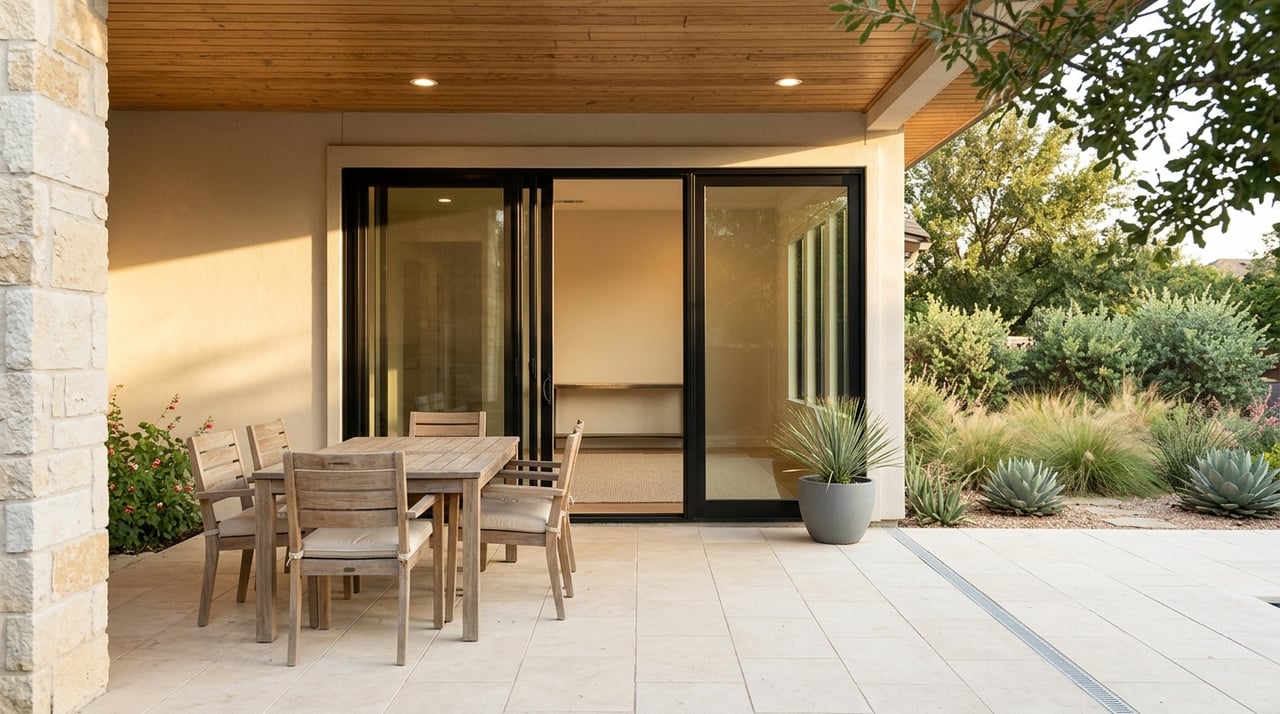
One of the biggest differences between these areas is the range of lot sizes and housing patterns. Dripping Springs more often leans toward suburban lots, estate settings, and acreage-oriented options.
The city’s planning materials describe suburban residential lots as generally ranging from 5,000 square feet to 1 acre. Estate residential is defined as 5 acres or larger, and rural residential includes homes outside a traditional suburban neighborhood pattern.
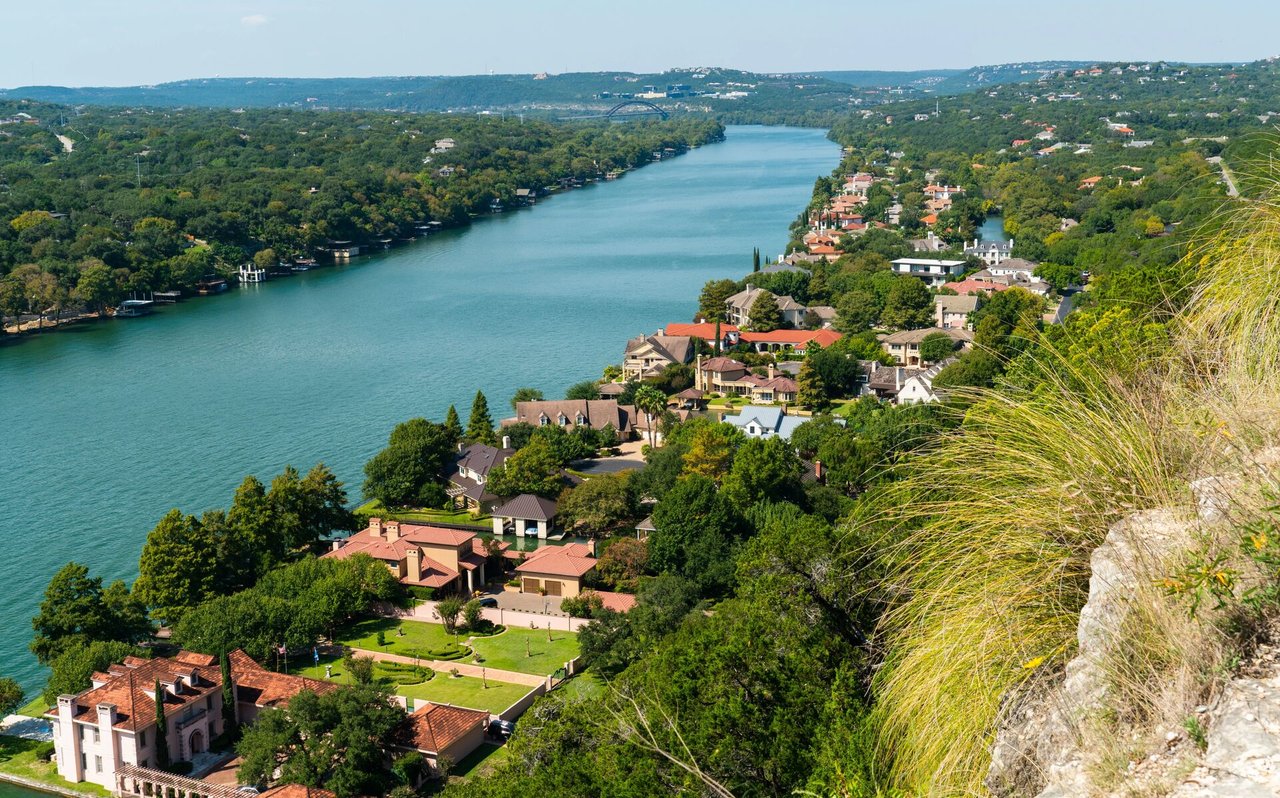
Southwest Austin offers a broader city mix. Because it sits within Austin city limits, it can include tighter infill, established suburban neighborhoods, and some larger-lot pockets in the same general area.
Austin’s HOME amendments allow small-lot single-family homes on lots from 1,800 square feet up to the standard residential minimum lot size of 5,750 square feet. That helps explain why Southwest Austin can feel denser and more varied from one pocket to the next.
What Dripping Springs housing tends to feel like
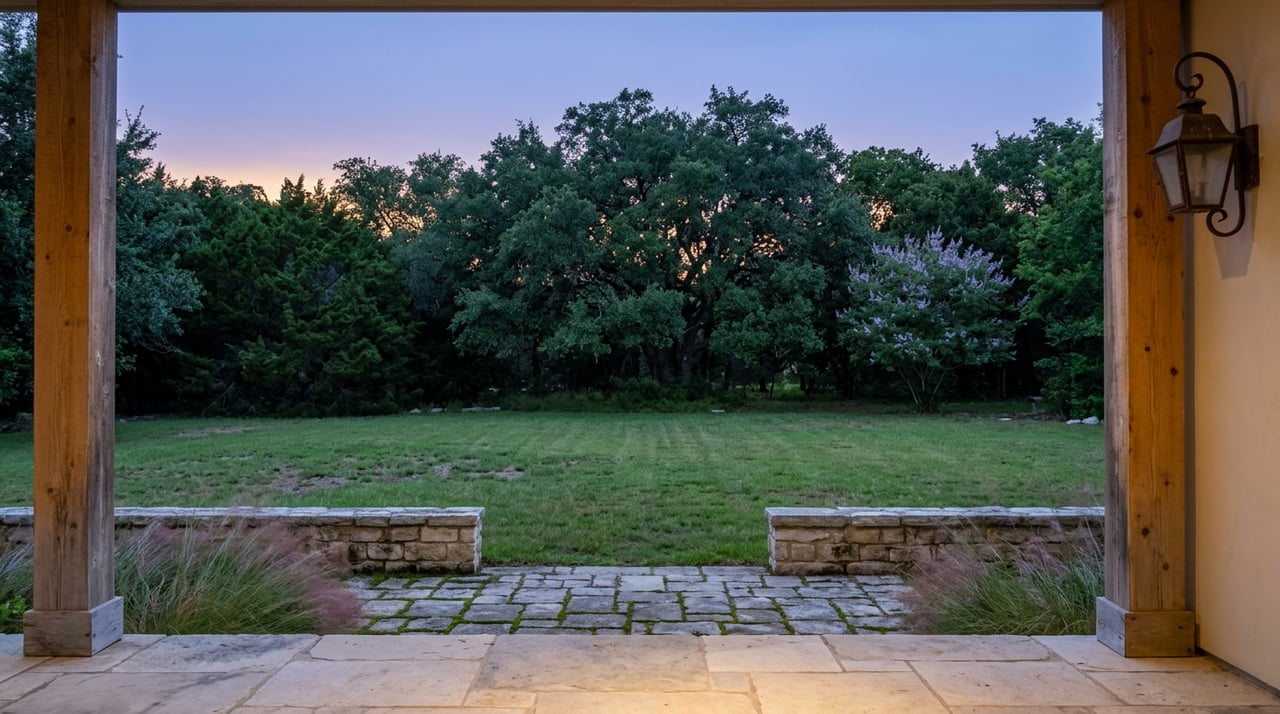
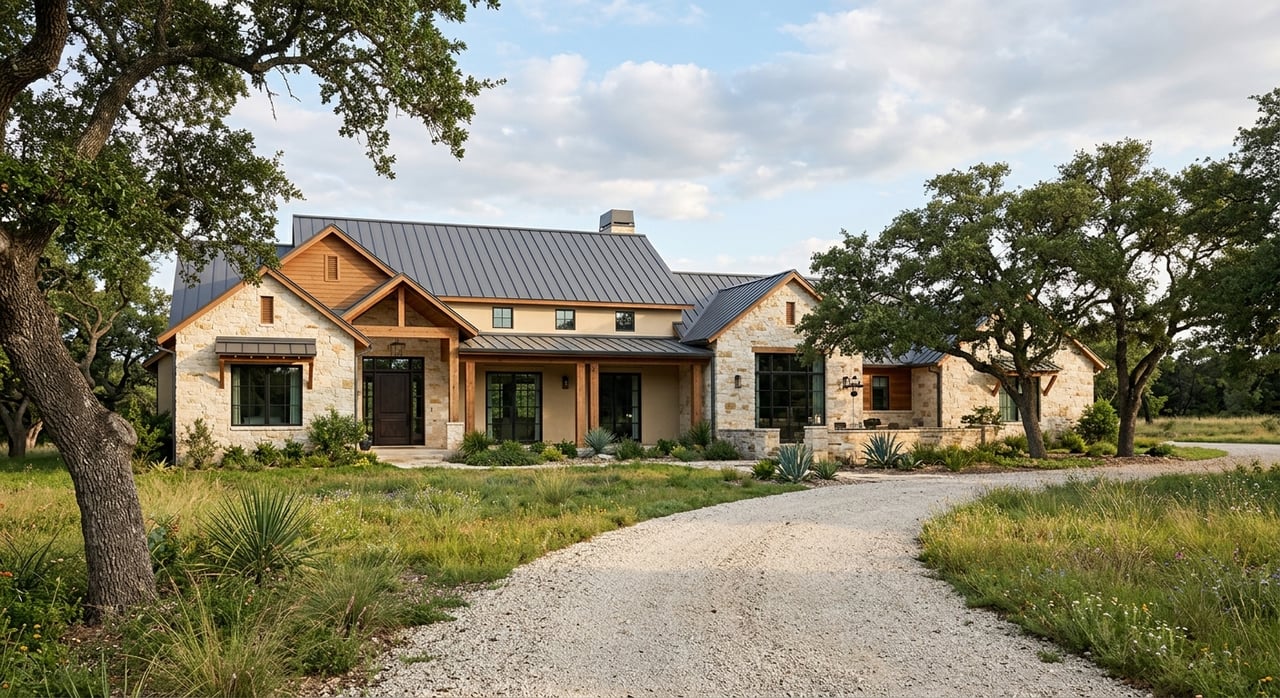
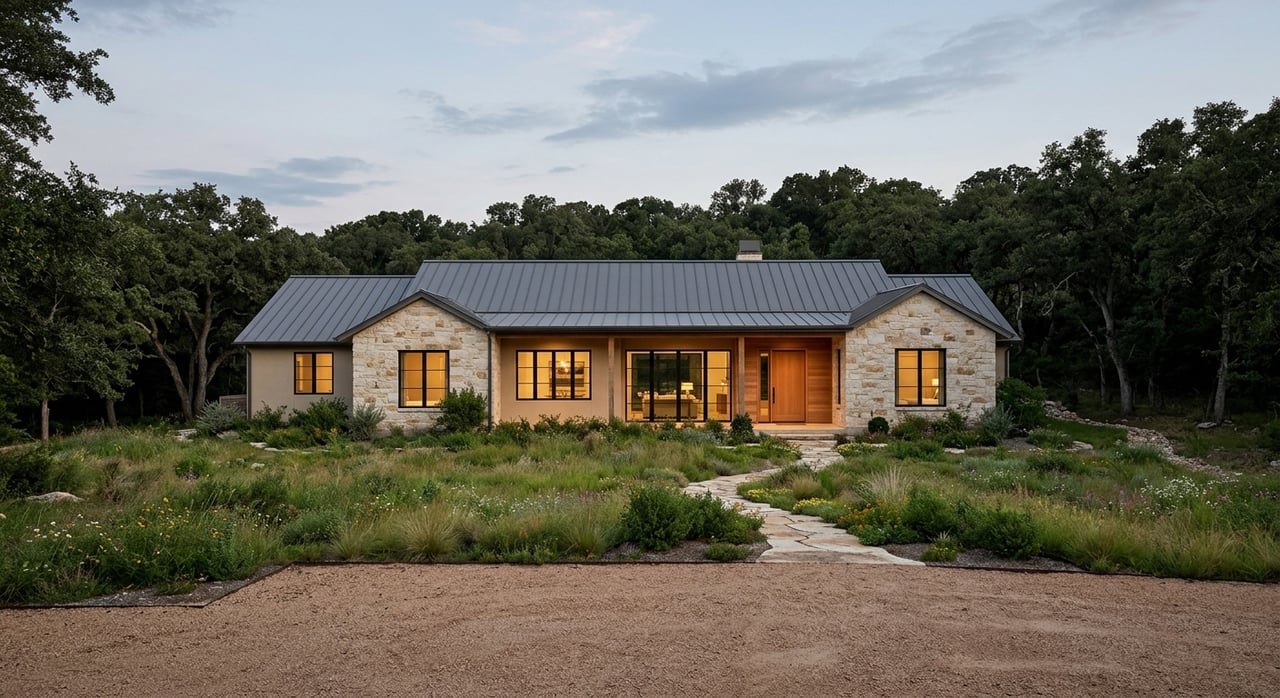
Dripping Springs often attracts buyers looking for more land, more separation between homes, or a property that feels closer to the Hill Country landscape. The city’s comprehensive planning materials also point to examples of neighborhoods with homes ranging from garden homes to estate homes on more than an acre.
That variety can be appealing if you want options beyond a standard subdivision pattern. It can also be a better fit if you are exploring land purchases or a more lifestyle-driven property search.
What Southwest Austin housing tends to feel like
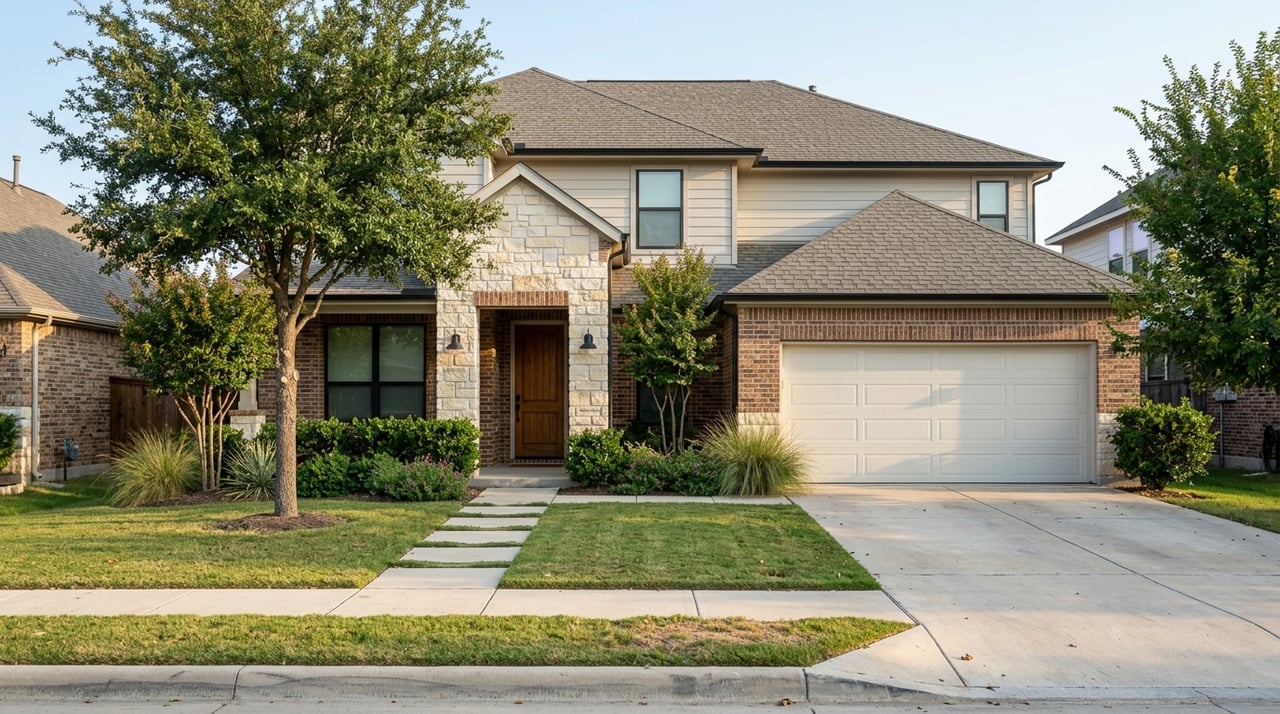
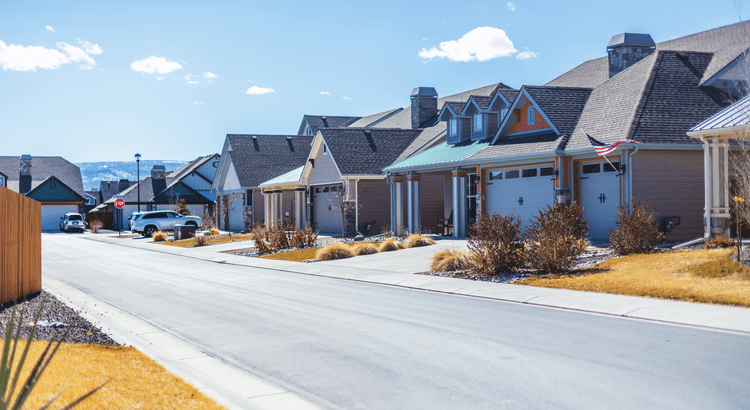
Southwest Austin usually offers more of an established suburban market. Oak Hill planning documents include a broad mix of land uses, including rural residential, single-family, higher-density single-family, mixed residential, and multifamily.
Circle C Ranch adds another layer with a master-planned setup and several neighborhood types. In older neighborhood data, the typical home in Circle C is described as nearly 4,000 square feet, showing that Southwest Austin is not only about smaller lots or infill.
Home style and neighborhood character
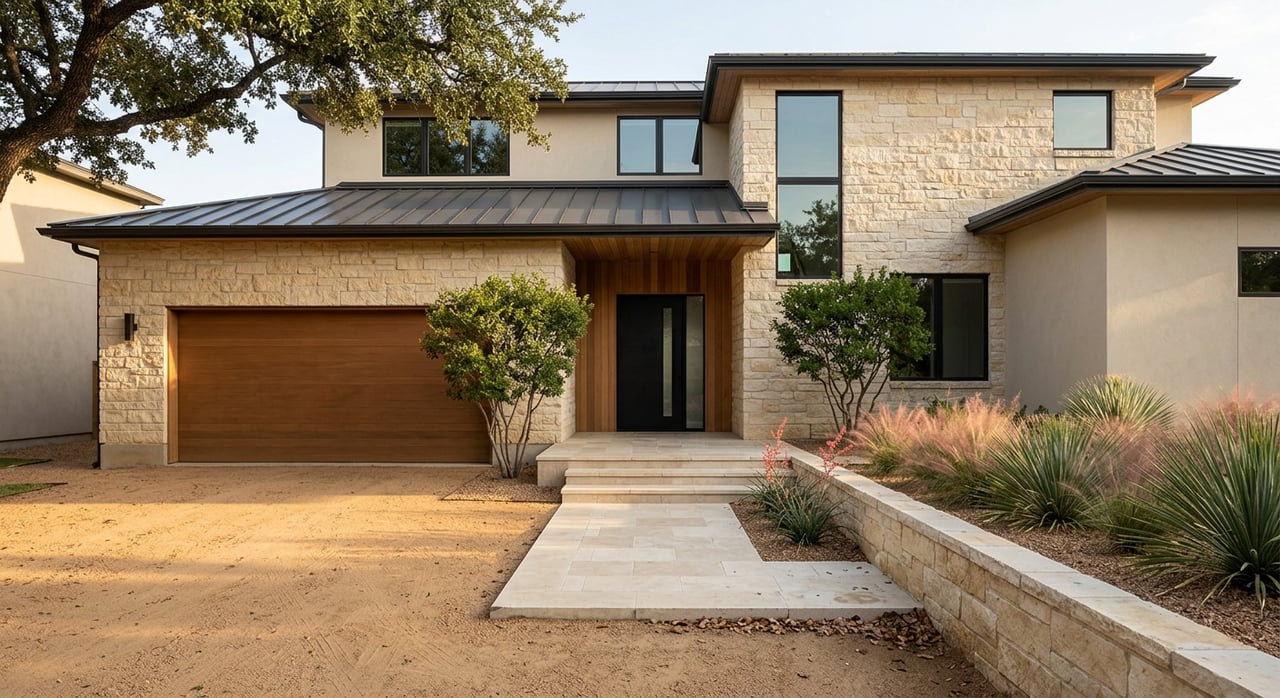
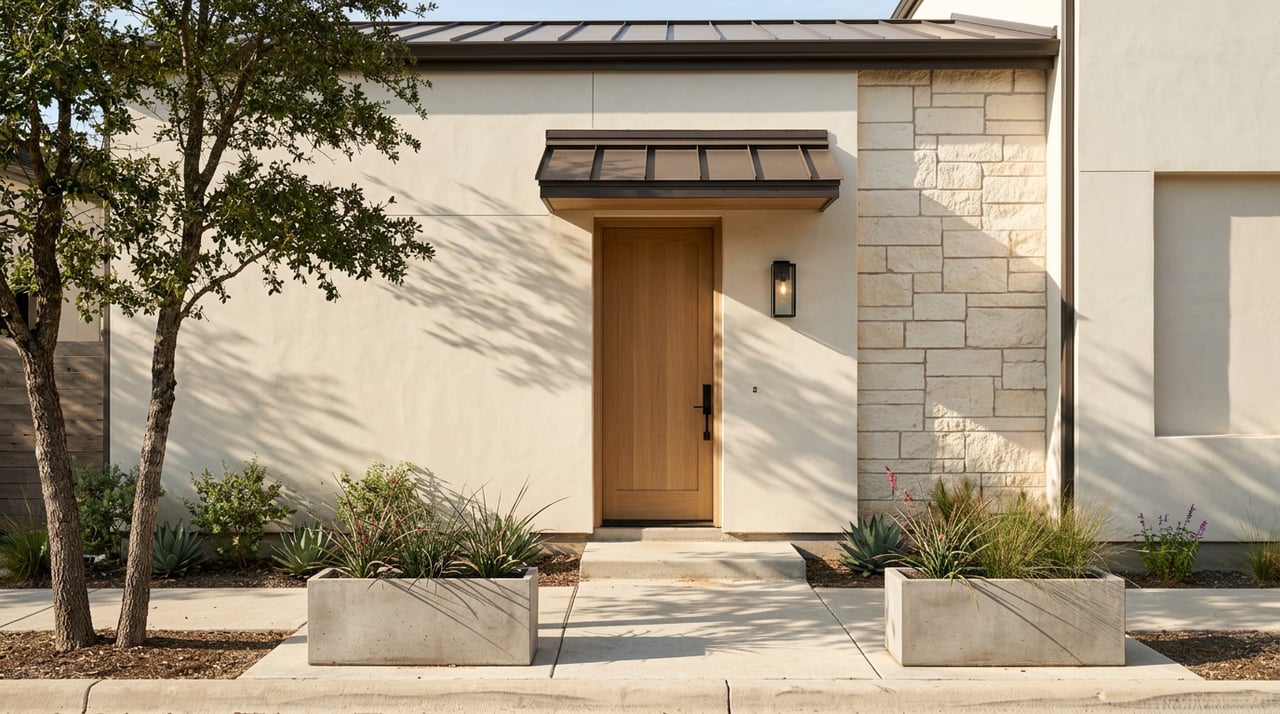
If architecture and overall atmosphere matter to you, these areas offer different kinds of appeal. Dripping Springs carries a stronger Hill Country identity, while Southwest Austin often feels more suburban and city-connected.
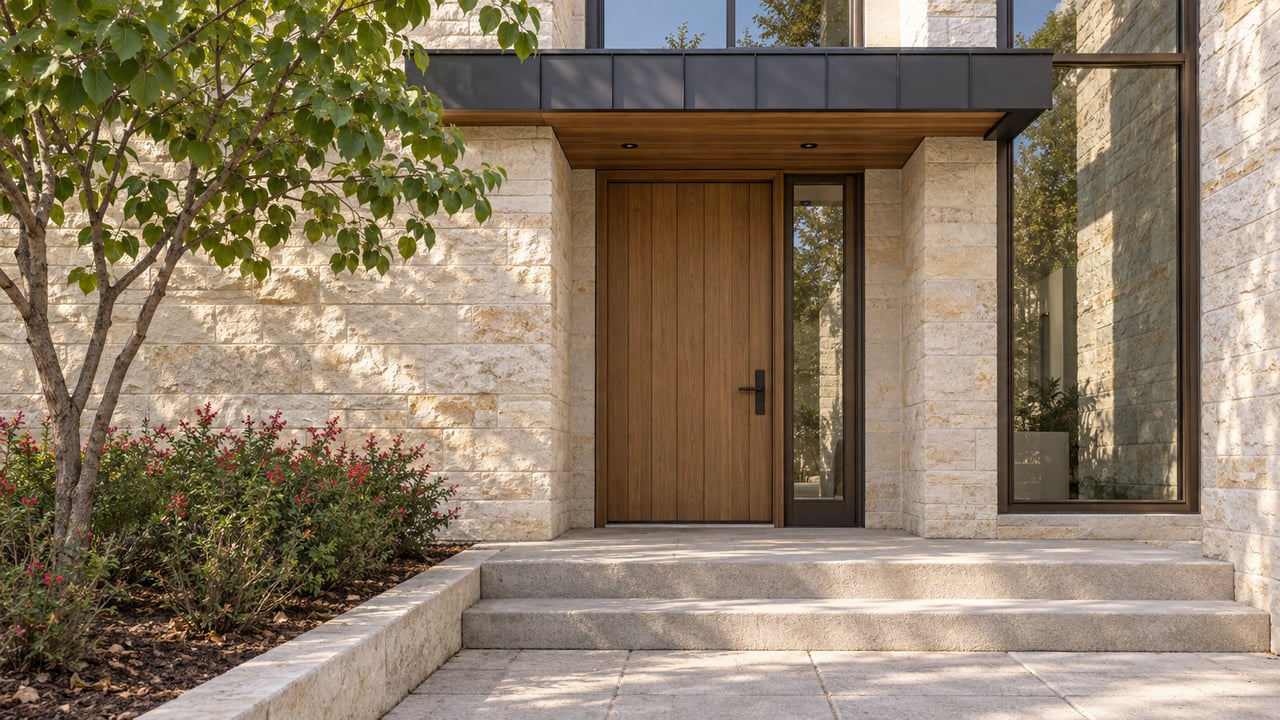
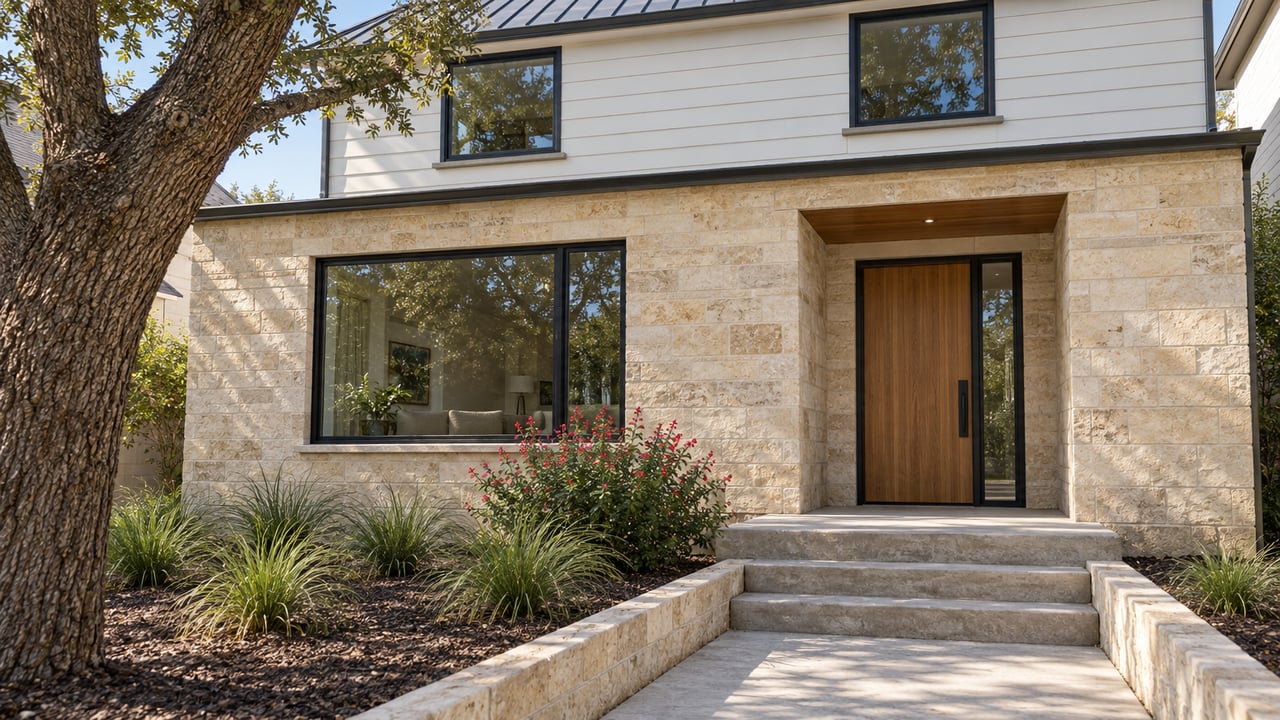
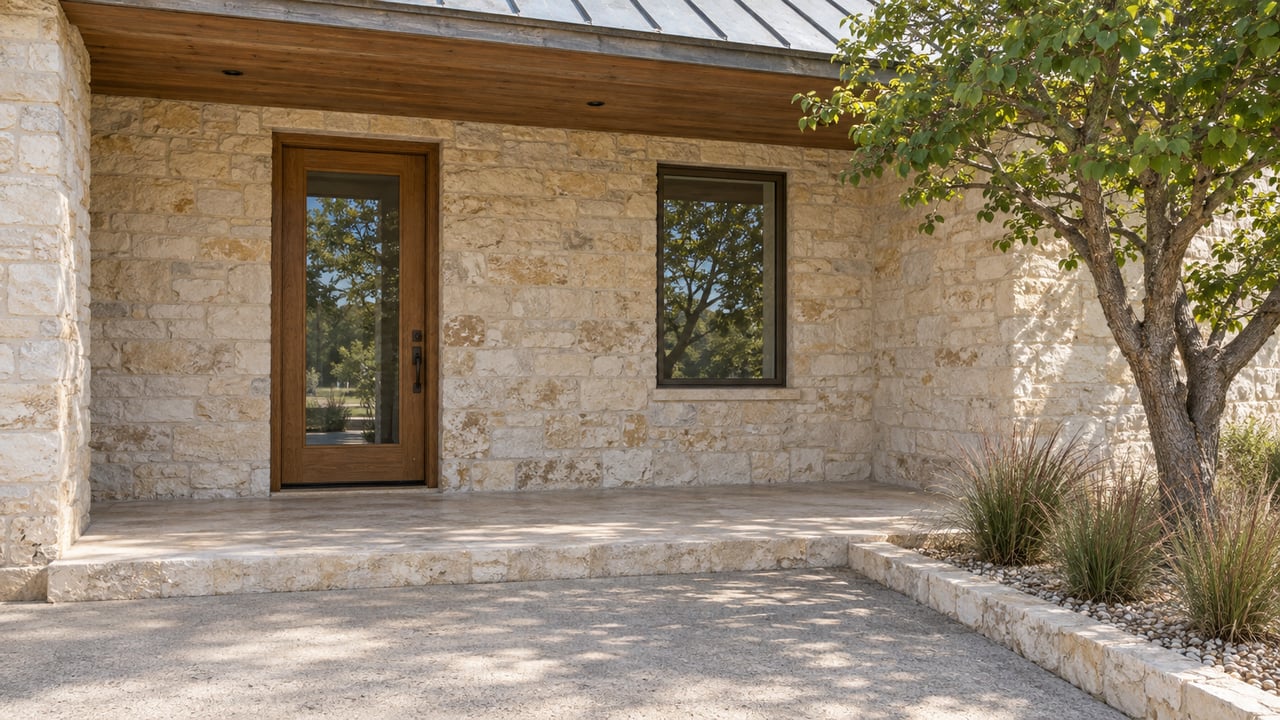
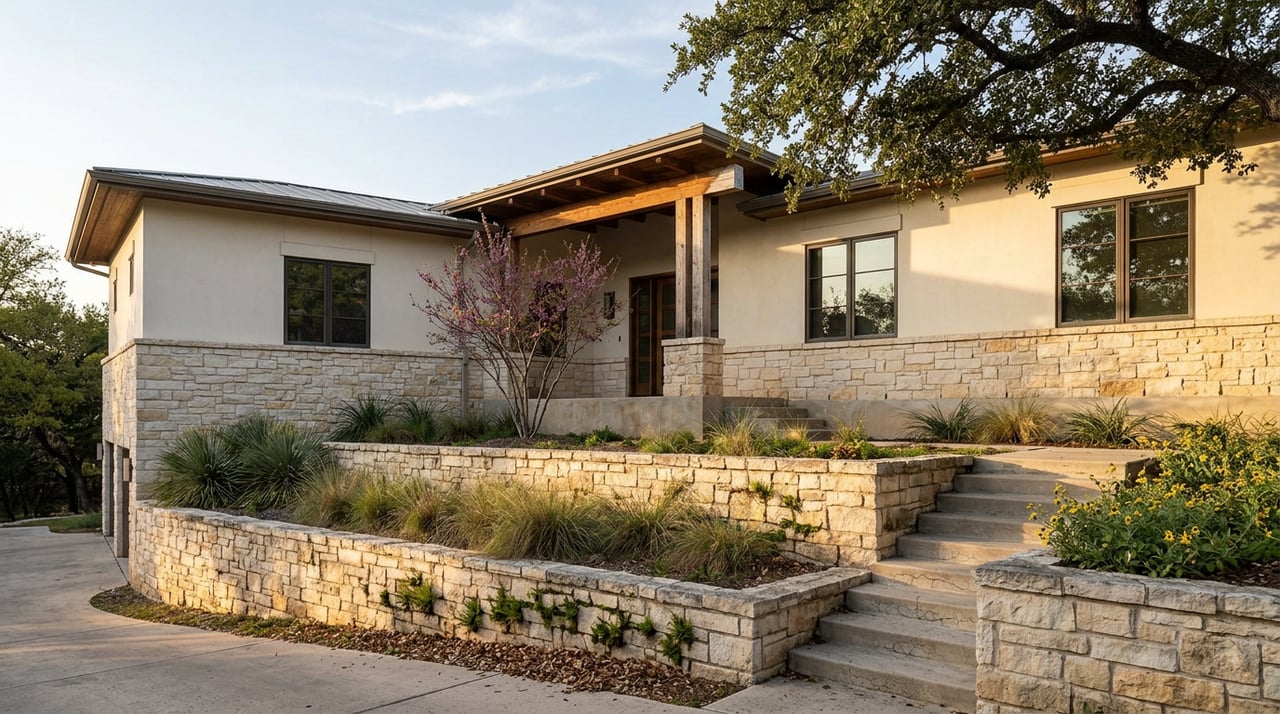
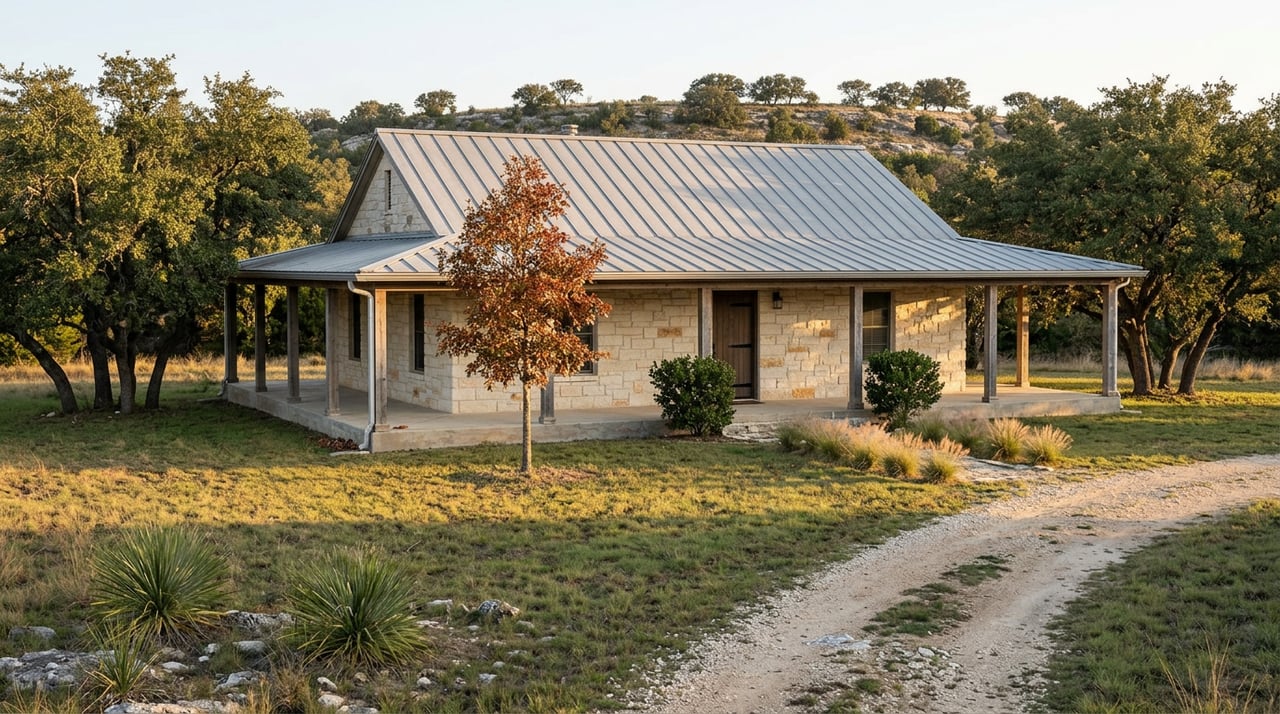
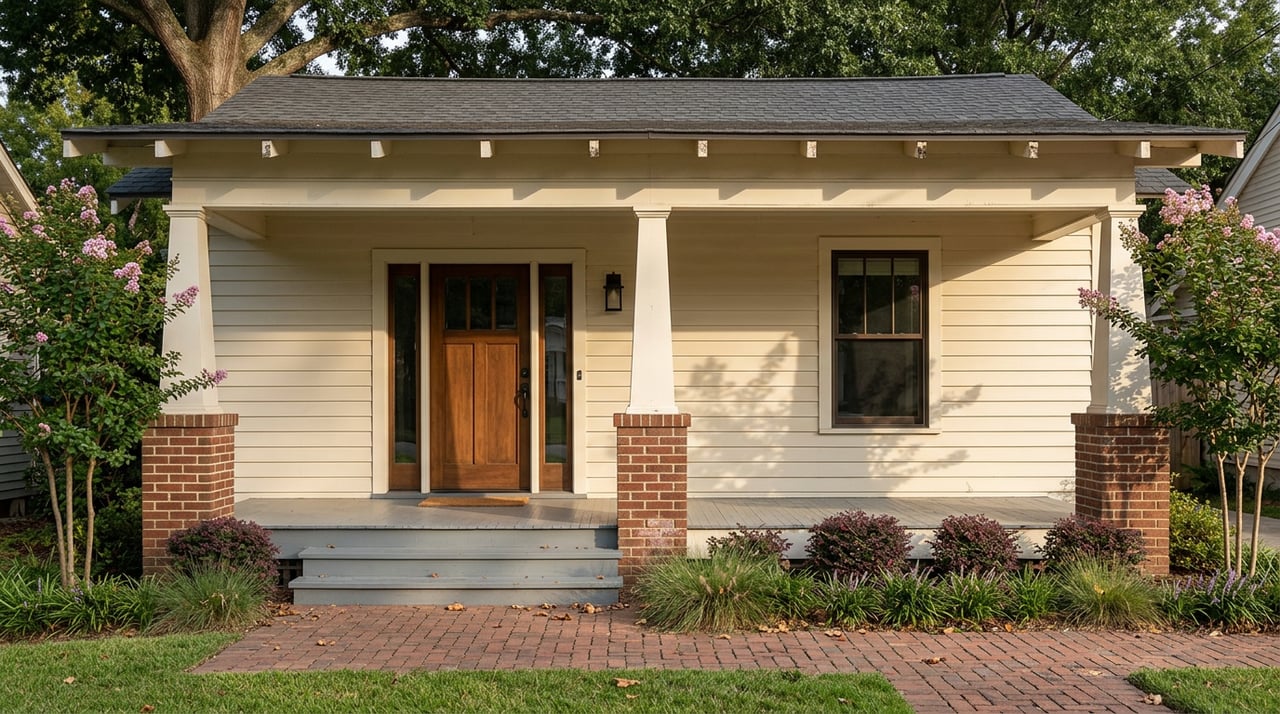
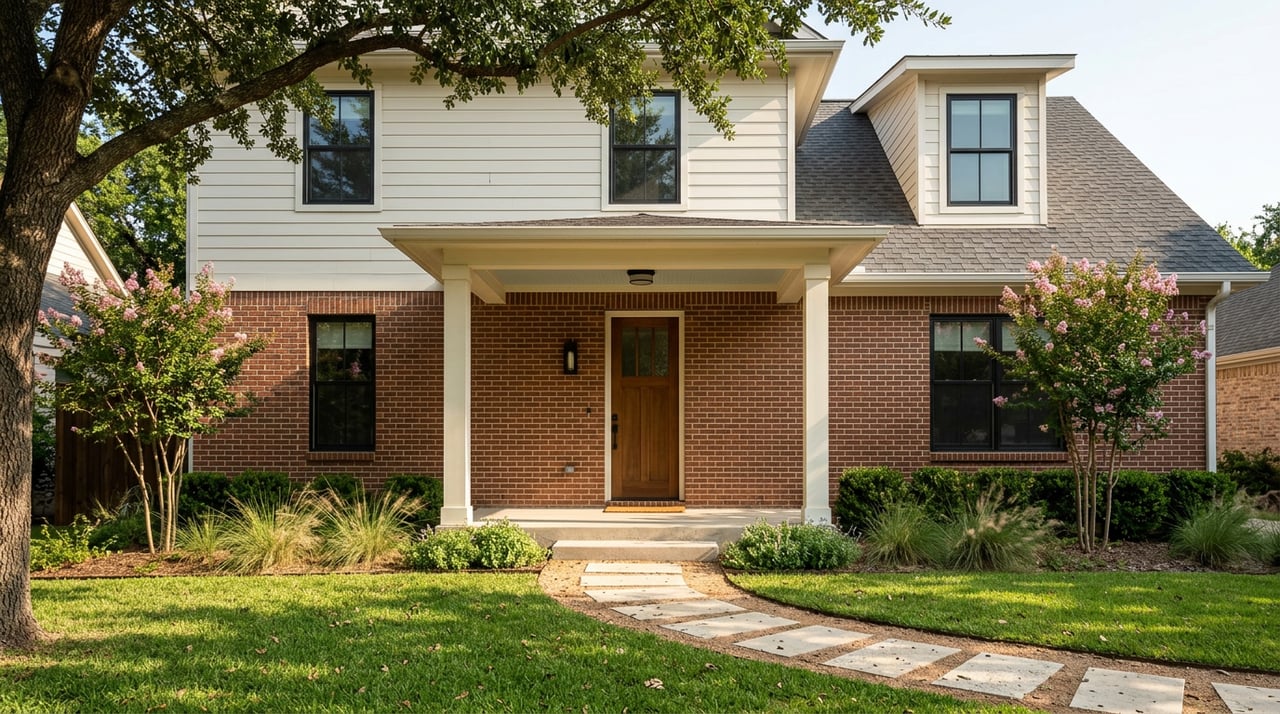
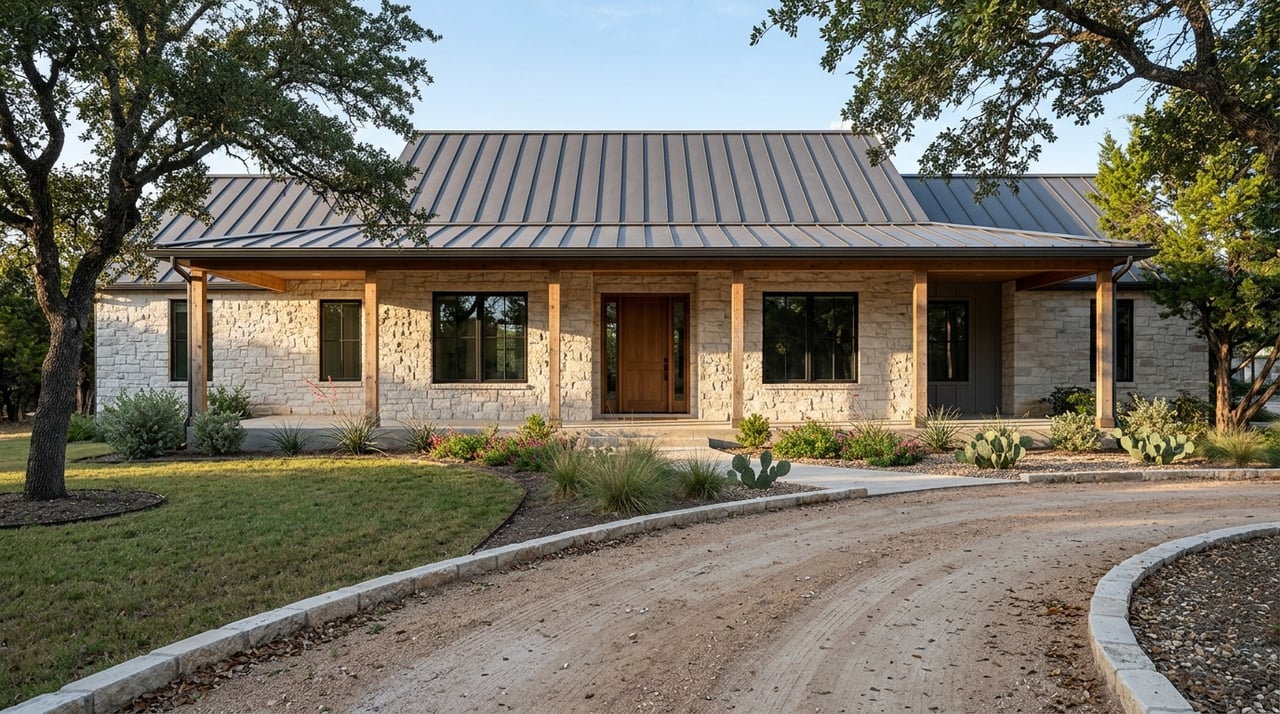
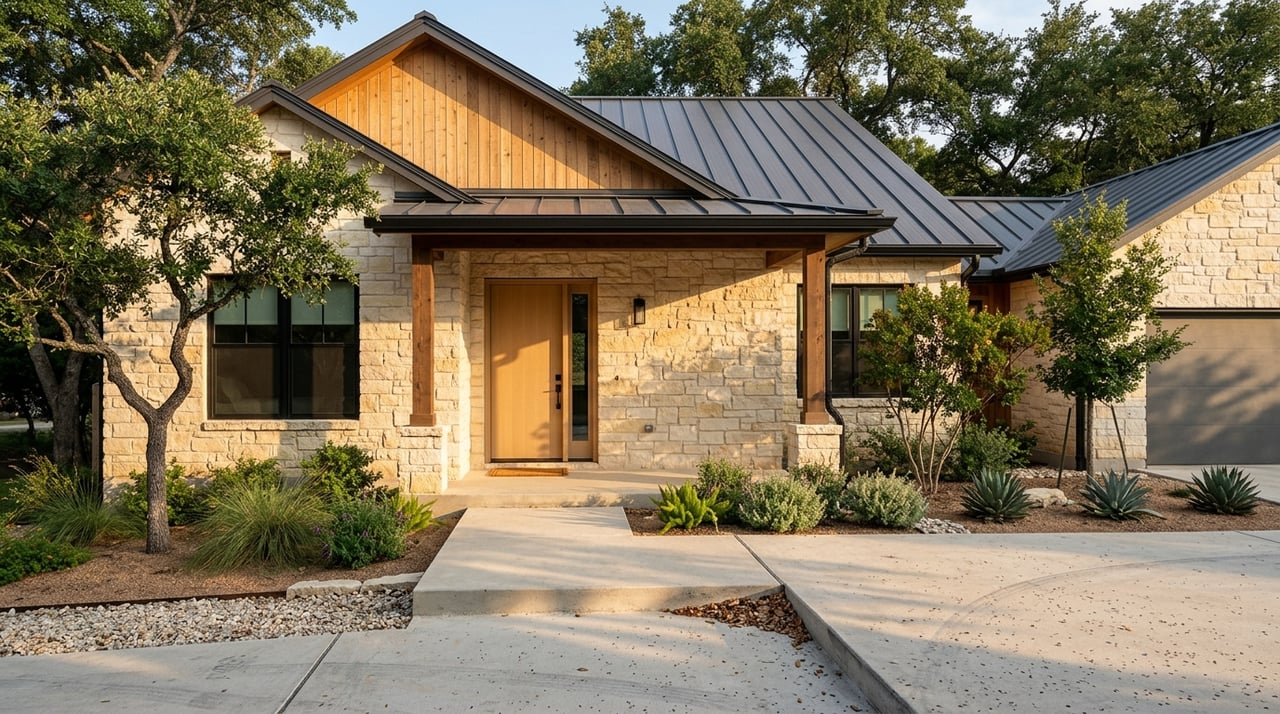
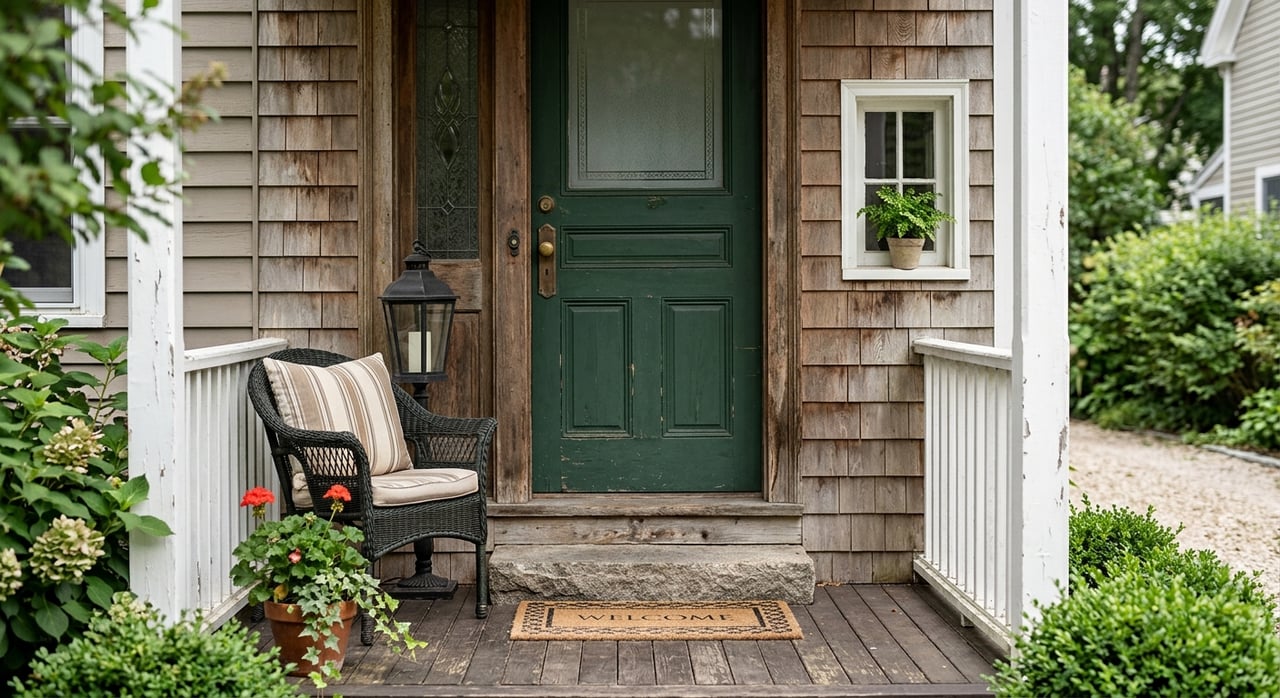
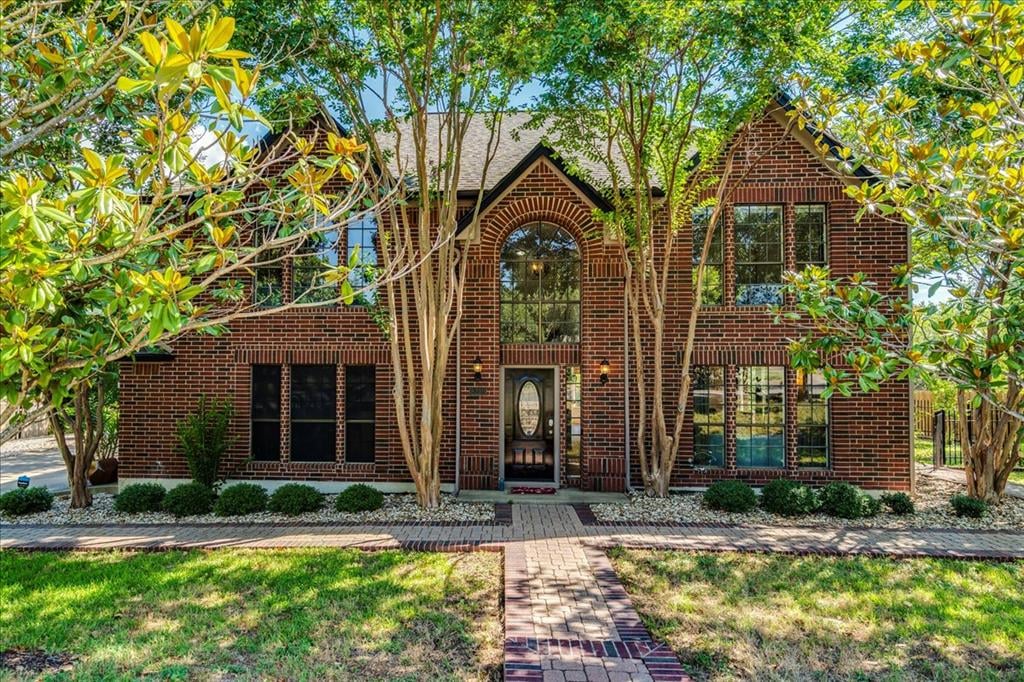
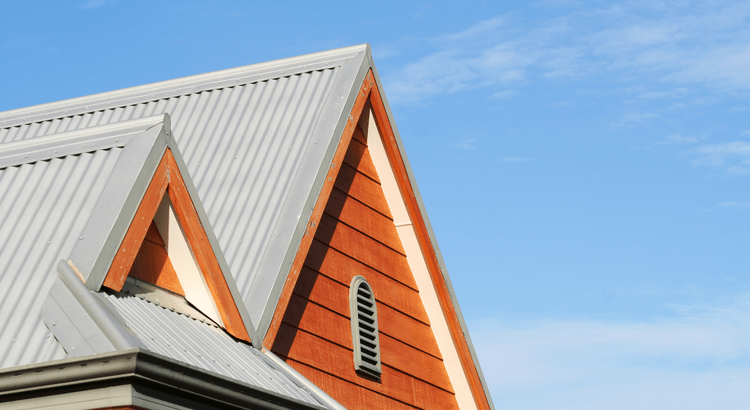
Dripping Springs’ historic district materials reference limestone and fieldstone buildings, I-house forms, and Craftsman-inspired architecture. The city’s growth plans also emphasize preserving Hill Country character, which helps shape the area’s visual identity.
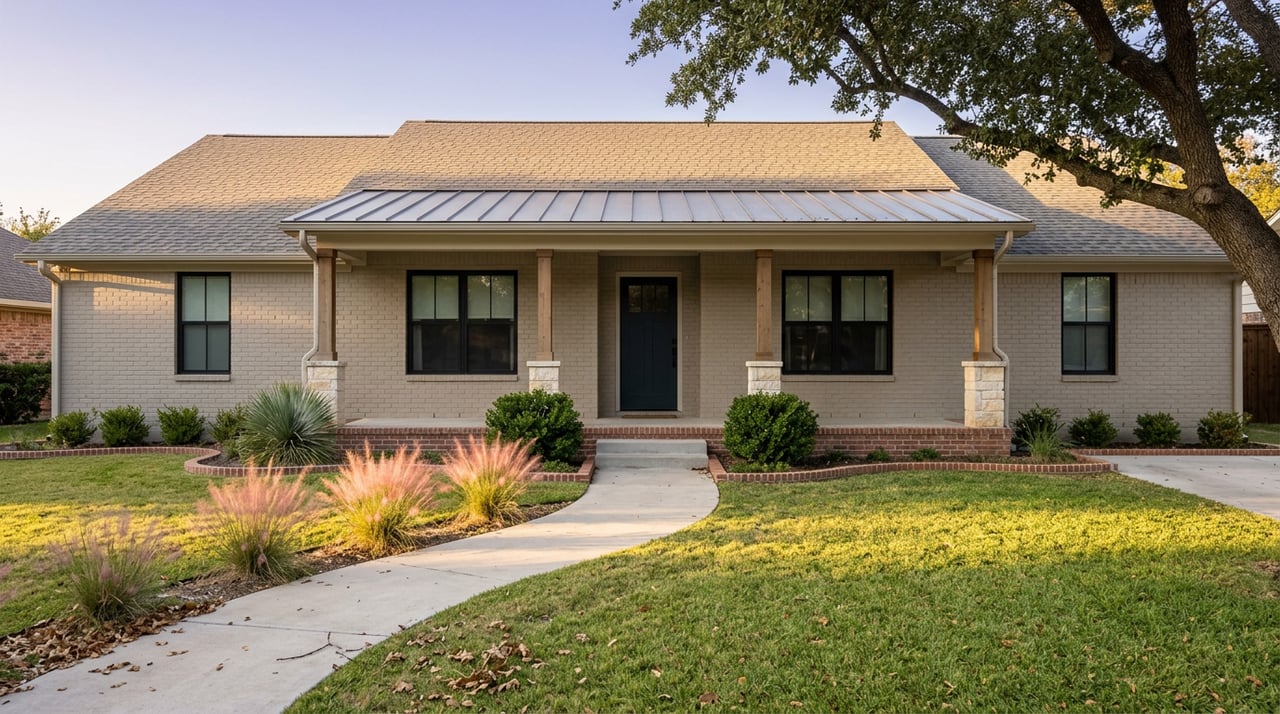
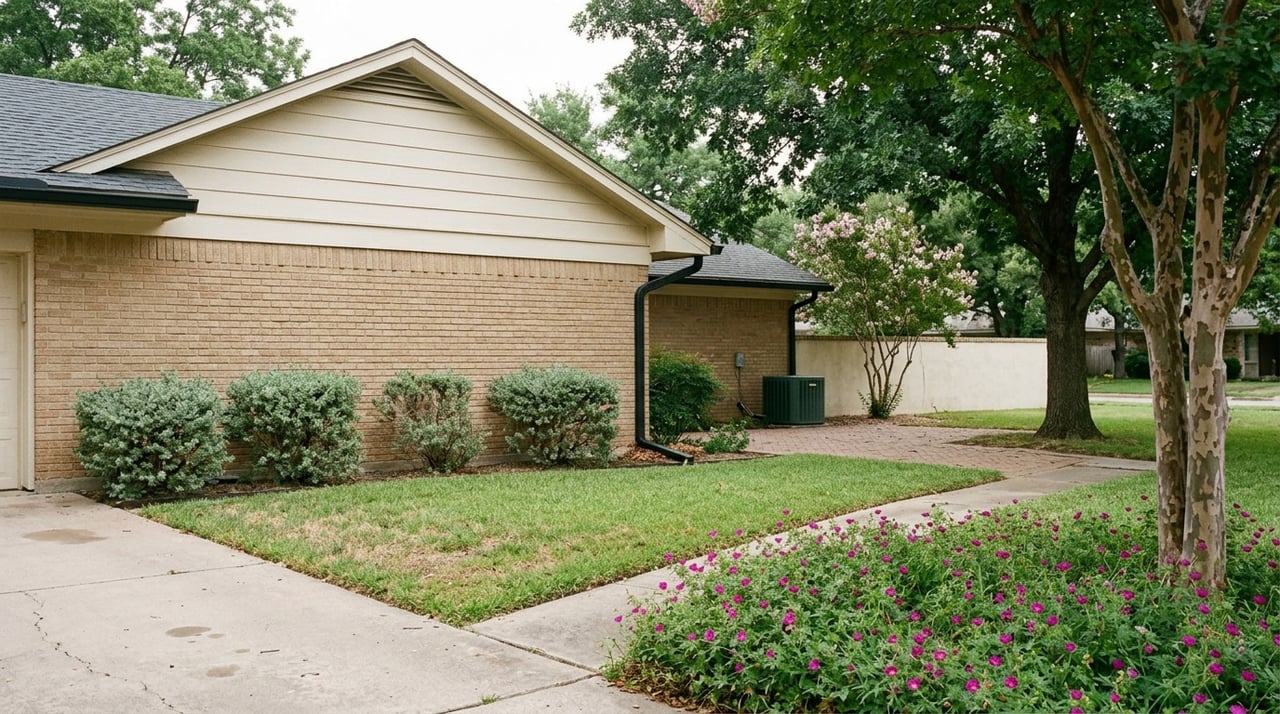
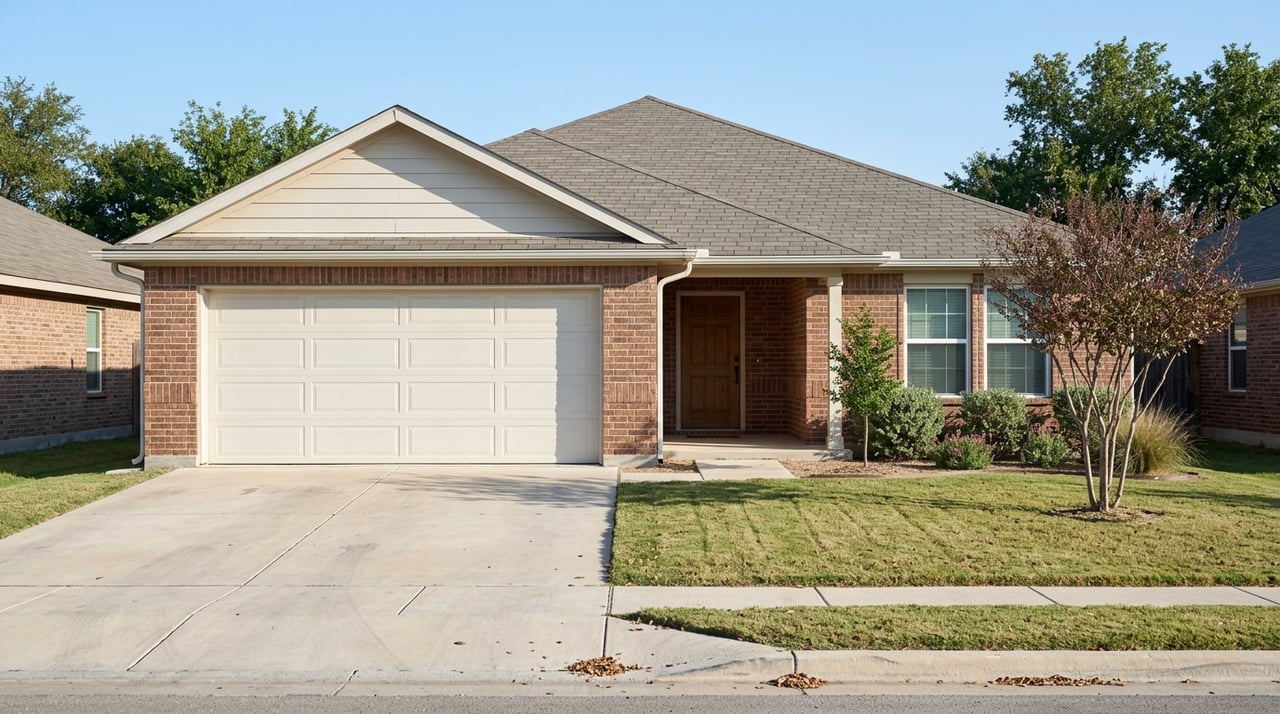
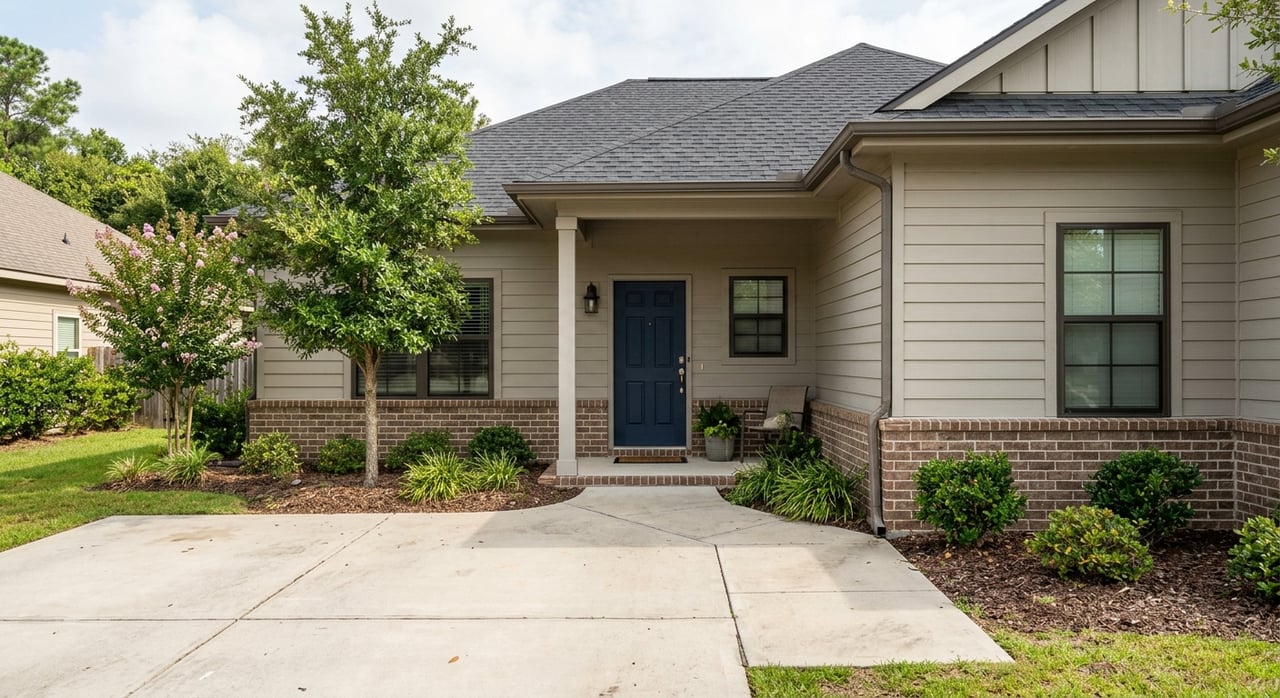
Southwest Austin tends to feel more like an established suburban market with varied neighborhood forms. You may see everything from older residential pockets to master-planned communities, along with commercial and mixed-use areas woven into the broader landscape.
Choosing the feel that fits you
If you picture a home search that includes more rustic materials, open land, and a stronger Hill Country sense of place, Dripping Springs may align better with your goals. If you want an established neighborhood environment with easier access to city amenities, Southwest Austin may feel more practical.
Neither option is automatically better. It depends on whether you want your home environment to feel more rural-edge or more plugged into Austin.
Parks, trails, and recreation
Lifestyle matters just as much as the house itself. Both areas offer outdoor access, but the experience is different.
Dripping Springs highlights shopping, live music, craft breweries, wineries, parks, and a small-town feel. The city says it currently has five unique parks, plus the future Rathgeber park.
Ranch Park is a 130-acre park and event center with 6.2 miles of multi-use trails, equestrian activity, and wildlife and open-space elements. The future Rathgeber park will add 300 acres and increase city parkland from 271 to 571 acres once complete.
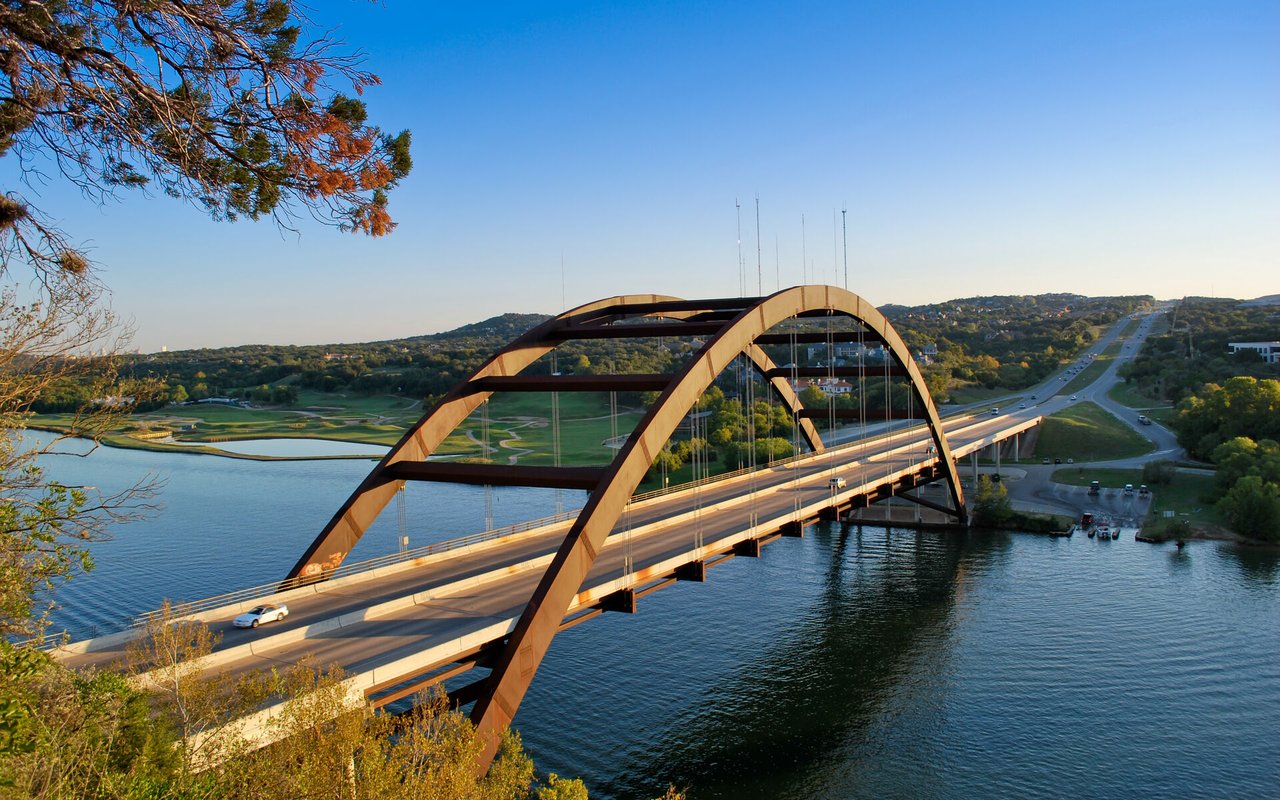
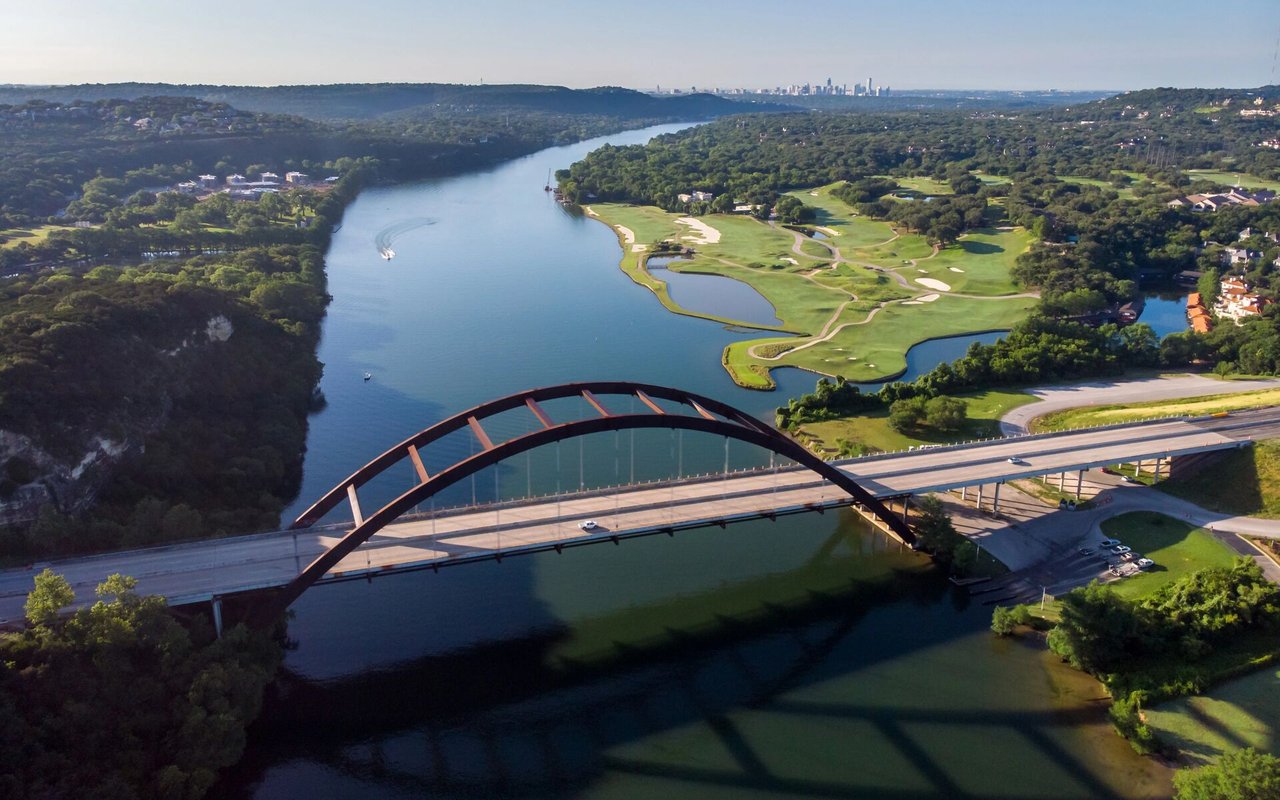
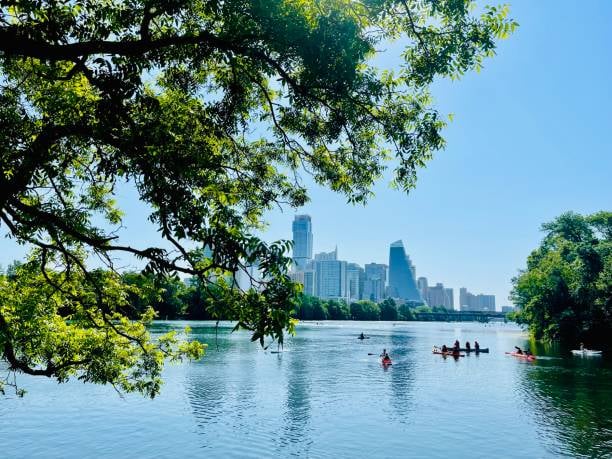
Southwest Austin offers a denser city-side recreation network. District 8 includes major Austin destinations such as Zilker Park, Barton Springs Pool, the Barton Creek Greenbelt, and the Lady Bird Johnson Wildflower Center.
The area also includes the Hampton Branch at Oak Hill library, the Veloway at Circle C Ranch Metropolitan Park with its 3.1-mile bike and skate track, and the expanding Violet Crown Trail connection through Circle C toward Hays County.
Dripping Springs lifestyle highlights
Dripping Springs stands out for buyers who want open space to be part of everyday life. Its trail systems, event spaces, and larger park acreage support that outdoor-first feeling.
It also has a distinct dark-sky identity. The city says it became Texas’ first International Dark Sky Community in 2014, which is a meaningful draw if you value night views and a less urban environment.
Southwest Austin lifestyle highlights
Southwest Austin may be the better fit if you want easier access to some of Austin’s best-known parks and recreation spots. The area gives you a stronger blend of neighborhood convenience and outdoor amenities.
That can be especially helpful if your ideal weekend includes a mix of trails, errands, dining, and city activities without a longer drive back home.
A simple way to decide
If you are still comparing both areas, start with the four biggest decision points:
- Commute: Southwest Austin is generally closer to downtown and more tied into city life.
- Lot size: Dripping Springs more often offers suburban, estate, and acreage settings.
- Home feel: Dripping Springs leans more Hill Country and semi-rural, while Southwest Austin leans more established suburban and master-planned.
- Lifestyle: Dripping Springs centers more on open space and dark skies, while Southwest Austin offers broader access to Austin parks, trails, and city amenities.
A simple summary is this: Dripping Springs usually sells space and setting, while Southwest Austin usually sells convenience and neighborhood density. If you know which side of that tradeoff matters more to you, your search gets much easier.
If you want help comparing homes in both areas, talking through commute tradeoffs, or figuring out which option fits your budget and lifestyle, Matt Prewett can help you sort through the details with clear, low-pressure guidance.
FAQs
What is the main difference between Dripping Springs and Southwest Austin for homebuyers?
- Dripping Springs usually offers more space, a stronger Hill Country setting, and more acreage-style options, while Southwest Austin usually offers a shorter city-based commute and easier access to Austin amenities.
How does the commute from Dripping Springs compare to Southwest Austin?
- Dripping Springs is about 25 miles west of Austin along Highway 290 and usually means a longer drive, while Southwest Austin areas like Circle C are closer to downtown and often have shorter drive times outside peak traffic.
What lot sizes can buyers expect in Dripping Springs?
- Dripping Springs planning materials describe suburban residential lots as generally 5,000 square feet to 1 acre, with estate residential at 5 acres or larger.
What types of homes are common in Southwest Austin?
- Southwest Austin includes a mix of tighter infill homes, established suburban neighborhoods, master-planned communities, and some larger-lot pockets within Austin city limits.
What outdoor amenities does Dripping Springs offer?
- Dripping Springs highlights parks, trails, live music, wineries, breweries, and open-space recreation, including Ranch Park and the future Rathgeber park expansion.
What outdoor amenities does Southwest Austin offer?
- Southwest Austin offers access to major Austin recreation areas such as Zilker Park, Barton Springs Pool, the Barton Creek Greenbelt, the Wildflower Center, the Veloway, and the expanding Violet Crown Trail.
Why do some buyers choose Dripping Springs for lifestyle reasons?
- Many buyers like Dripping Springs for its small-town feel, open skies, growing park system, and dark-sky identity, which create a more nature-forward setting.
Why do some buyers choose Southwest Austin over Dripping Springs?
- Many buyers prefer Southwest Austin for its shorter commute, stronger connection to city services and parks, and established neighborhood options closer to Austin’s urban core.