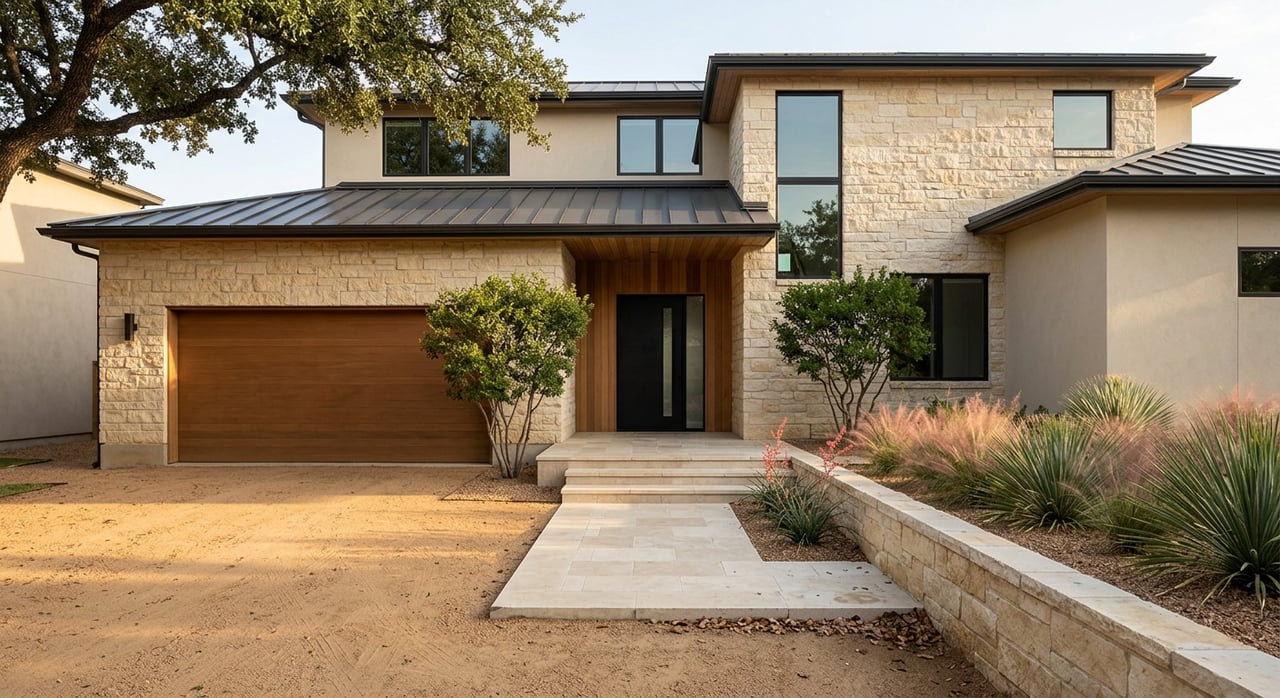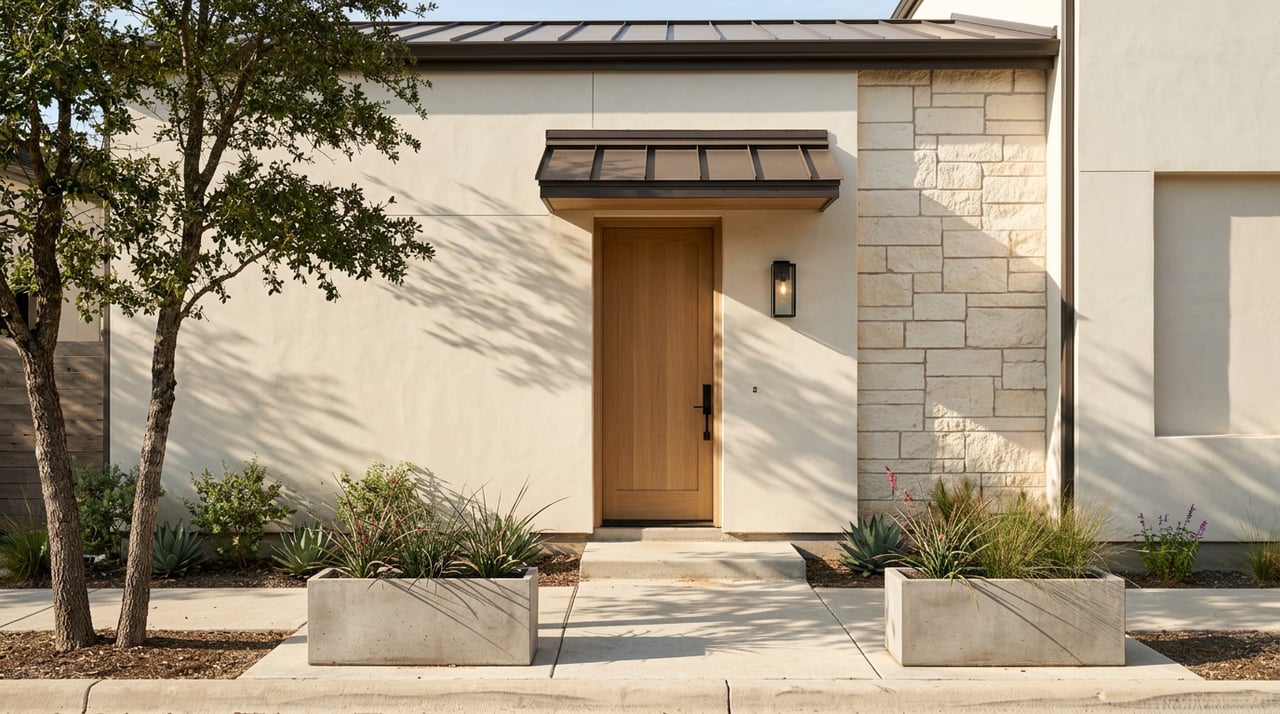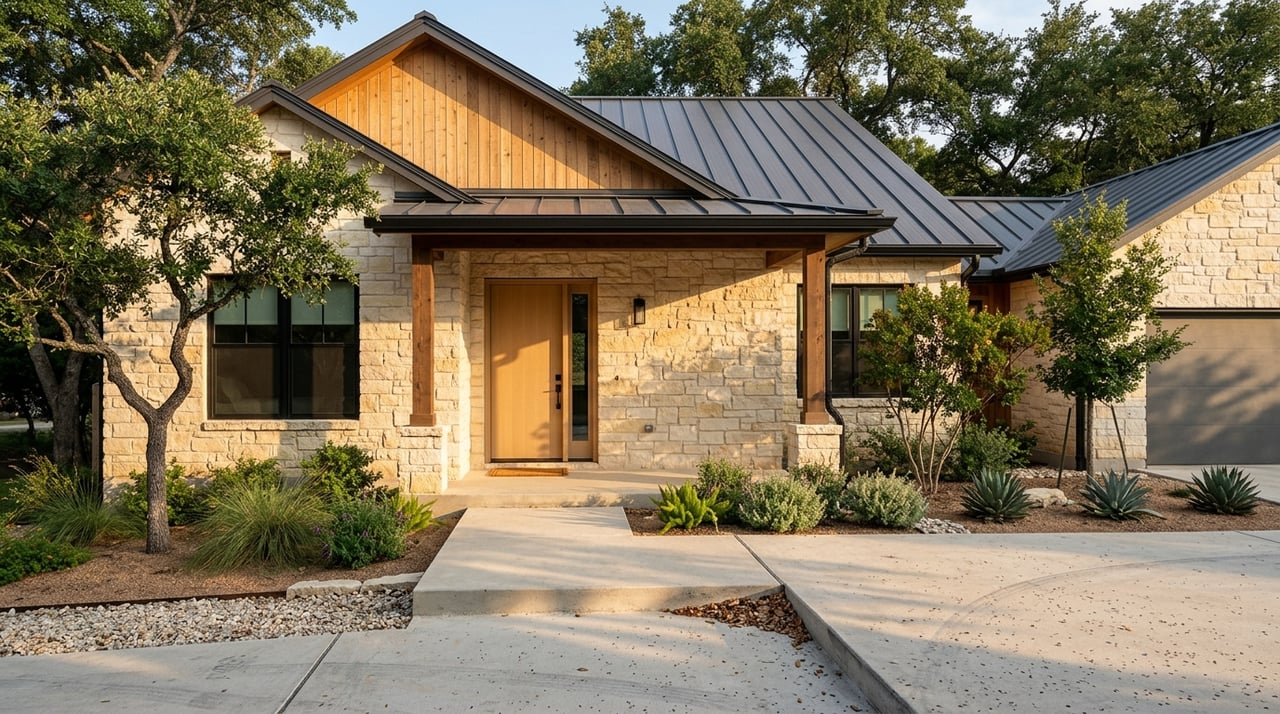
If you are wondering whether Dripping Springs feels like a true small town or more like an Austin suburb, the answer is a bit of both. You get Hill Country scenery, a strong local identity, and a community calendar that still feels personal, while staying close enough to Austin for work, errands, and entertainment. If you are trying to picture your day-to-day life here, this guide will help you understand the pace, patterns, and tradeoffs that shape living in Dripping Springs. Let’s dive in.
Dripping Springs at a Glance
Dripping Springs describes itself as a fast-growing city in northern Hays County, west of Austin, with open spaces, friendly faces, and a small-town community feel. As of July 1, 2025, the U.S. Census Bureau estimate puts the population at 11,167, which helps explain why it can still feel relatively small even as growth continues.
That mix is a big part of the appeal. You are not moving into a dense urban setting, but you are also not cut off from the metro area. Everyday life tends to balance local routines with regional access.
Small-Town Feel, Austin Access
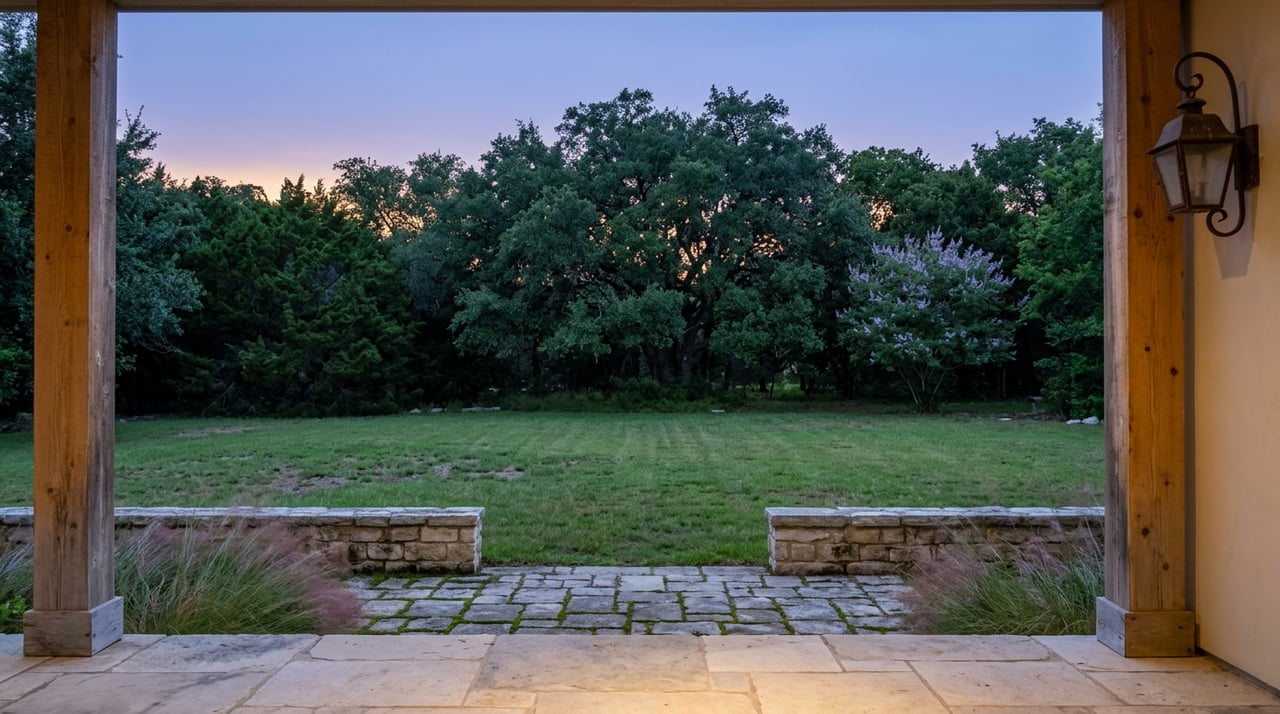
One of the first things many people notice about Dripping Springs is how strongly it holds onto its Hill Country identity. The city emphasizes open space and community character, which shows up in the way people talk about the area and how public spaces are planned.
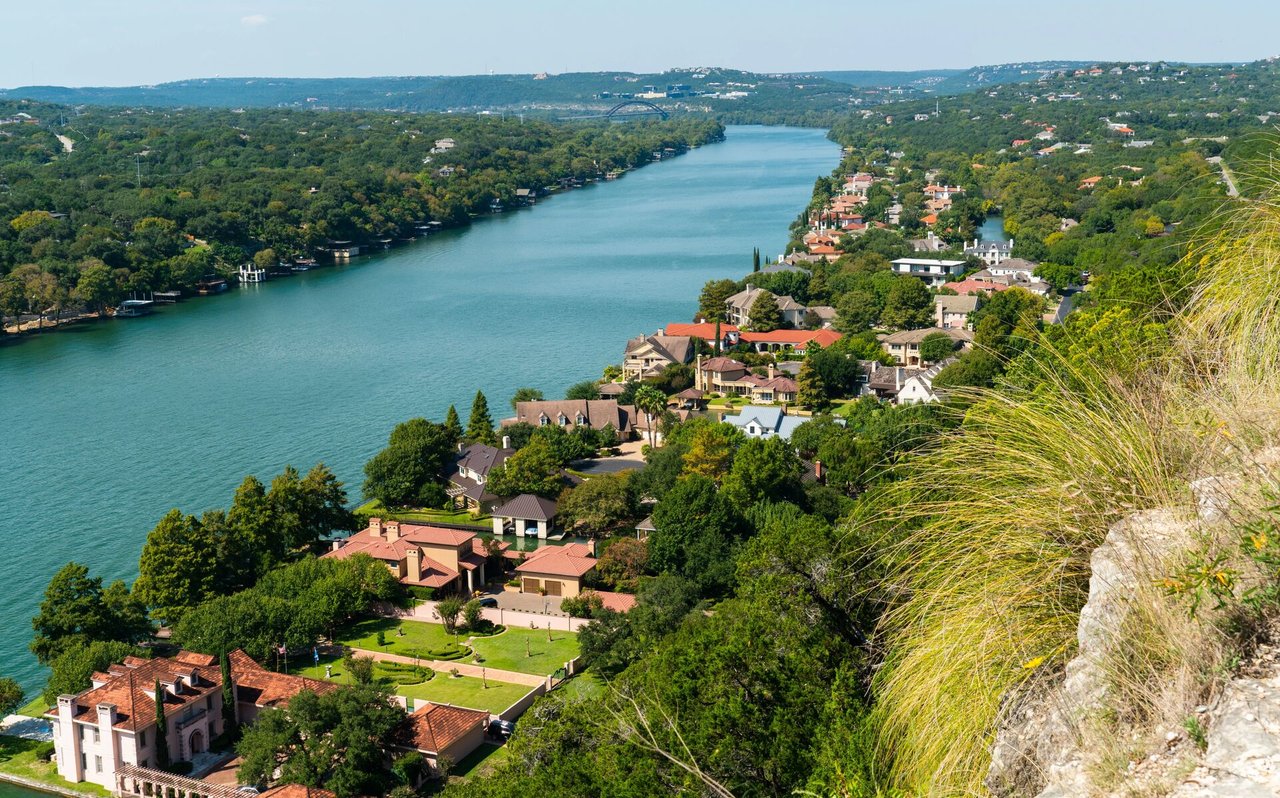
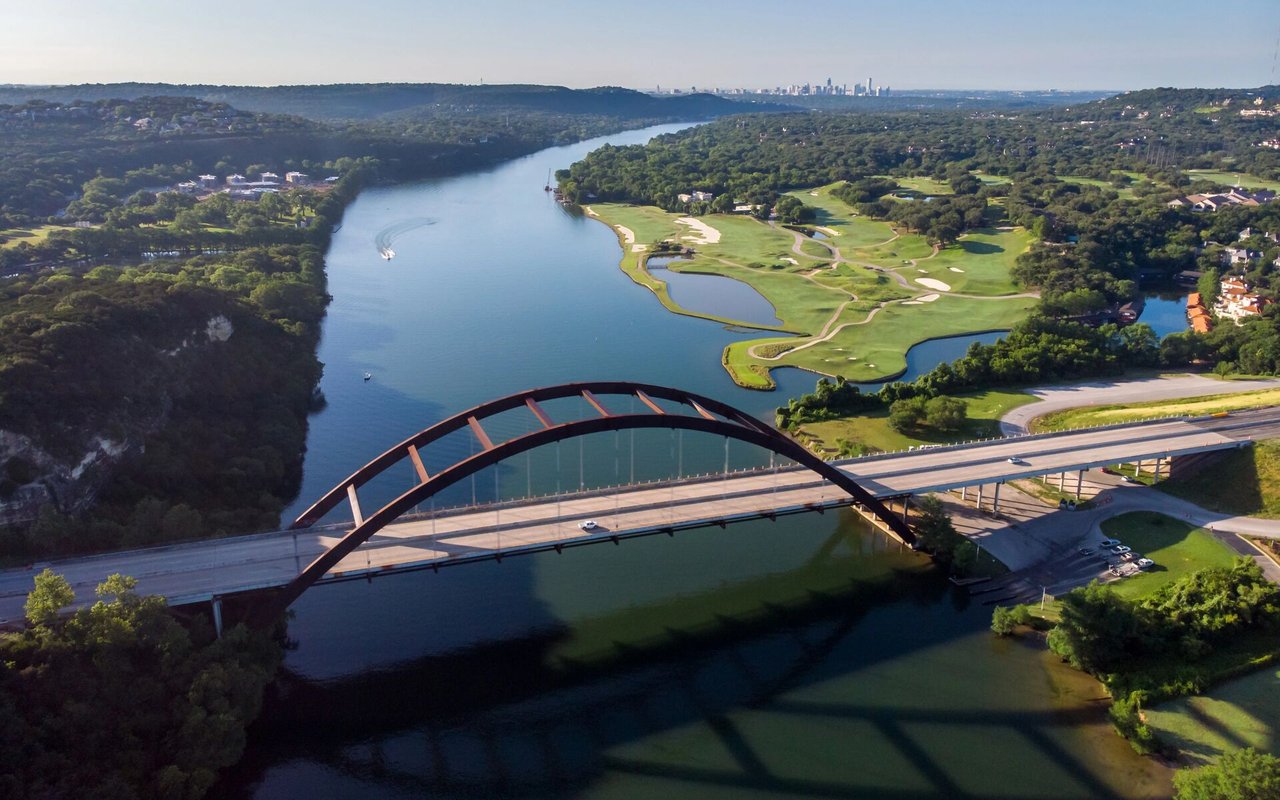
At the same time, Austin is still part of the picture. The city says Dripping Springs is about 25 minutes west of Austin, so for many residents, life here includes a regular back-and-forth between quieter home life and city-based work or activities.
That combination can be especially appealing if you want a little more breathing room without feeling too far removed. You may spend your mornings in a scenic setting and still have a practical route into the city when needed.
Daily Commuting in Dripping Springs
For many households, the daily rhythm is shaped by driving. Census travel data for 2020 through 2024 show a mean commute time of 27.4 minutes for workers age 16 and older, which gives a useful baseline for what getting around can look like.
Most commuting centers on US 290. According to TxDOT’s Oak Hill-to-Dripping Springs study, traffic in that corridor has increased by up to 50% since 2010, and the Dripping Springs segment is being planned for an upgrade from a four-lane undivided highway to a six-lane divided highway with bike and pedestrian accommodations.
In practical terms, that means your drive may feel manageable on some days and slower during peak periods. If you are considering a move here, it helps to think realistically about how often you need to be in Austin and what your schedule looks like during busier traffic windows.
What the commute feels like
Dripping Springs is still largely car-oriented. Your routine will likely include school drop-offs, grocery runs, social plans, and work trips that depend on the main corridor.
The upside is straightforward access. The tradeoff is that congestion relief and mobility are still active local priorities, so traffic patterns and corridor improvements remain part of the everyday conversation.
Social Life Is Casual and Outdoorsy
The social side of Dripping Springs feels relaxed, local, and often outdoors. The local visitors bureau highlights live music, restaurants and cafes, beer and wine, wineries, breweries, distilleries, and food trucks, which gives a pretty accurate picture of how many people spend their free time here.
Rather than a dense downtown nightlife scene, you are more likely to find gathering spots with patios, open-air seating, tasting rooms, and weekend events. That creates a social rhythm that feels easygoing and very Hill Country.
Places that shape the vibe
Several current local spots show this pattern clearly:
- Bell Springs Winery & Brewery is listed as a winery, brewery, food, live-music, pet-friendly, outdoor-patio spot with kid-friendly options.
- Ghost Note Brewing sits on five acres and offers an open-air taproom, live music most weekends, food trucks, and local wine and cider.
- Treaty Oak Distilling describes a 27-acre ranch with a brewery, distillery, tasting room, food trucks, a cocktail house, a play area, and live music.
- Dripping Springs Distilling includes a Thursday through Sunday tasting room, craft cocktails, a scratch kitchen, and patio seating.
Closer to downtown, the food scene stays more casual and local than urban or high-density. Official listings include Acopon Brewing on Mercer Street, Homespun Kitchen and Bar, Le Muse Coffee and Wine Bar, El Rey Bar & Grill, and Grand Slam Pizza.
Community Events Anchor the Calendar
A big part of everyday life in Dripping Springs is the event calendar. The city calls the Dripping Springs Farmers Market its signature weekly event, and it takes place every Wednesday at The Pound House Farmstead at Founders Memorial Park.
That kind of weekly routine can make a place feel connected in a very practical way. It gives you a recurring reason to get out, see familiar faces, and stay plugged into what is happening locally.
The city’s other major recurring events are Founders Day Festival in April and Christmas on Mercer in December. Founders Day is described by the city as the largest annual community event, which says a lot about how much community traditions still matter here.
Parks, Trails, and Outdoor Time
If you like to spend time outside, Dripping Springs offers a lot of room to do that. The city says it manages 571.29 acres of parkland serving about 25,000 residents in Dripping Springs and the ETJ.
That is not just a nice talking point. It shapes everyday life by giving residents more options for walks, play, sports, and quiet time outside.
Parks you are likely to use
Founders Memorial Park, located off Ranch Road 12 North, includes colorful playscapes, a large outdoor pool, football fields, and the Katherine Cannon walking trail. The city also notes that the park is connected to adjacent neighborhoods by sidewalks, which adds to its day-to-day usability.
Dripping Springs Ranch Park is a 130-acre city park with 6.2 miles of multi-use trails, an equestrian facility, wildlife preservation, and open space. Charro Ranch Park offers a more nature-focused trail experience and includes a bird blind.
For bigger weekend outings, Pedernales Falls State Park adds hiking, mountain biking, camping, birding, horseback riding, paddling, and swimming or wading. It is about 30 miles west of Austin, making it a realistic option for a day trip when you want more than a neighborhood park.
Dark Skies Change the Mood
Dripping Springs says it was the first city in Texas to be designated an International Dark Sky Community. That may sound like a small detail at first, but it adds a real quality-of-life dimension to the area.
In many fast-growing places, nights can feel washed out by light and development. In Dripping Springs, the dark-sky identity helps reinforce a more open, less crowded atmosphere, and the city has even reflected that in its public art through the Stars of Dripping Springs project.
If you value a quieter evening feel, this can be one of those everyday qualities that stands out more after you move than before. It is not just about stargazing. It is also about the overall mood of the place after sunset.
What Different Areas Tend to Feel Like
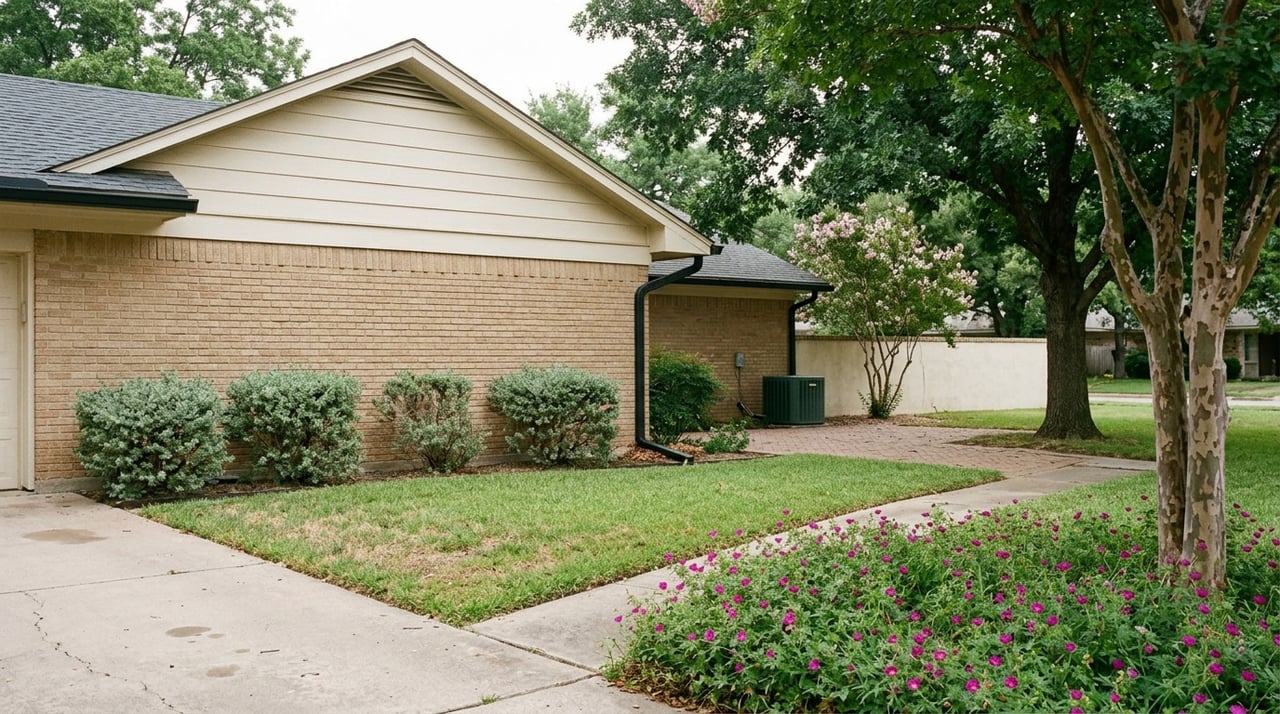
Dripping Springs does not fit into one single neighborhood style. Based on city maps, historic district materials, and development planning, it makes more sense to think about the area in a few broad living patterns.
The city’s historic-preservation materials identify Mercer Street, Old Fitzhugh Road, and Hays Street as historic district areas. The development manual also notes that most recent growth has been in residential land uses and subdivisions within the city limits and ETJ, while downtown planning materials point to preserving a walkable historic town center.
Three broad housing-area patterns
Here is a simple way to picture the area:
| Area pattern | What it tends to feel like |
|---|---|
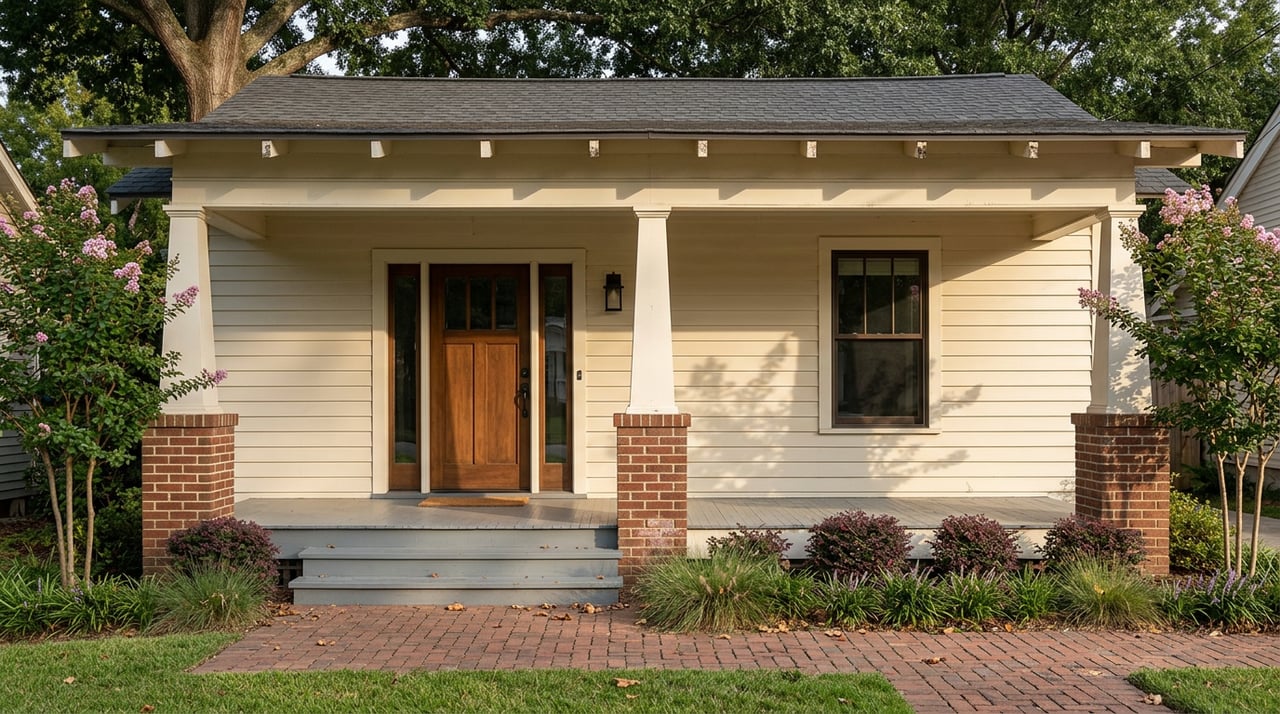
| Historic core near Mercer Street | More walkable, established, and tied to the town center |
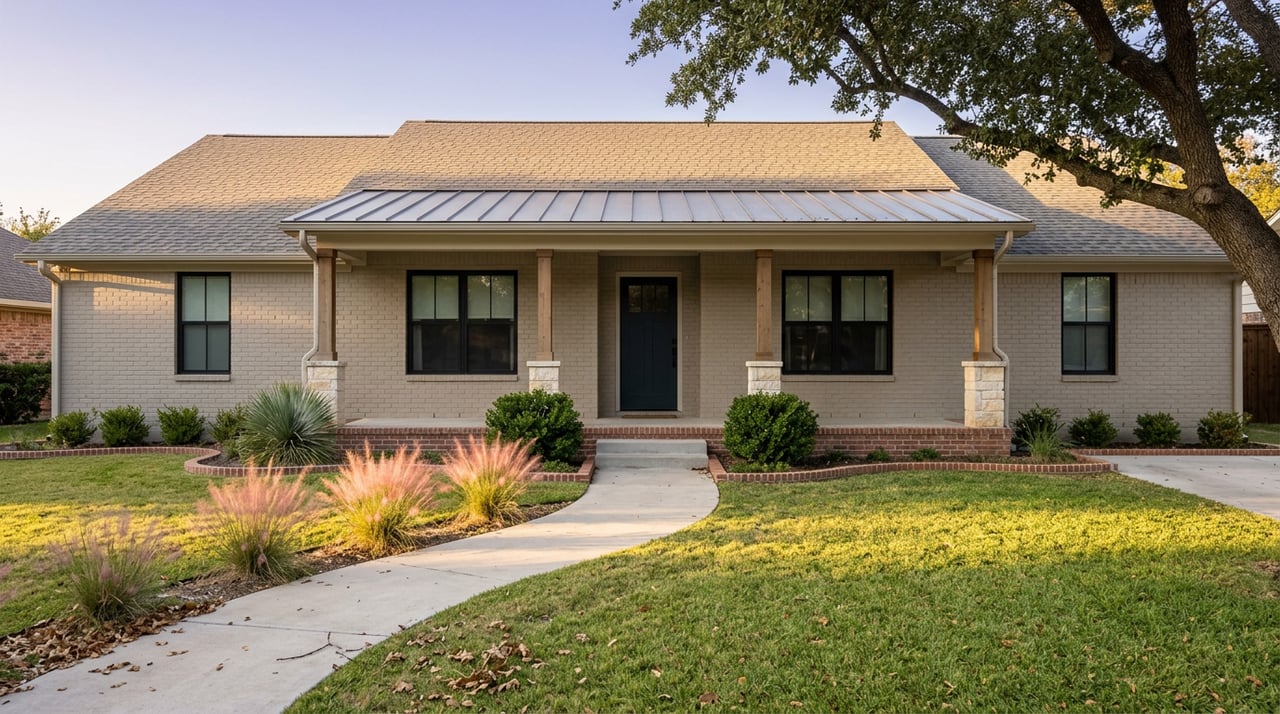
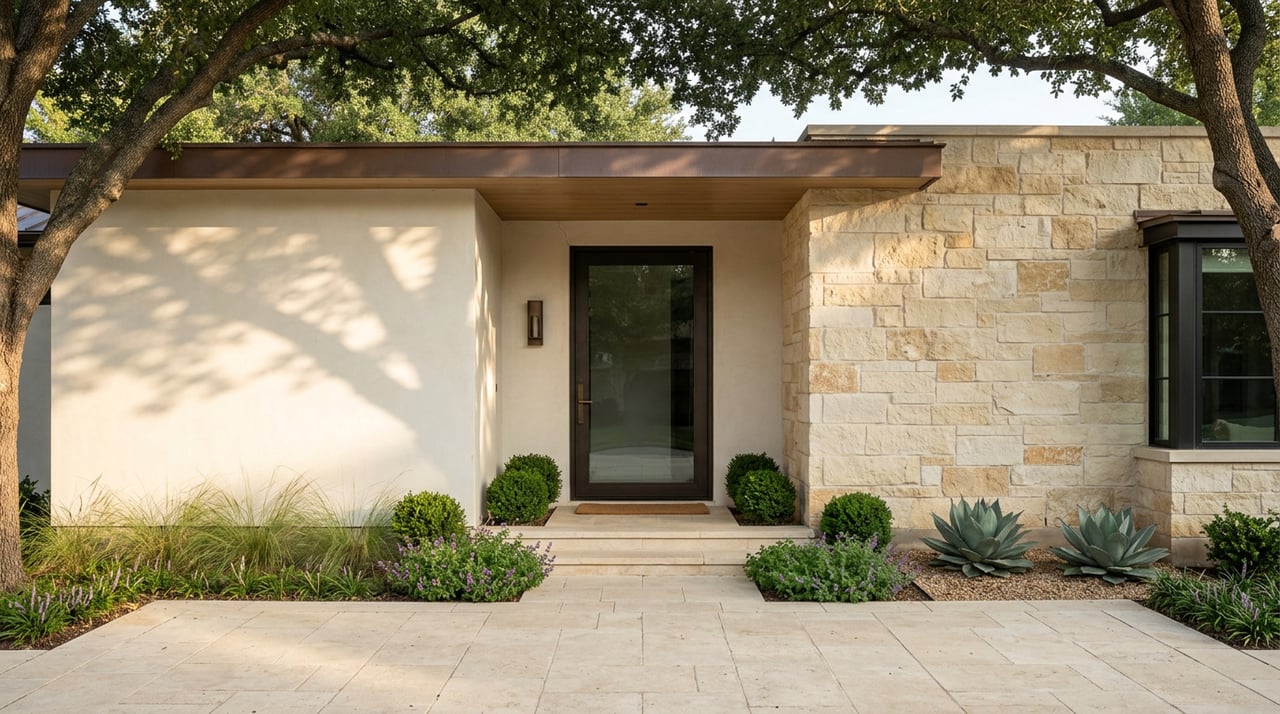
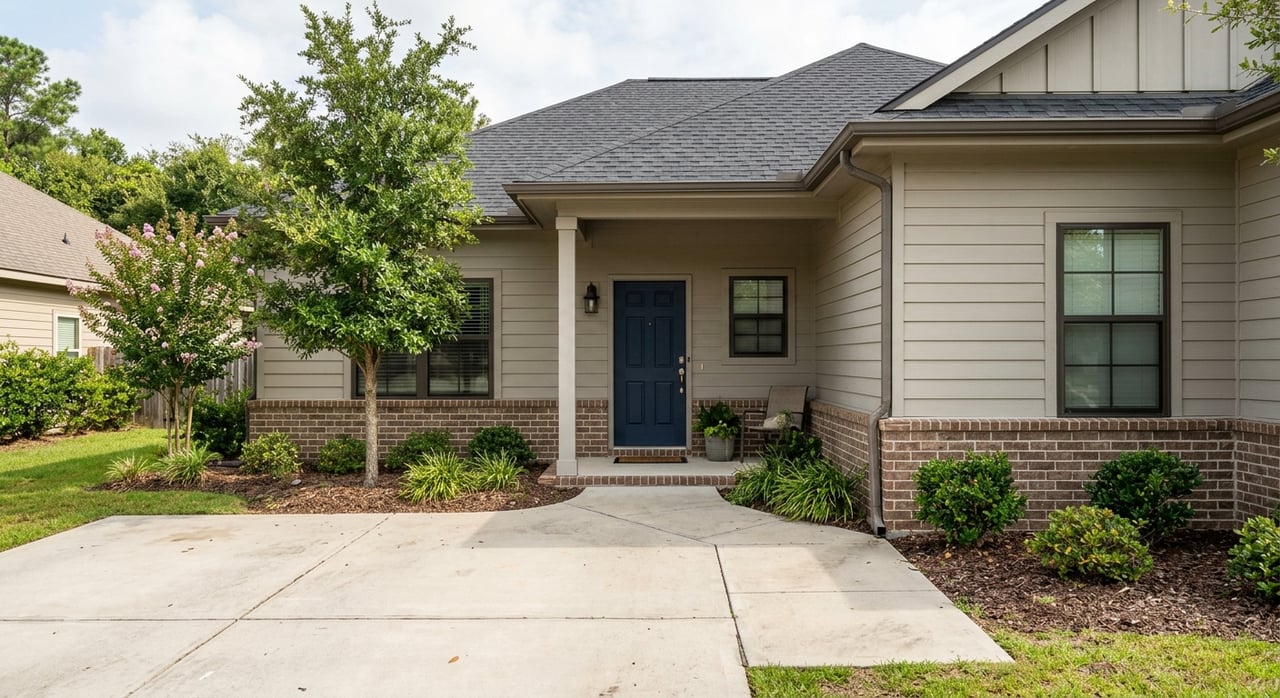
| Newer growth areas | Residential subdivisions and growth-oriented development patterns |
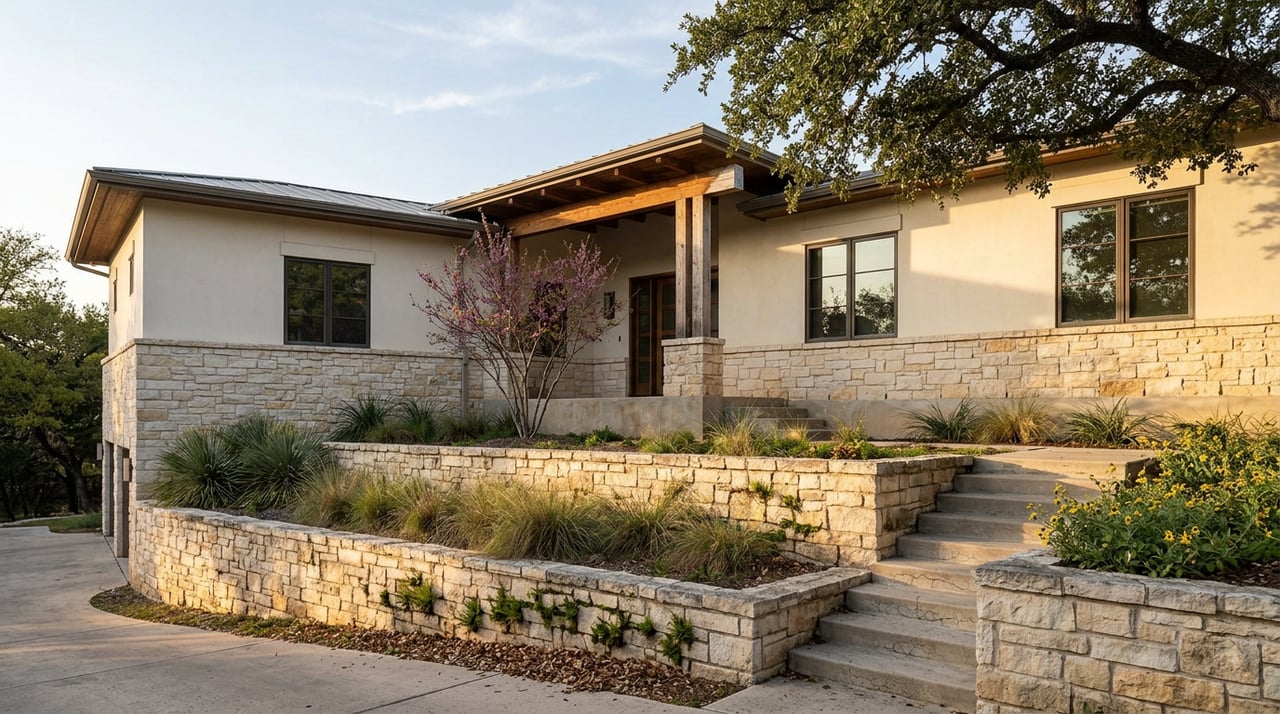
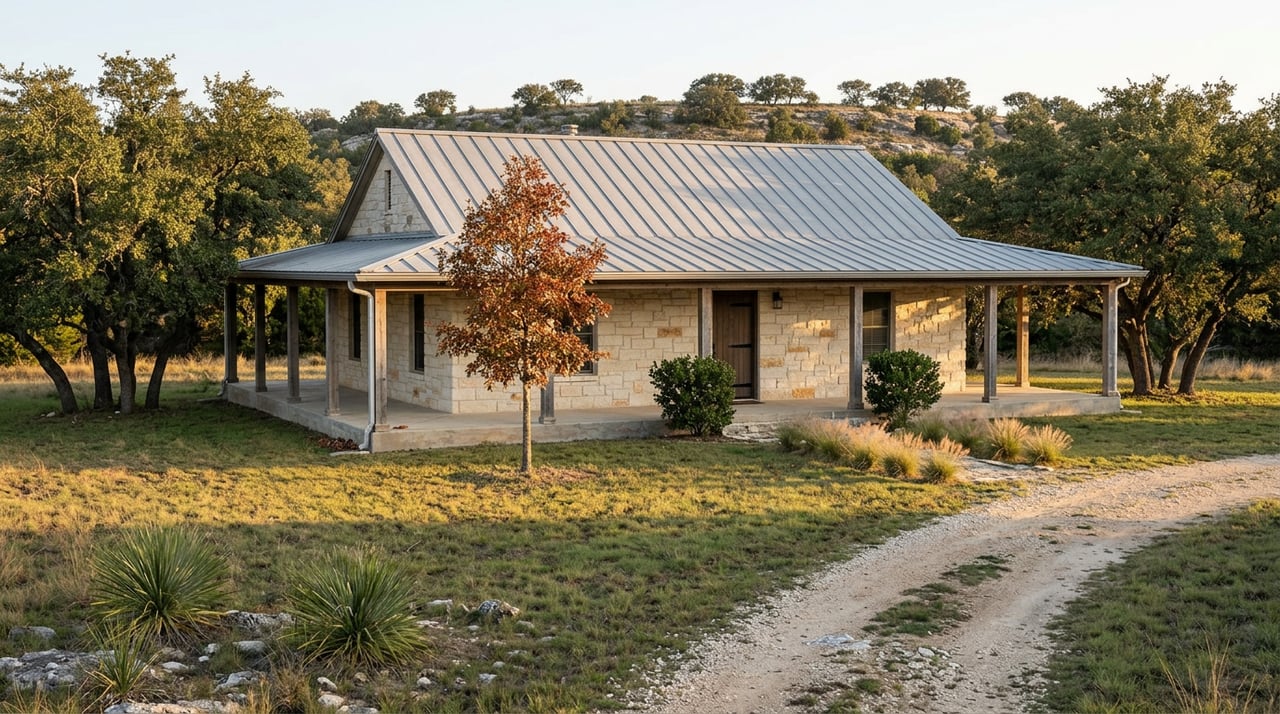
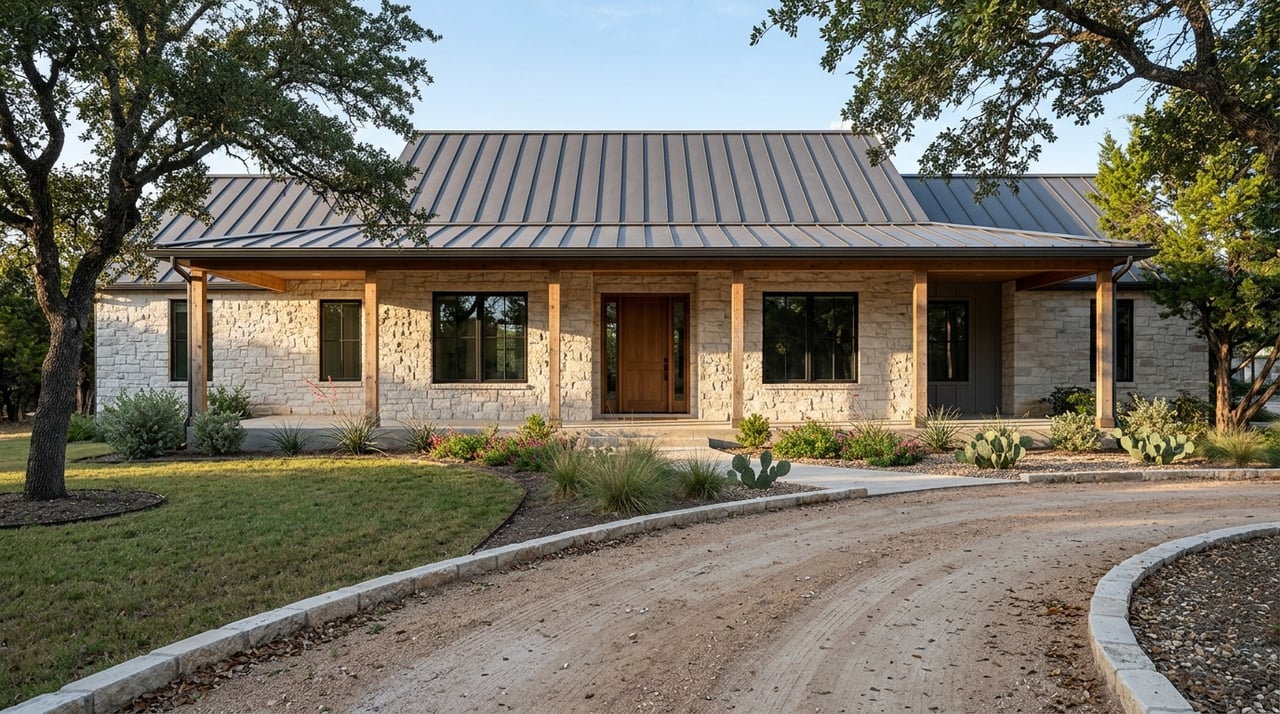
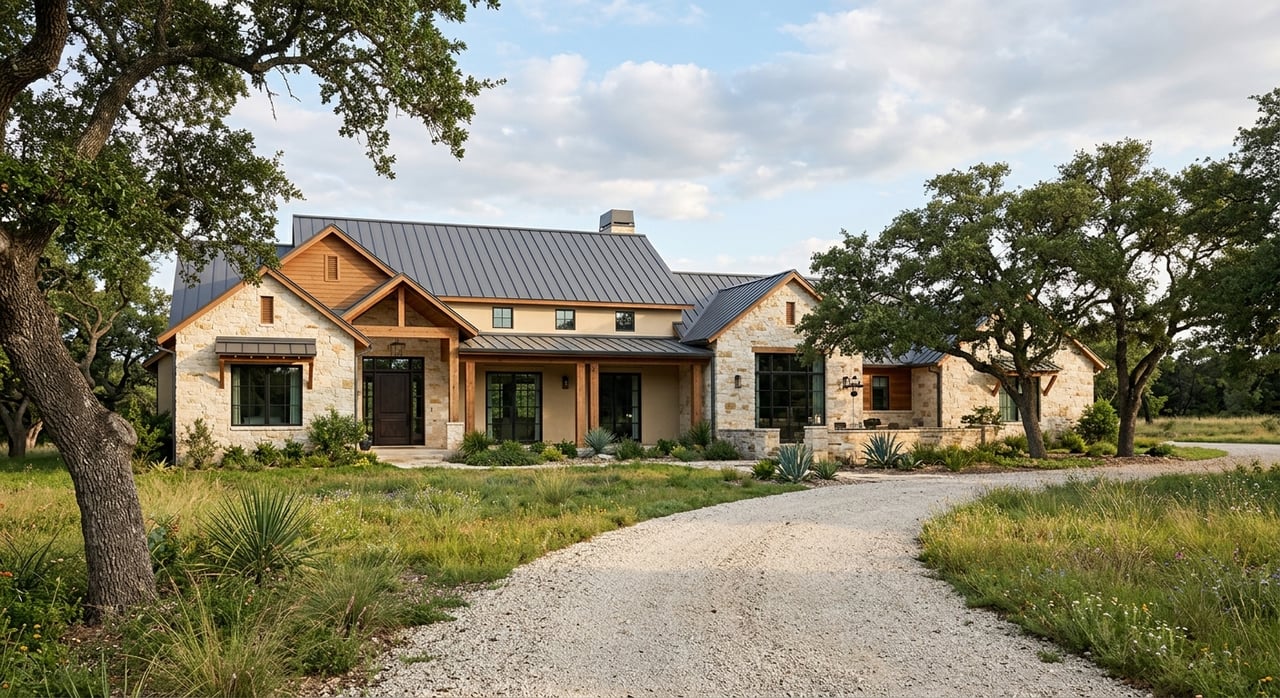
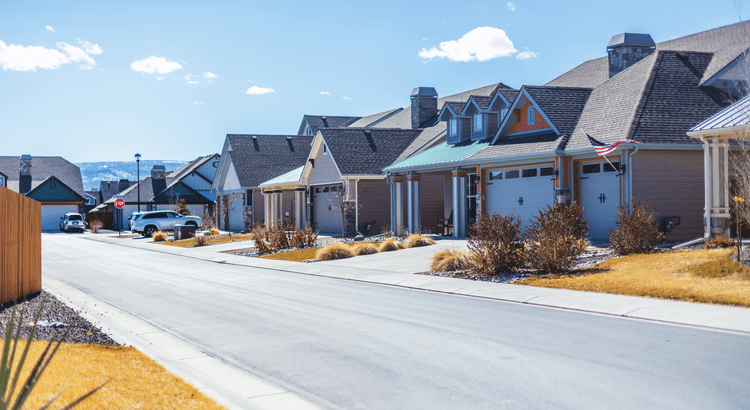
| Rural Hill Country properties | More land, more separation, and a quieter country feel farther from town |
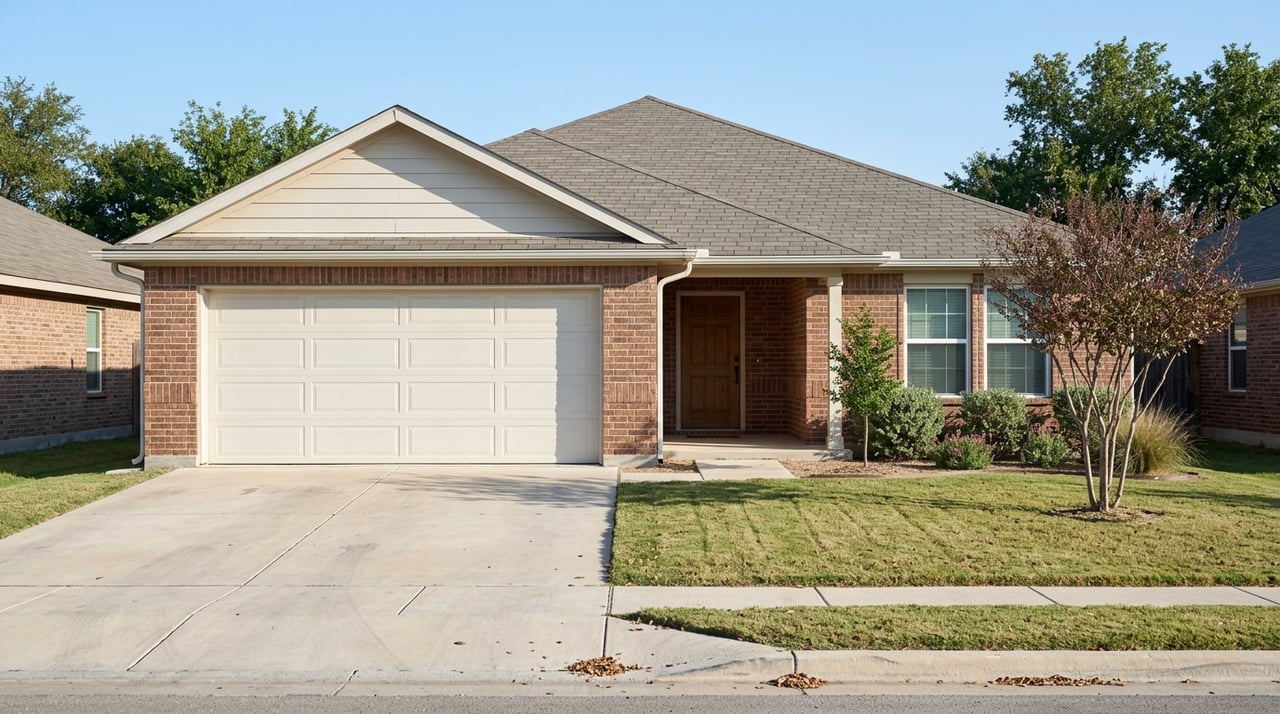
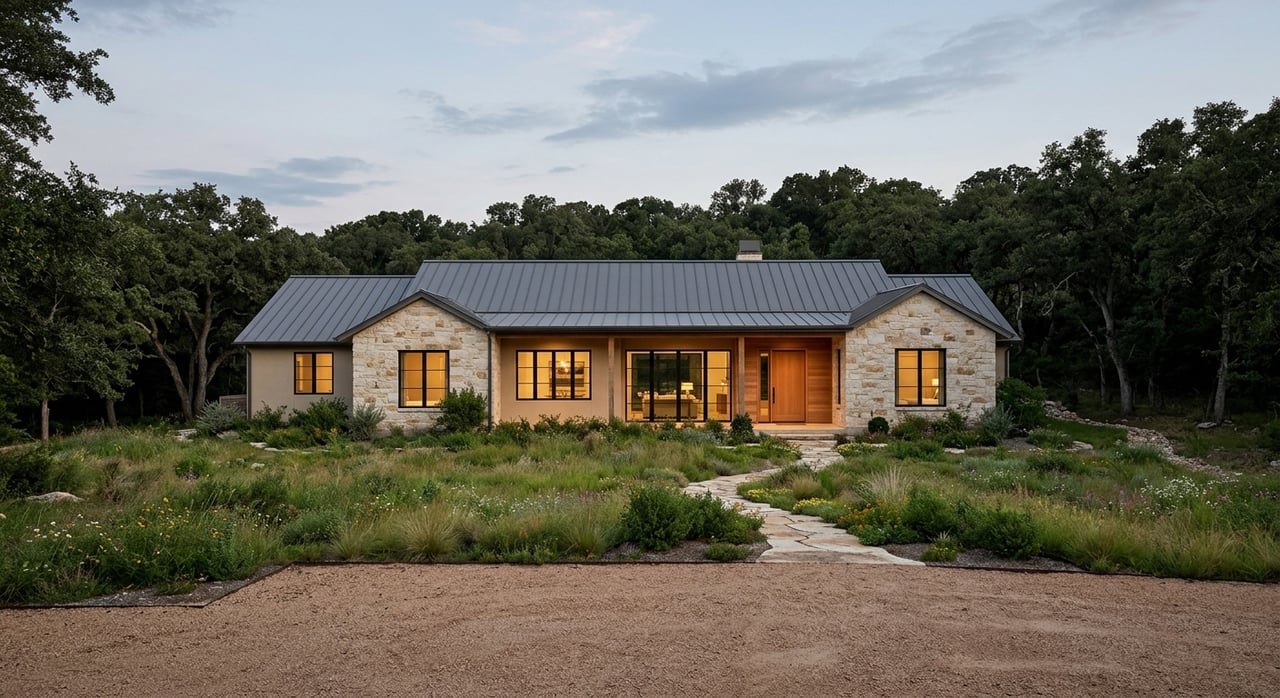
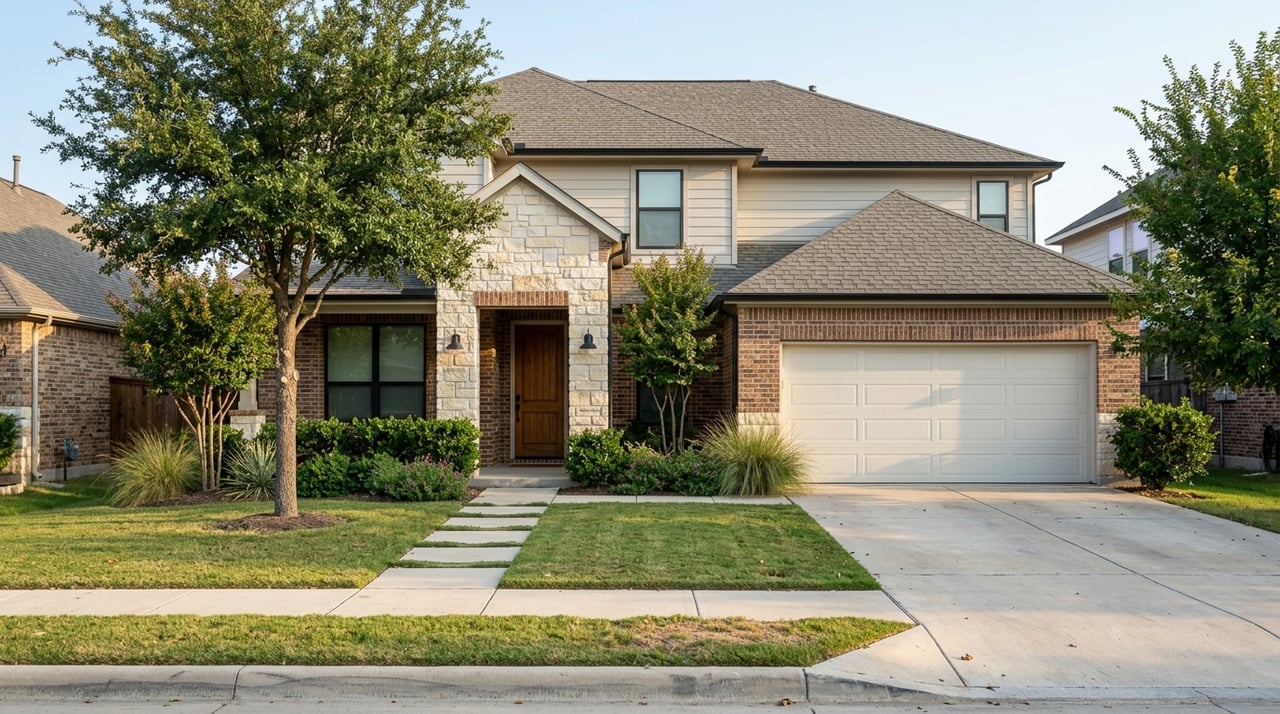
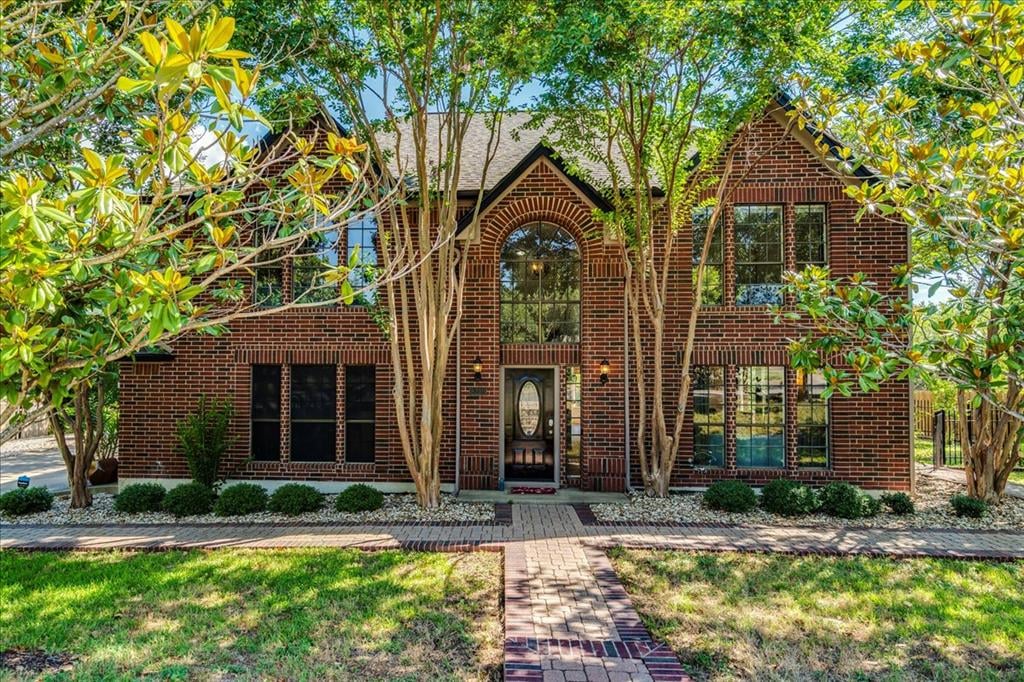
That range is part of why Dripping Springs appeals to different kinds of buyers. You may be looking for proximity to downtown, a more traditional subdivision setup, or a property with extra space and a stronger Hill Country feel.
So, What Does Everyday Life Really Feel Like?
For many people, life in Dripping Springs feels like a steady blend of practicality and lifestyle. You may start the day with coffee close to home, drive US 290 for work or errands, and end the day with a park walk, patio dinner, or live music nearby.
On weekends, the rhythm often shifts toward farmers markets, trails, tasting rooms, and seasonal events. The town does not feel frozen in time, because growth is real, but it also does not lose the sense that local places and shared routines still matter.
That is really the core of Dripping Springs. It offers a small-city scale, Hill Country setting, and community-centered lifestyle, with Austin still close enough to stay part of your routine.
If you are trying to decide whether Dripping Springs fits the way you want to live, it helps to look beyond price and square footage. The bigger question is whether this balance of open space, local energy, and commuter access feels right for your everyday life.
If you want help thinking through neighborhoods, commute tradeoffs, or the kind of property that fits your goals in Dripping Springs, Matt Prewett is here to offer clear, low-pressure guidance.
FAQs
What is everyday life like in Dripping Springs, Texas?
- Everyday life in Dripping Springs often blends small-town community feel, Hill Country scenery, car-based commuting, outdoor recreation, and a casual social scene built around patios, local restaurants, tasting rooms, and events.
How far is Dripping Springs from Austin for daily commuting?
- The city says Dripping Springs is about 25 minutes west of Austin, and Census travel data show a mean commute time of 27.4 minutes for workers age 16 and older in 2020 through 2024.
What kind of traffic should you expect in Dripping Springs?
- Much of daily traffic centers on US 290, and TxDOT says traffic in the Oak Hill-to-Dripping Springs corridor has increased by up to 50% since 2010, so peak-hour slowdowns are an important part of the local routine.
What are the main things to do in Dripping Springs on weekends?
- Many residents spend weekends enjoying parks and trails, the Wednesday farmers market, live music, restaurants, breweries, wineries, distilleries, and seasonal events like Founders Day Festival and Christmas on Mercer.
What types of housing areas are common in Dripping Springs?
- Broadly, Dripping Springs includes a walkable historic core near Mercer Street, newer subdivision areas tied to recent growth, and more rural Hill Country properties farther from town.
Why is Dripping Springs known for dark skies?
- Dripping Springs says it was the first city in Texas designated as an International Dark Sky Community, and that identity is part of the area’s overall character and evening atmosphere.